
Your Ultimate Guide to Baby-Led Weaning: Nurturing Independent Eaters
Embarking on the journey of introducing solid foods to your baby is an exciting milestone. While traditional spoon-feeding has long been the norm, a growing number of parents are discovering the benefits of baby-led weaning (BLW). This innovative approach empowers your little one to take the reins, exploring food at their own pace and developing crucial skills along the way. If you’re curious about BLW and wondering where to start, this comprehensive guide is designed to provide you with all the insights, tips, and confidence you need to begin this incredible adventure with your baby.
What Exactly is Baby-Led Weaning?
Baby-led weaning is a hands-off, baby-driven method of introducing solid foods, where infants are offered appropriately sized and textured finger foods from the very beginning, rather than being spoon-fed purees. The core principle revolves around giving the baby complete control over what and how much they eat from the food presented to them. This method bypasses the puree stage entirely, allowing babies to self-feed from around six months of age.
While gaining significant popularity in recent years, particularly in the UK before making its way globally, baby-led weaning is not a new concept. It harks back to a more intuitive way of feeding babies that prioritizes their natural developmental cues. The beauty of BLW lies in its focus on self-regulation; babies are trusted to listen to their own hunger and fullness signals, consuming what their bodies need. This amazing approach not only fosters a positive relationship with food but also supports a wide array of developmental milestones.
Before diving into this method myself, I remember feeling a mix of excitement and apprehension. I’d heard about it from fellow mom friends and even our pediatrician, but the practicalities of where to begin felt overwhelming. My hope is that if you find yourself in a similar position, this guide will serve as a clear, supportive resource. Please, don’t hesitate to engage; this is a safe space for all your questions and for sharing your experiences!

At its heart, baby-led weaning is defined as: a method of introducing solid food into a baby’s diet by allowing them to feed themselves versus being spoon-fed.
It’s crucial to remember that for babies under one year, breast milk or formula remains their primary source of nutrition. Solid foods introduced through BLW are complementary, providing opportunities for exploration, skill development, and taste discovery. This method is an exceptional way to develop oral motor control, fine motor skills, and hand-eye coordination right from the start. In my humble opinion, it’s one of the most practical and beneficial advancements in infant feeding!
The Abundant Benefits of Choosing Baby-Led Weaning
Most babies are ready to begin baby-led weaning around six months of age. The benefits associated with this method are extensive and impactful, contributing positively to various aspects of a baby’s development:
- Enhanced Motor Development: BLW naturally encourages the development of fine motor skills, hand-eye coordination, and dexterity as babies practice grasping, manipulating, and bringing food to their mouths. This self-directed activity strengthens their pincer grasp and overall control.
- Promoting Healthy Eating Habits: By allowing babies to explore a wide variety of tastes and textures from the outset, BLW can foster adventurous eating and a reduced likelihood of picky eating habits later on. They learn about food’s natural forms, colors, and smells.
- Encouraging Self-Regulation and Intuitive Eating: This method teaches babies to recognize their own hunger and fullness cues. They learn to self-regulate their food intake, which can lead to a healthier relationship with food and a lower risk of obesity in later life.
- Cost-Effectiveness and Convenience: Say goodbye to buying countless jars of purees and baby food pouches! With BLW, babies eat modified versions of family meals, making grocery shopping simpler and reducing food waste. This can be a significant cost saving for families.
- Involving Baby in Family Mealtimes: BLW allows babies to join in family meals from the start, observing and mimicking their parents and siblings. This social interaction is vital for their development and makes mealtimes a more inclusive and enjoyable experience for everyone.
- Speech and Oral Development: Chewing and moving food around the mouth strengthens the muscles necessary for speech development. The diverse textures encountered in BLW can also help babies learn to manage different consistencies, which is beneficial for their oral motor skills.
That being said, vigilance regarding choking hazards is paramount when you begin. Babies have a very sensitive gag reflex, which is often confused with choking. Gagging is a natural protective mechanism where food is pushed forward out of the mouth, typically accompanied by coughing and noise. It passes once the baby becomes accustomed to solid foods and learns to manage different textures.
Is Your Baby Ready for Baby-Led Weaning? Key Readiness Signs
Patience is key; there’s no need to rush into baby-led weaning. The ideal time to start is when your baby shows multiple signs of readiness, usually around six months of age. Always consult with your pediatrician to get the green light before introducing solids. Here are the essential guidelines and developmental milestones to consider:
- Sitting Unassisted: Your baby should be able to sit upright independently in a high chair with minimal or no support. This ensures they can maintain a stable position while eating, significantly reducing the risk of choking.
- Bringing Hands and Objects to Mouth: This indicates developing hand-eye coordination and the ability to self-feed. If your baby enjoys putting toys or their hands in their mouth, they’re likely ready to do the same with food.
- Strong Head and Neck Control: Your baby must have excellent control over their head and neck to keep their airway open and manage food safely.
- Loss of Tongue-Thrust Reflex: This reflex, which pushes food out of the mouth, must diminish or disappear. If a baby still has a strong tongue-thrust reflex, they’ll struggle to keep food in their mouth.
- Developing a Pincer Grasp (later on): While not strictly necessary at the very beginning (as they’ll use a palmar grasp), the ability to pick up small objects with their thumb and forefinger will develop shortly after starting BLW and is crucial for handling smaller pieces of food.
- Showing Interest in Food: Your baby might watch you eat, reach for your food, or even open their mouth when you bring food to yours. This curiosity is a strong indicator of readiness.
It’s crucial that your baby always eats in an upright position, never leaning backward or reclined. Furthermore, always supervise your baby closely during meals; NEVER leave them alone while they are eating. Understanding the difference between gagging and choking is vital for your peace of mind and your baby’s safety. Numerous studies have shown there is no difference in choking frequency between babies who are offered purees and those who follow baby-led weaning, provided appropriate foods are offered and safety guidelines are followed.
Before you fully commit, ensure your baby exhibits these signs and has pediatrician approval. Practice sitting with your baby, and most importantly, make mealtimes a shared, enjoyable experience by eating with your baby.
Essential Safety First: Gagging vs. Choking in BLW
One of the most common concerns for parents considering baby-led weaning is the risk of choking. It’s imperative to understand the distinction between gagging and choking, as they are very different and often confused.
- Gagging: This is a normal, protective reflex that occurs when food touches the back of the tongue or roof of the mouth. Your baby might cough, sputter, or make retching noises. Their face may turn red, and they might even look a little distressed. However, during gagging, your baby is still able to breathe and is actively working to move the food forward in their mouth. The gag reflex in babies is quite forward in their mouth and moves further back as they gain experience with solids. It’s messy and can be alarming, but it’s a sign your baby is learning to manage food.
- Choking: This is silent and much more dangerous. If a baby is choking, their airway is blocked, and they cannot breathe, cough, or make noise. Signs of choking include a silent struggle, inability to cry or cough, blue lips or face, or a panicked look. If your baby is choking, immediate intervention is required.
While the fear of choking is real, studies consistently show that there is no increased risk of choking with baby-led weaning compared to traditional spoon-feeding, provided parents follow safety guidelines regarding food preparation and supervision. To minimize risks:
- Always ensure your baby is sitting upright in a high chair. Never feed a baby who is reclined, lying down, or in a car seat.
- Always supervise your baby closely during meals. Never leave a baby unattended with food.
- Ensure you and any primary caregivers are trained in infant first aid and CPR. Knowing how to respond in an emergency provides invaluable peace of mind.
- Offer appropriately sized and textured foods that are easy for baby to grasp and gum.
Do Babies Need Teeth for Baby-Led Weaning?
A common misconception is that babies need teeth to start baby-led weaning. The answer is a resounding NO! Babies don’t need teeth because they don’t chew with their front teeth; they use their strong gums to mash and break down food. Our molars, which are designed for grinding, typically don’t emerge until a child is between 2 to 3 years old. A baby’s gums are surprisingly effective at mashing soft foods.
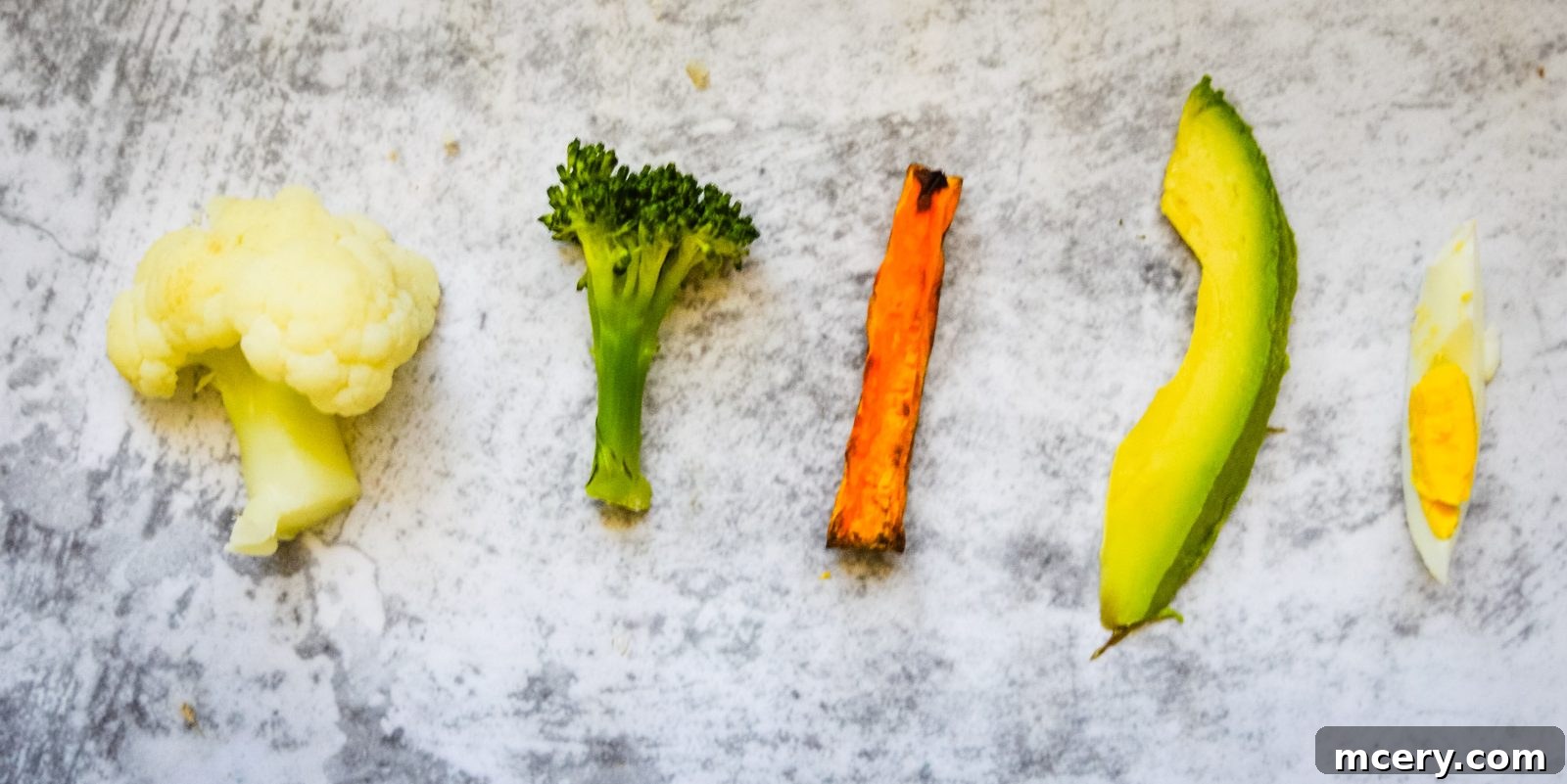
The key is to offer foods that are soft enough to be easily squashed between your own thumb and forefinger. Great first foods include ripe banana, soft avocado, well-steamed broccoli florets (soft stems), or baked/steamed sweet potato. Foods should be substantial and cut into finger-length strips or crinkle-cut shapes. This makes them easy for your baby to grasp in their fist, with a portion sticking out for them to munch on.
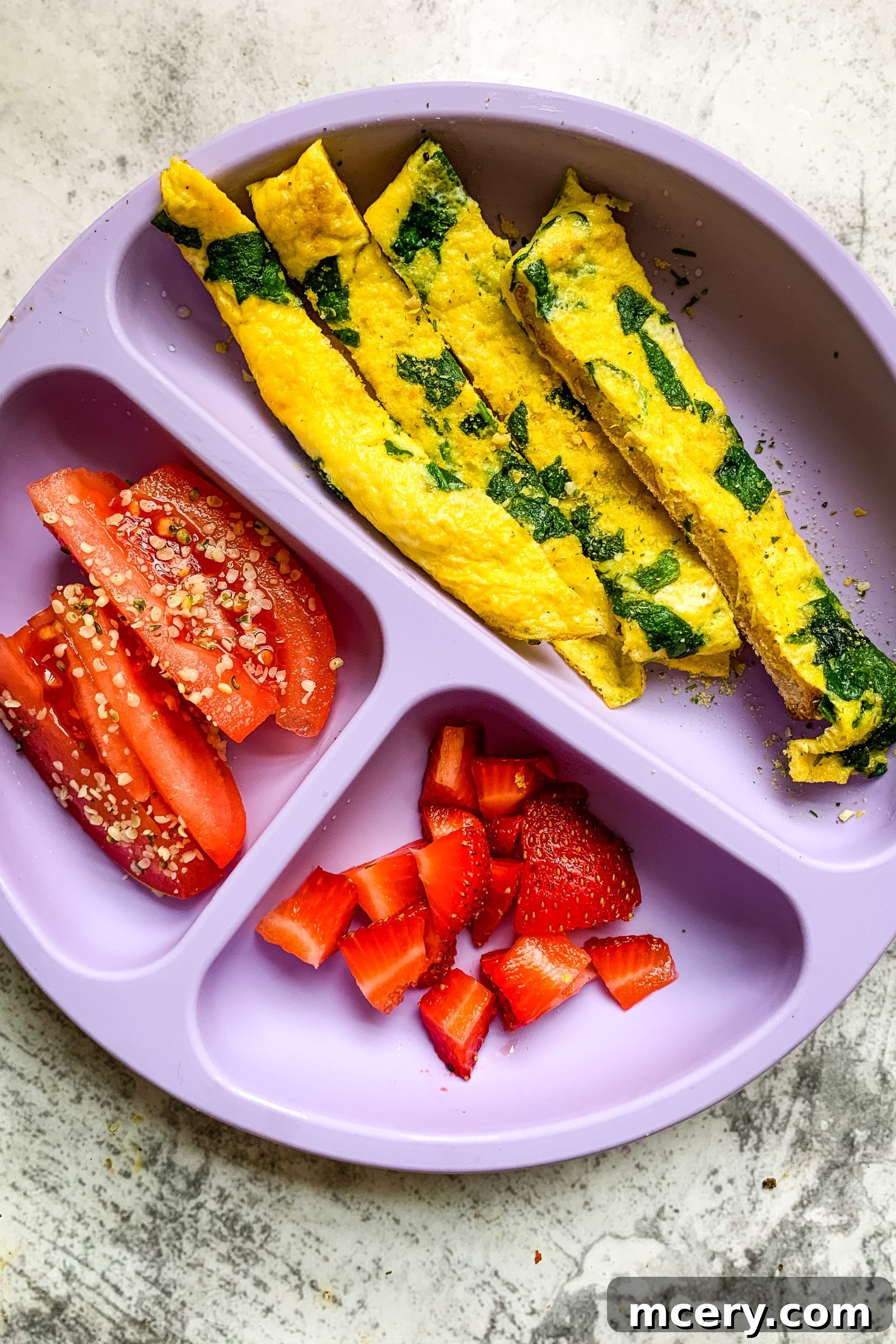
Top First Foods for Baby-Led Weaning & Preparation Tips
When selecting first foods for baby-led weaning, think “figure-shaped” or stick-like. Foods should be easy for your baby to grab with their whole hand (palmar grasp) and long enough to protrude from their fist, allowing them to bring it to their mouth. Always start simple and focus on nutrient-dense, iron-rich foods, as iron stores begin to deplete around six months of age.
Ideal First Foods:
- Soft Fruits: Ripe banana (peeled and cut into halves or thirds), soft avocado (cut into thick strips), steamed apple or pear slices (softened until mushy but still hold shape). For small, round fruits like blueberries, smash them between your fingers before serving to reduce choking risk.
- Cooked Vegetables: Well-steamed broccoli florets (soft stems), sweet potato or carrot sticks (baked or steamed until very soft), zucchini or cucumber spears (peeled if desired). All vegetables should be cooked until they are tender enough to be easily squashed.
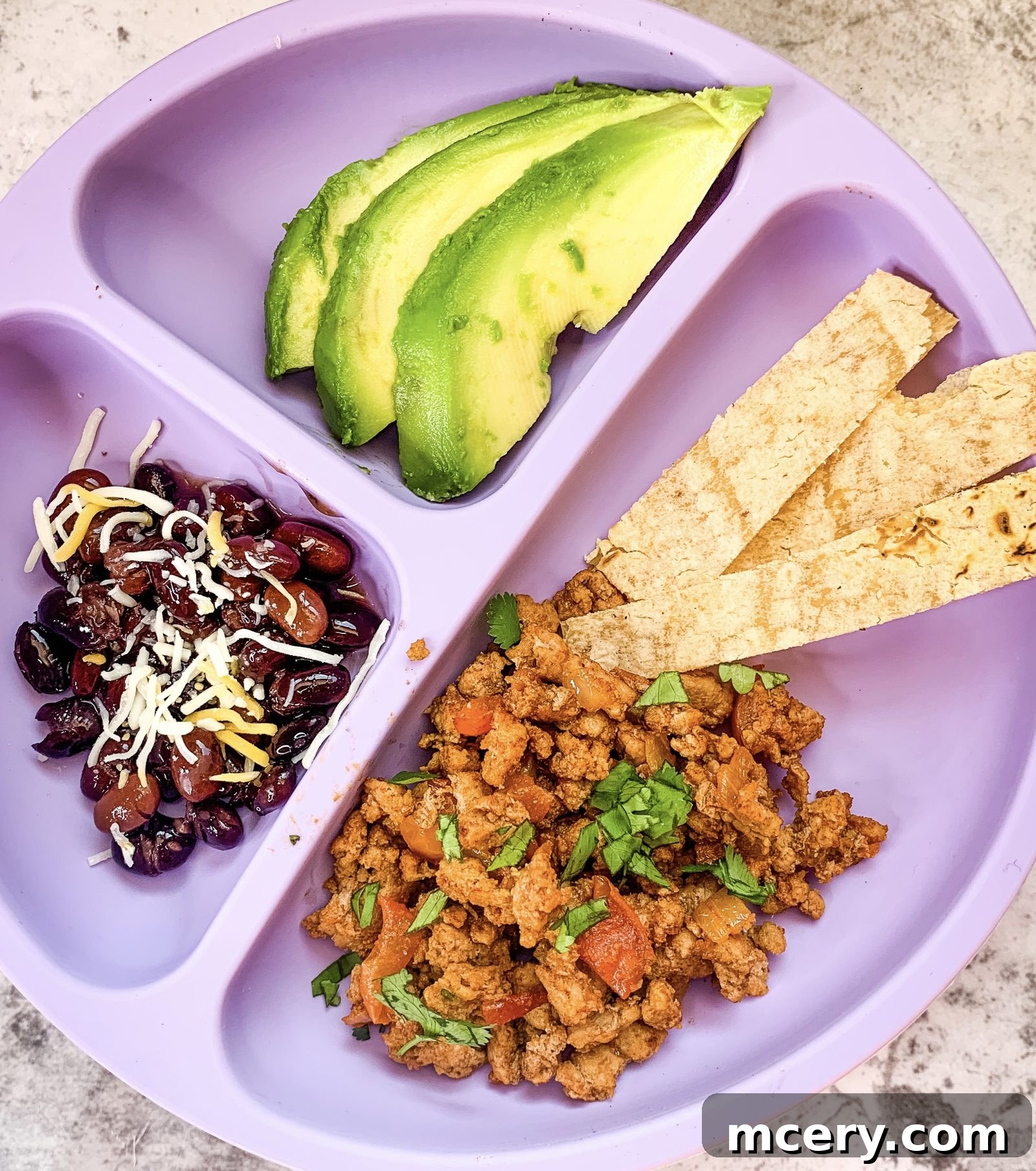
- Proteins: Shredded chicken or chicken thighs (tender and moist), hard-boiled eggs (cut into quarters or thick strips), soft strips of lean beef or pork. These are excellent sources of iron and zinc.
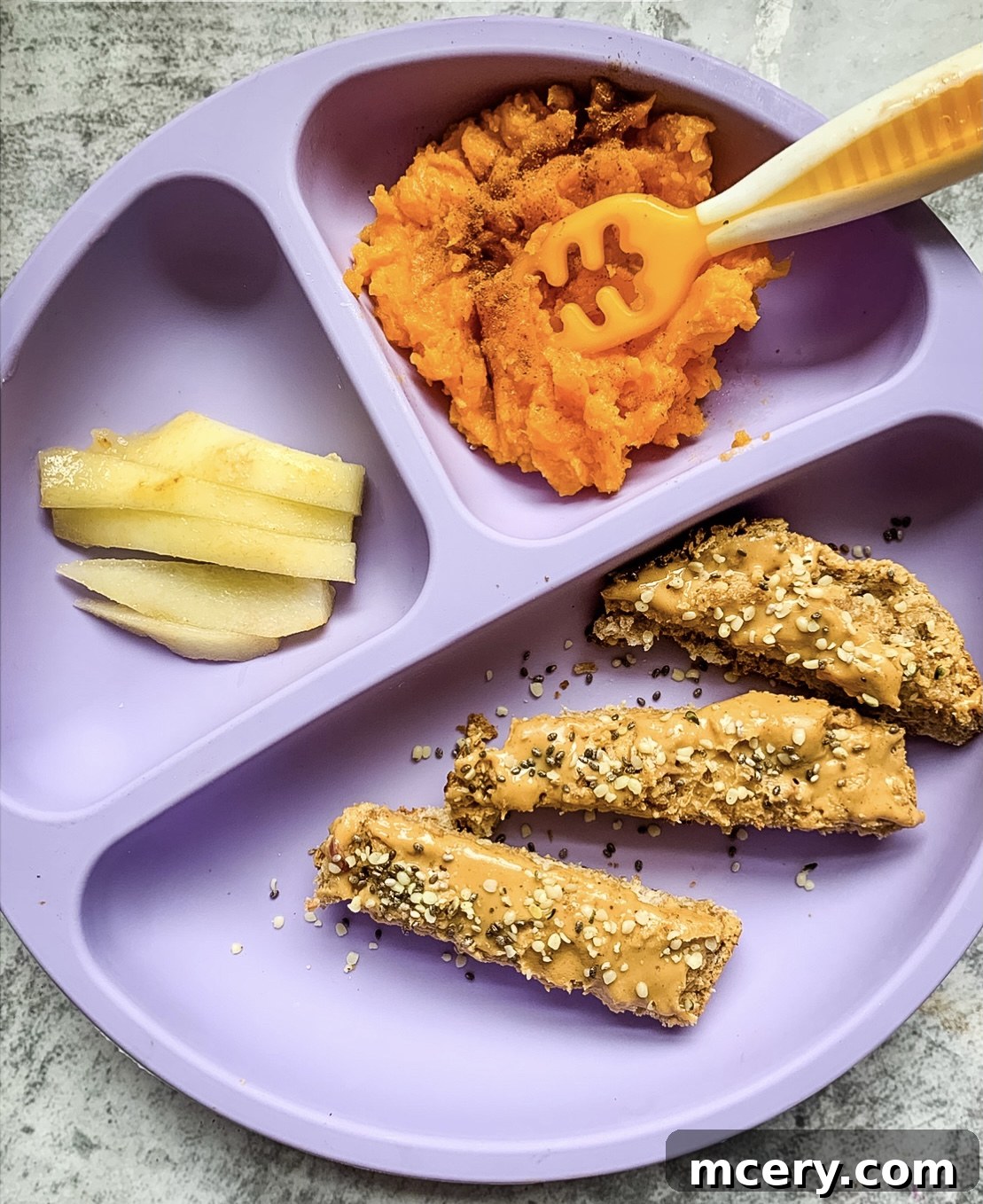
- Grains: Soft-cooked pasta shapes, toast strips (lightly toasted to prevent crumbling) with a thin spread of unsweetened nut butter (check for allergens), iron-fortified baby cereal mixed thick enough to form a “log” that baby can grasp.
Preparation is Key:
- Texture: Foods should be soft enough to be mashed between your gums but firm enough for your baby to grasp.
- Shape: For younger babies, offer foods in sticks or spears about the length and width of your finger. As their pincer grasp develops (typically around 8-9 months), you can introduce smaller, pea-sized pieces.
- Avoid Salt and Sugar: Always prepare foods without added salt or sugar. Babies’ kidneys are not fully developed to handle excess sodium, and sugar offers no nutritional value.
- Whole Foods Focus: Prioritize whole, unprocessed foods. This means fresh fruits, vegetables, lean proteins, and whole grains.
Expect messiness! Baby-led weaning is a fantastic sensory experience. Your baby will want to play with the food, squish it, and explore its textures. This is a crucial part of their learning process. They may not eat much initially, and that’s perfectly normal; they are learning about food, developing skills, and primarily relying on breastmilk or formula for nutrition at this stage. At six months, typically one meal a day is sufficient, gradually increasing as they get older.
Remember to offer sips of water in an open cup with meals from six months onwards. This aids digestion and helps babies learn to drink from a cup.
Introducing Allergenic Foods Safely in BLW
Current research suggests that waiting longer to introduce common allergenic foods may actually increase a child’s risk of developing a food allergy. Instead, the recommendation is to introduce common allergens early and consistently, provided there are no existing severe allergies or strong family history that dictates otherwise. Always consult with your pediatrician before introducing allergenic foods, especially if your child is considered high-risk for allergies.
When introducing allergenic foods, it’s best to do so one at a time, spaced out over a few days. This way, if a reaction occurs, it’s easier to identify the culprit. Start with a very small amount, ideally at home where you can observe your baby for any signs of an allergic reaction. Reintroduce the food regularly (e.g., once or twice a week) to help maintain tolerance.
Common Allergenic Foods to Introduce:
- Peanuts: Introduce as a thin smear of smooth peanut butter on toast, or mixed into yogurt or baby cereal. Avoid whole peanuts or chunks of peanut butter, which are choking hazards.
- Tree Nuts: Similar to peanuts, offer as a thin spread of smooth nut butter (e.g., almond butter, cashew butter) on food or mixed in. Avoid whole nuts.
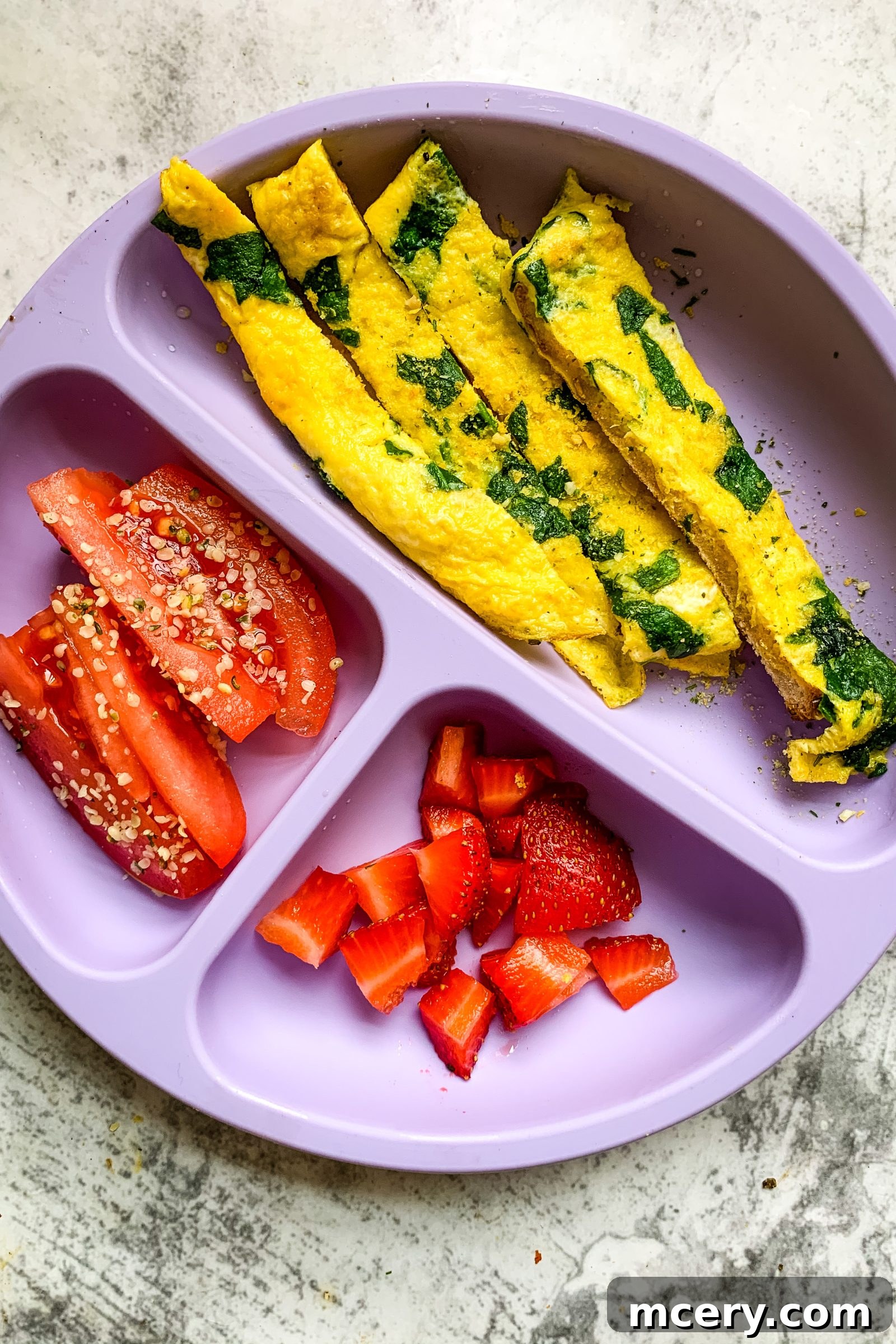
- Eggs: Hard-boiled, scrambled, or omelet strips are great. Ensure they are fully cooked.
- Dairy: Full-fat plain yogurt or cheese sticks (ensure low sodium). Cow’s milk should not be given as a primary drink until after 12 months.
- Wheat: Soft pasta, toast strips, or wheat-based cereals.
- Soy: Tofu (soft, cooked, cut into strips), or soy yogurt.
- Finned Fish: Cooked salmon, cod, or white fish, ensuring all bones are removed.
- Shellfish: Cooked shrimp or crab meat (chopped finely if introducing smaller pieces).
Be watchful for any signs of an allergic reaction, which can include hives, swelling (especially around the mouth or face), vomiting, diarrhea, difficulty breathing, or sudden pallor. If you observe any of these symptoms, seek immediate medical attention.
Practical Tips for a Smooth Baby-Led Weaning Journey
Embracing baby-led weaning is as much about the process as it is about the food. Here are some practical tips to help make your BLW journey smoother and more enjoyable:
- Patience and Flexibility: Some babies take to BLW instantly, while others need more time to explore and gain confidence. Be patient, offer a variety of foods, and trust your baby’s pace. Not every meal will be eaten, and that’s okay.
- The “Division of Responsibility” in Feeding: As the parent, your role is to offer appropriate, nutritious foods at regular intervals in a positive eating environment. Your baby’s role is to decide whether and how much to eat. This empowers babies and reduces mealtime struggles.
- Making Mealtimes Enjoyable: Sit with your baby and eat your own meal. Model positive eating behaviors. Keep mealtimes relaxed, fun, and free of pressure. Avoid distractions like screens.
- Foods to Avoid (Choking Hazards): Beyond allergens, strictly avoid common choking hazards for babies under one, including:
- Whole nuts and seeds
- Whole grapes, cherry tomatoes (cut into quarters)
- Hot dogs, sausages, large chunks of meat (slice thinly)
- Popcorn
- Hard candies, chewing gum
- Large blobs of sticky foods (e.g., thick peanut butter)
- Marshmallows
- Honey (for babies under 12 months due to botulism risk)
- Creating a Conducive Environment: Invest in a good high chair that allows your baby to sit upright with good foot support. A splat mat underneath can make cleanup much easier. Use baby-friendly plates and cutlery (though hands are often preferred!).
- Dealing with Food Refusal: It’s normal for babies to refuse certain foods or meals. Don’t force them. Simply remove the food without comment and offer it again another day. Exposure is key; it can take many attempts for a baby to accept a new food.
- Hydration: Offer small amounts of water in an open cup with meals. This helps with digestion and teaches valuable drinking skills.
Embracing the Baby-Led Weaning Adventure
Remember that every baby develops and learns to eat in their own unique way. Some will be quick to dive in, while others will take a more gradual approach. The most important thing is to stay positive, remain flexible, and always follow your baby’s lead. This journey is about exploration, discovery, and building a foundation for healthy eating habits and a positive relationship with food.
Give yourself and your baby grace throughout this messy, exciting, and ultimately rewarding process. You’re giving your little one a wonderful gift of independence and self-confidence!
For daily meal inspiration and baby-led weaning videos, be sure to follow along on TikTok: Click here!