
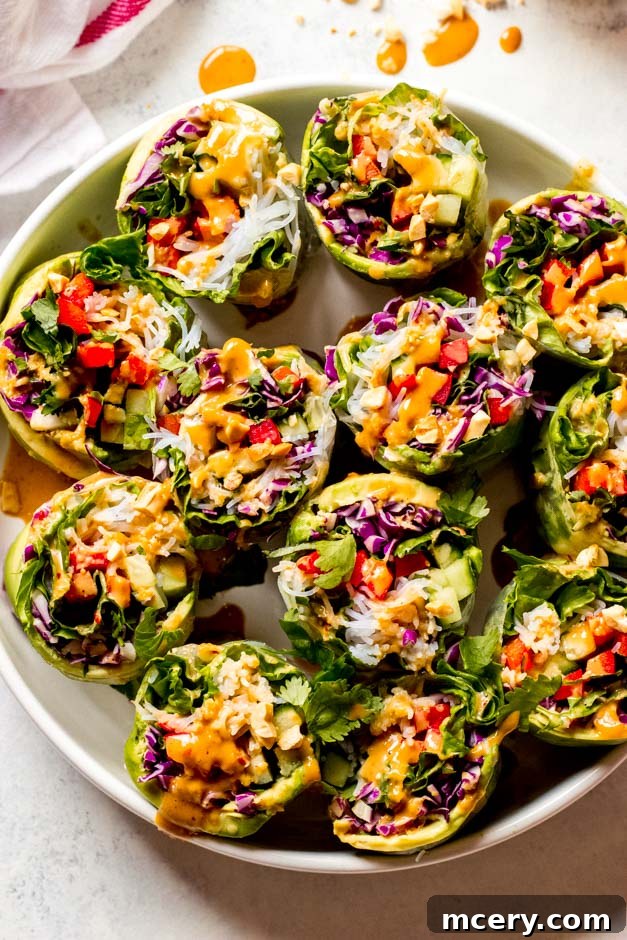
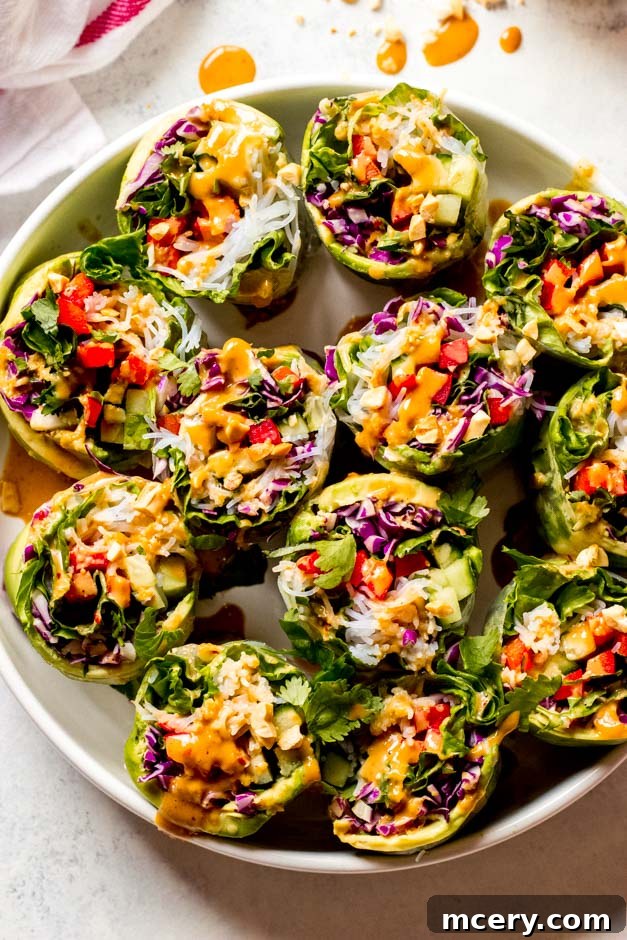
Light, fresh, and bursting with flavor, these vibrant veggie rice paper rolls are a delightful culinary experience that will quickly become a favorite in your home. Perfect for warm weather, they serve as an ideal refreshing lunch, a festive appetizer, or even a satisfying light dinner. Not only are they incredibly versatile, but they also provide a fantastic way to utilize any fresh produce lingering in your refrigerator, minimizing waste and maximizing deliciousness. Get ready to embark on a journey of fresh ingredients, crisp textures, and an irresistible dipping sauce that will transport your taste buds.
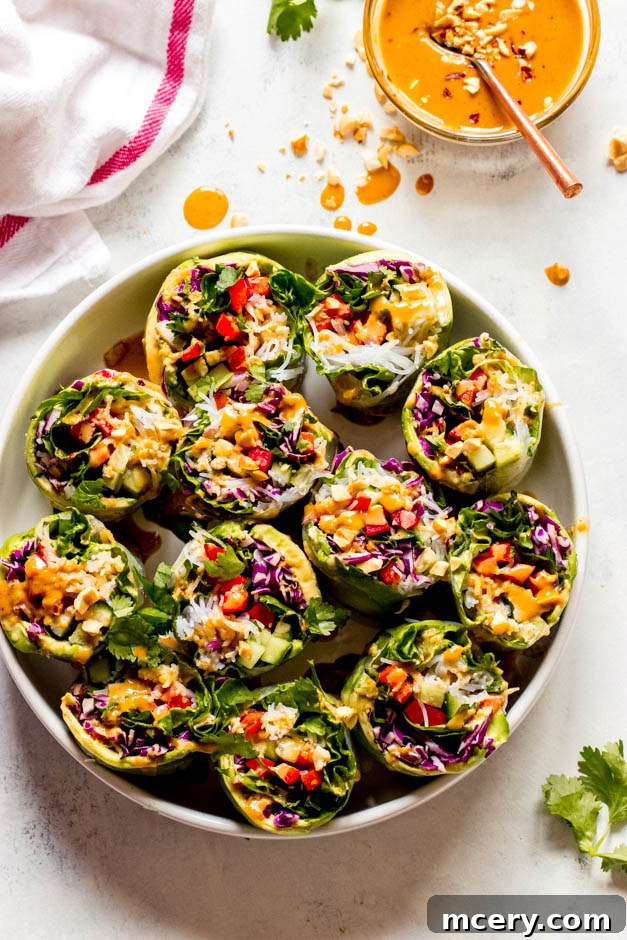
Veggie Rice Paper Rolls: The Perfect Fresh and Healthy Meal
Imagine a dish that’s as visually stunning as it is delicious – that’s exactly what these homemade veggie rice paper rolls deliver. Their vibrant colors and fresh ingredients make them a feast for the eyes, while their crisp textures and savory flavors make them incredibly satisfying. What’s more, they are surprisingly easy to prepare, making them a go-to option even for busy weeknights. The best part? You can endlessly customize the fillings to suit your taste or whatever seasonal vegetables you have on hand, ensuring you never get bored. Whether you prefer a mix of crunchy greens, sweet bell peppers, or creamy avocado, these rolls are your canvas for culinary creativity.
While many enjoy store-bought or restaurant versions of fresh spring rolls, this homemade recipe takes them to an entirely new level. Paired with our signature sweet and savory peanut dipping sauce, these rolls offer a taste experience that truly rivals, if not surpasses, your favorite takeout. Don’t just take our word for it; hear what our delighted readers are saying:
“These rolls are incredibly easy, delightfully fresh, and absolutely delicious. They look stunning on a serving plate, and the peanut sauce is genuinely tasty. Thank you for sharing this wonderful recipe!” – Beverly
“The homemade peanut sauce was a game-changer. This is a truly wonderful recipe – simple and straightforward to prepare!” – Reena
“These vegetable rice paper rolls are simply gorgeous, both in appearance and taste! I adore how vibrant, light, yet surprisingly filling they are. A huge thank you for this fantastic recipe!” – Julia
What to Put in Veggie Rolls: Essential Ingredients for Fresh Spring Rolls
Crafting the perfect veggie roll begins with selecting high-quality, fresh ingredients. The beauty of this recipe lies in its flexibility, allowing you to experiment with various vegetables. However, for a truly balanced and delightful experience, here are the core components we recommend. For precise measurements and quantities, please refer to the complete recipe card below.
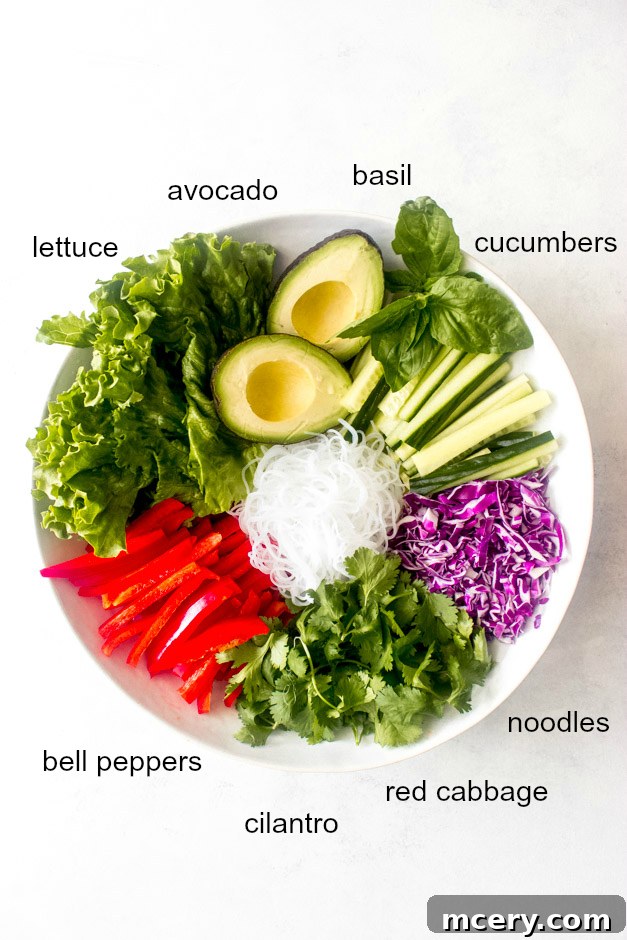
- Rice Noodles: These provide a delightful texture and substance to your rolls. We typically opt for thin white rice vermicelli noodles, which cook quickly and become wonderfully soft yet springy. If you prefer, brown rice vermicelli noodles work just as well and offer a slightly nuttier flavor. The key is to choose the super thin “vermicelli” style for easy rolling and an authentic feel.
- Spring Roll Wrappers (Rice Paper): These translucent, delicate wrappers are the foundation of your rolls, holding all the delicious fillings together. Made from rice flour, they become pliable when wet and are naturally gluten-free. You’ll typically find them in the Asian food aisle of your local grocery store or at Asian markets. Look for round or square sheets; both work beautifully.
- Avocados: Sliced avocado adds a luxurious creaminess and healthy fats, balancing the crispness of the other vegetables. Its subtle flavor complements the freshness of the herbs and the richness of the peanut sauce perfectly. Ensure your avocados are ripe but firm enough to slice easily.
- Crisp Vegetables: A vibrant mix of vegetables forms the heart of the filling. Our go-to combination includes:
- Green Leaf Lettuce: Provides a fresh, leafy base and a delicate crunch.
- English Cucumber: Julienned for long, refreshing strips that add a cool, crisp element. Its mild flavor pairs well with everything.
- Red Bell Peppers: Sliced into thin strips, they offer a touch of sweetness and a beautiful pop of color.
- Shredded Cabbage: Adds another layer of crunch and a slightly earthy flavor. Red cabbage is particularly striking for its color.
- Fresh Herbs: Don’t underestimate the power of fresh herbs to elevate these rolls.
- Fresh Cilantro: Contributes a bright, citrusy, and slightly peppery taste that is characteristic of many Asian dishes.
- Fresh Basil: Adds an aromatic, sweet, and slightly peppery note, enhancing the overall freshness of the rolls. Thai basil can also be a wonderful, more pungent alternative.
Are These Fresh Spring Rolls Gluten-Free?
A common question regarding fresh spring rolls is their gluten-free status, and we’re happy to confirm that this recipe is designed to be fully gluten-free! The primary components are naturally free from gluten, but a few considerations ensure you maintain this for all dietary needs.
Firstly, the rice paper wrappers are inherently gluten-free. Most brands are made from a simple blend of tapioca starch, rice flour, water, and salt. We personally use this brand, which clearly states its gluten-free composition, making it a safe choice for those avoiding gluten.
Secondly, the rice noodles themselves are also typically gluten-free, as they are derived from rice. It’s always wise to double-check the packaging to ensure no wheat or gluten-containing grains have been added during processing. We recommend this specific brand of vermicelli noodles, which we’ve verified to be gluten-free.
Lastly, while the main components are safe, the accompanying peanut dipping sauce often contains soy sauce, which traditionally includes wheat. To keep the entire meal gluten-free, simply swap out regular soy sauce for tamari, which is a gluten-free alternative that offers a similar savory, umami flavor profile. With these simple adjustments, everyone can enjoy these delicious veggie rolls!
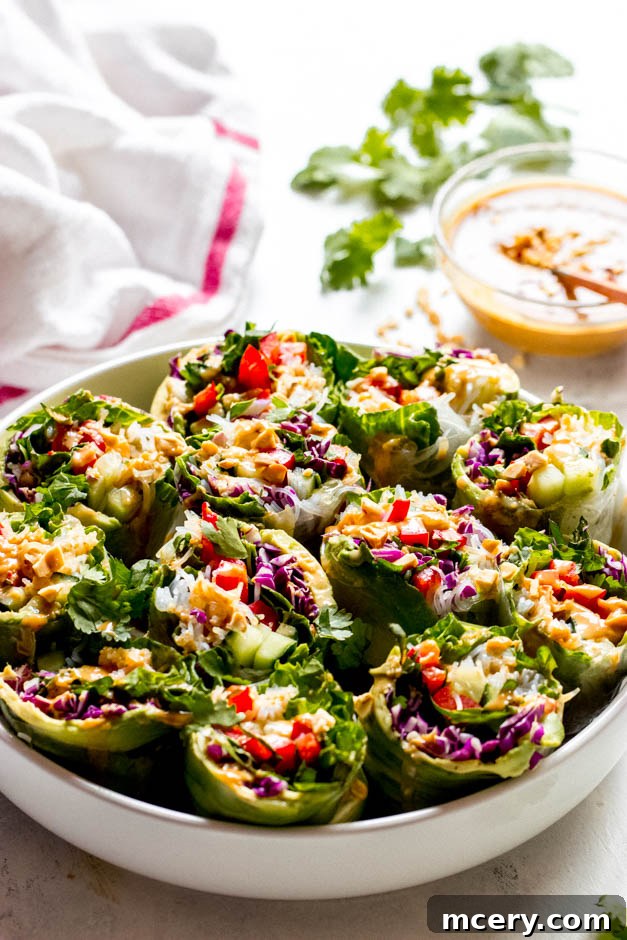
How to Make Rice Paper Rolls: A Step-by-Step Guide
Making rice paper rolls is a straightforward process, but efficiency is key due to the delicate nature of the wrappers. The most crucial preparatory step is to have all your filling ingredients prepped and laid out before you begin rolling. Rice paper wrappers become very sticky and fragile once wet, so working quickly and methodically will ensure beautifully formed rolls. Follow these steps for perfect results every time:
- Prepare the Noodles: Begin by cooking your rice vermicelli noodles according to the package instructions. Typically, this involves soaking them in hot water for a few minutes until tender. Once cooked, immediately rinse them under cold water to stop the cooking process and prevent them from sticking together. Drain them thoroughly in a colander. For best results and easier handling, these noodles can even be cooked the day before and refrigerated; chilled noodles are less sticky and simpler to work with.
- Prep All Veggies: Wash and thoroughly dry all your chosen vegetables and herbs. Slice them into thin, manageable strips or julienne them as specified. Having everything uniformly cut and ready to go will make the assembly process much smoother and faster.
- Prepare Your Rolling Station: Set up a shallow dish (larger than your rice paper wrappers) with warm water. You’ll also need a clean, damp surface for rolling. A cutting board works perfectly; simply run it under water or wipe it down with a damp cloth to keep it moist. This prevents the delicate rice paper from sticking to the surface.
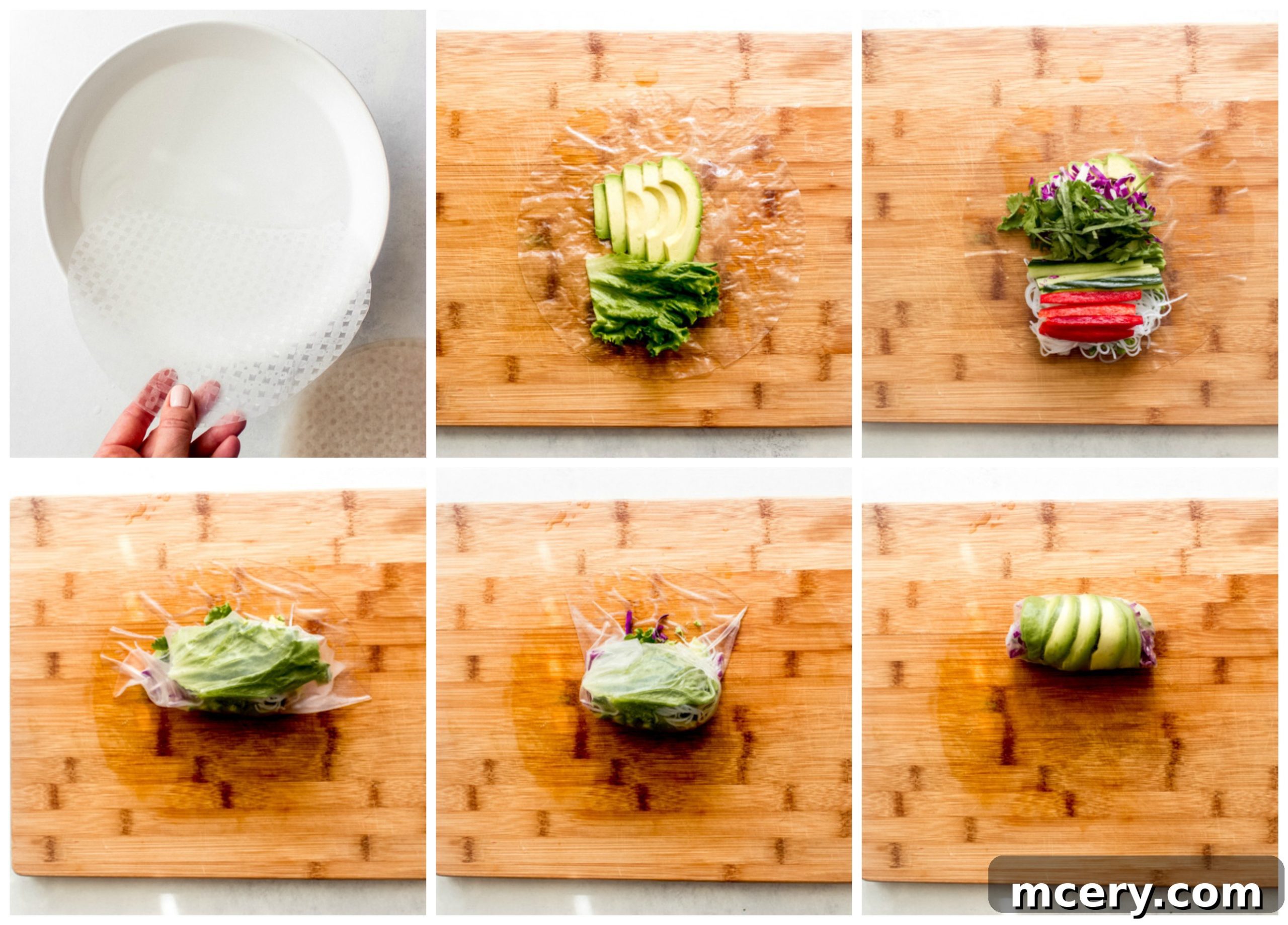
- Soak the Rice Paper: Working with one rice paper wrapper at a time, gently immerse it in the warm water. Allow it to soak for about 15-30 seconds, or until it softens and becomes pliable. It should still have a slight firmness, as it will continue to soften as you work. Avoid over-soaking, as it will become too flimsy and tear easily.
- Assemble Your Roll: Carefully remove the softened wrapper from the water and lay it flat on your damp work surface. Arrange your prepped veggies and noodles in the center of the wrapper, leaving about an inch clear on the top and bottom edges. Don’t overfill! A moderate amount of filling is easier to roll and prevents tearing. For an appealing look, arrange avocado slices first, then layer lettuce, noodles, cucumber, and bell peppers, and finally top with red cabbage, cilantro, and basil.
- Roll with Care: Gently fold the bottom edge of the wrapper up over the filling. Then, fold in the side edges towards the center. Finally, continue to roll tightly from the bottom up until you reach the top edge and the seam is sealed. Remember, the wrapper is sticky and delicate, so work quickly and with a gentle touch. Don’t worry if your first few rolls aren’t perfect; practice makes perfect! Cut each finished roll in half diagonally to expose the beautiful cross-section of fillings, then arrange them on a serving platter.
Can You Make Rice Paper Rolls in Advance?
The question of making rice paper rolls in advance often comes up, and the answer is a bit nuanced – it depends largely on the ingredients you use and how you store them. While fresh is always best for these delicate rolls, some components can certainly be prepped ahead of time to streamline your cooking process.
If your spring rolls contain avocado, it’s generally best to serve them immediately after rolling. Avocado tends to brown quickly when exposed to air, which can detract from the visual appeal and fresh taste of your rolls. For this reason, we highly recommend enjoying avocado-filled rolls on the same day they are made.
However, you can significantly reduce prep time by preparing all your individual ingredients in advance. Cook the noodles, chop and julienne all your vegetables, and whip up the peanut dipping sauce a day or two before you plan to serve. Store each component separately in airtight containers in the refrigerator. When you’re ready to eat, simply set up your rolling station and assemble the fresh spring rolls in minutes. The actual rolling process is quite fast once everything is prepped, and nothing truly compares to the taste and texture of a freshly rolled spring roll.
If you absolutely need to roll them in advance (for example, for an event later in the day, up to one day ahead), you can do so with a couple of important modifications. First, omit the avocado entirely from the filling to prevent browning. Second, once rolled, wrap each individual spring roll tightly in plastic wrap to minimize air exposure. Store these wrapped rolls in an airtight container in the refrigerator. When serving, allow them to come to room temperature for about 15-20 minutes for the best texture and flavor.
How Do You Keep Rice Paper from Sticking?
Working with rice paper can sometimes be a little tricky as it tends to get very sticky once moistened. However, there’s a simple trick to ensure a smooth rolling process and prevent the wrappers from adhering to your work surface or to each other. The key is to keep your rolling surface consistently damp.
Before you start, lightly wet your cutting board or preferred rolling surface. You can do this by running it under cool water and shaking off the excess, or by wiping it down with a clean, damp cloth. The thin film of water creates a barrier that prevents the sticky rice paper from bonding with the surface, allowing you to maneuver and roll your spring rolls with ease. Some cooks even prefer placing a slightly damp, clean kitchen towel on their surface, as it provides a consistently moist, non-slip base for rolling. This simple technique will greatly improve your rice paper rolling experience, making it much less frustrating and more enjoyable.
Rice Paper Rolls Recipe Tips for Success
Achieving perfectly rolled, delicious rice paper spring rolls is easier with a few insider tips:
- Cook Noodles Ahead of Time: For optimal texture and ease of handling, cook your rice noodles the night before or several hours in advance. After cooking and rinsing with cold water, refrigerate them. Chilled noodles are much firmer and less prone to sticking, making them a dream to work with during assembly.
- Maintain a Damp Work Surface: As mentioned, this is crucial! Lightly wet your cutting board or preferred rolling area to prevent the delicate rice paper wrapper from sticking. A damp cloth underneath the wrapper can also be very effective.
- “Mise en Place” is Your Friend: This French culinary term means “everything in its place.” Prepare all your filling ingredients (chop veggies, cook noodles, make sauce) and lay them out in an organized manner before you start soaking wrappers. Once wet, rice paper is incredibly sticky and delicate, so working quickly and having everything at your fingertips is paramount to success.
- Embrace Adaptability: This recipe is incredibly versatile. Feel free to adjust the quantities of any vegetables you like or dislike. Add shredded carrots, mango strips, jicama, or even blanched shrimp or chicken for a non-vegetarian option. Experiment and make them your own!
- Avoid Overfilling: This is a common pitfall for beginners. While it’s tempting to cram in as much delicious filling as possible, overfilling will inevitably lead to torn wrappers. Start with a conservative amount; it may take a few tries to gauge the perfect quantity, and that’s perfectly okay.
- Optimize Filling Arrangement: Instead of stacking all your fillings into one large mound, try creating two smaller, adjacent lines of filling in the center of the wrapper. For example, arrange half the filling in a line at the center and the other half directly below it. This technique makes rolling tighter and easier, prevents tearing, and often results in a beautiful, layered presentation where ingredients like avocado or red cabbage are visible through the translucent wrapper.
Veggie Roll Peanut Sauce: The Ultimate Dipping Companion
No plate of fresh vegetable rice paper rolls is truly complete without a side of the perfect dipping sauce, and our homemade peanut sauce is simply divine. This spicy-sweet concoction offers an exquisite balance of rich, savory, and tangy flavors, making it the ideal accompaniment for your crisp spring rolls. It’s incredibly easy to make and far superior to any store-bought alternative. Here’s a breakdown of the essential ingredients you’ll need to create this irresistible sauce:
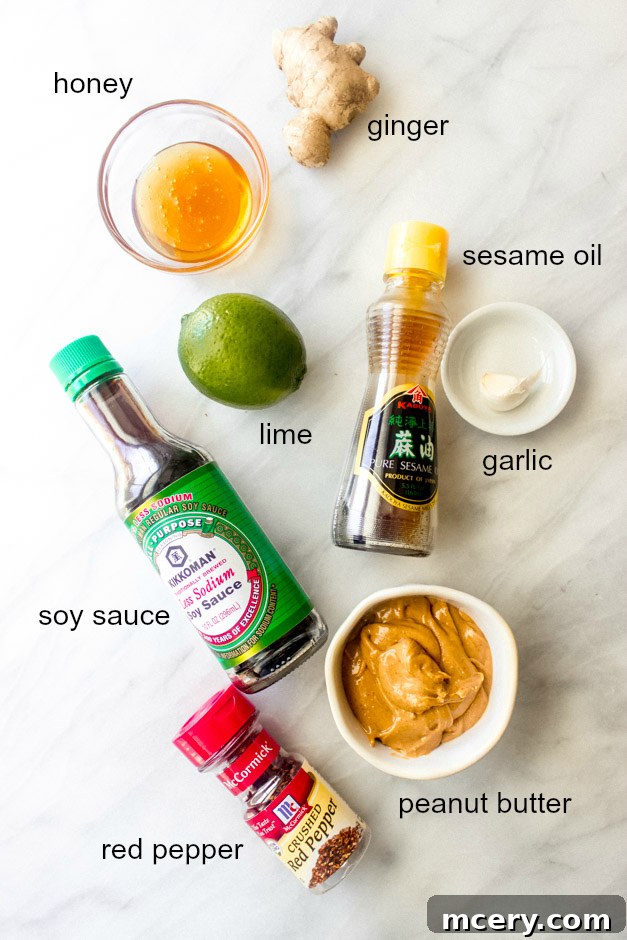
- Creamy Peanut Butter: This forms the rich, smooth, and nutty base of your sauce. Opt for a natural, creamy variety without added sugars for the best flavor and texture.
- Lime Juice: Freshly squeezed lime juice is essential here! It provides a bright, zesty, and tangy counterpoint to the richness of the peanut butter, lifting the entire flavor profile.
- Low-Sodium Soy Sauce: Contributes a crucial salty and umami depth. For a truly gluten-free sauce, remember to substitute with tamari.
- Honey: Adds a touch of natural sweetness that perfectly balances the savory and spicy notes. Maple syrup can be used as a vegan alternative if desired.
- Fresh Ginger: Grated fresh ginger infuses the sauce with a warm, zesty, and slightly pungent flavor that is characteristic of many Asian-inspired dressings. A microplane makes grating super easy.
- Garlic: At least one clove of minced or pressed garlic is indispensable for adding aromatic depth and a gentle kick to the sauce.
- Sesame Oil: A small dash of toasted sesame oil provides an incredible nutty aroma and enhances the overall savory complexity of the dipping sauce.
- Red Pepper Flakes: For those who enjoy a little heat, red pepper flakes offer a pleasant hint of spice. Feel free to adjust the amount to your personal preference – a little goes a long way!
- Water: This is used to thin out the sauce, achieving a smooth, creamy, and dippable consistency. Add it gradually until you reach your desired thickness.
Veggie Roll / Rice Paper Roll FAQs
Rice paper is a thin, translucent, and edible wrapper typically made from rice flour, tapioca starch, water, and salt. It originates from Vietnamese cuisine and is commonly used to create fresh spring rolls (gỏi cuốn). When dry, it’s brittle and firm, but upon soaking in water, it becomes soft, pliable, and slightly sticky, making it perfect for wrapping various fillings. Its neutral flavor allows the vibrant tastes of the ingredients it encloses to shine through, contributing primarily a delightful, chewy texture.
The terms “spring roll wrappers” and “rice paper” are often used interchangeably, but there’s a key distinction. Traditional fresh spring rolls, like those in this recipe, use rice paper wrappers which are made from rice flour and are inherently gluten-free. Conversely, “spring roll wrappers” can also refer to a wheat-based dough wrapper, which is thicker, opaque, and typically used for deep-fried spring rolls (chả giò) or egg rolls. Always check the ingredients list if you need a gluten-free option; rice paper is the way to go for fresh, uncooked rolls.
For this particular recipe and for most fresh spring rolls, we recommend using warm water to soak the rice paper wrappers. Warm water helps the wrappers soften and become pliable more quickly, allowing for immediate shaping and rolling. This makes the assembly process efficient, especially for recipes like these veggie rolls. While some prefer cold water as it softens the paper more slowly, offering a longer working time, warm water is generally preferred for its speed and ease of molding the delicate wrappers.
Double-wrapping rice paper rolls is a technique some people use, especially if they are new to rolling or if their fillings are particularly wet or bulky. It can certainly provide extra structural integrity, making the rolls less prone to tearing and ensuring the fillings stay securely inside. However, for this recipe, with proper technique and avoiding overfilling, a single layer of rice paper should be sufficient. If you find your rolls are tearing or you prefer a more robust wrapper, feel free to double-wrap for added peace of mind.
What to Serve with this Rice Paper Rolls Recipe
These versatile rice paper rolls pair wonderfully with a variety of dishes, whether you’re looking for a light complement or a heartier meal:
- Vietnamese Chicken Noodle Soup
- Sicilian Chicken Noodle Soup
- Roasted Tomato and Basil Soup
- Chicken Cabbage Stir Fry
You May Also Like
We’re confident that these Veggie Rice Paper Rolls will bring a burst of freshness and flavor to your table. If you give this recipe a try, please take a moment to leave a star rating and a comment below, letting us know how much you enjoyed it. Your feedback helps us and other home cooks!
Print Recipe
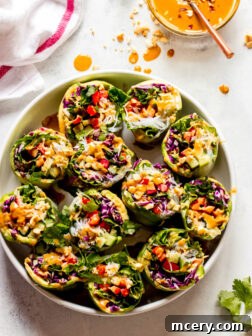
Fresh Veggie Rice Paper Rolls with Peanut Sauce
5 Stars
4 Stars
3 Stars
2 Stars
1 Star
5 from 5 reviews
- Author: Katya
Prep Time: 30 min
Cook Time: 5 min
Total Time: 35 minutes
Yield: 8 servings
Category: Appetizer, Lunch, Dinner
Method: Roll
Cuisine: Vietnamese, Asian
Description
Quick and easy vegetable rice paper rolls with the most delicious sweet and savory peanut dipping sauce! Learn how to make these fresh rolls, including tips for prep ahead and gluten-free variations.
Ingredients
For the Fresh Spring Rolls
- 4 oz. rice vermicelli noodles (thin)
- 8–10 rice paper wrappers (round or square)
- 2 ripe avocados, thinly sliced
- Green leaf lettuce, torn into manageable chunks
- 1 English cucumber, julienned into thin strips
- 1–2 red bell peppers, julienned
- Shredded red cabbage (about ½ cup)
- Fresh cilantro leaves (a handful)
- Fresh basil leaves, sliced into thin ribbons (about ¼ cup)
For the Sweet & Spicy Peanut Dipping Sauce
- ½ cup creamy peanut butter
- Juice of 1 lime (approximately 2-3 Tablespoons)
- ¼ cup low-sodium soy sauce (for gluten-free, use tamari)
- 3 Tbsp. honey (or maple syrup for vegan)
- 2 tsp. fresh ginger, finely grated
- 1 garlic clove, minced or pressed
- 1 tsp. toasted sesame oil
- ¼ tsp. red pepper flakes (adjust to taste for desired spice level)
- 2–3 Tbsp. warm water (for thinning)
Instructions
- Cook the Rice Noodles: Follow the package directions for cooking your rice vermicelli noodles. Typically, this means soaking them in hot water until tender, then immediately rinsing them under cold water to prevent sticking and stop further cooking. Drain them thoroughly in a colander. You can cook these noodles up to 3-4 days in advance and refrigerate them; they become easier to handle when chilled.
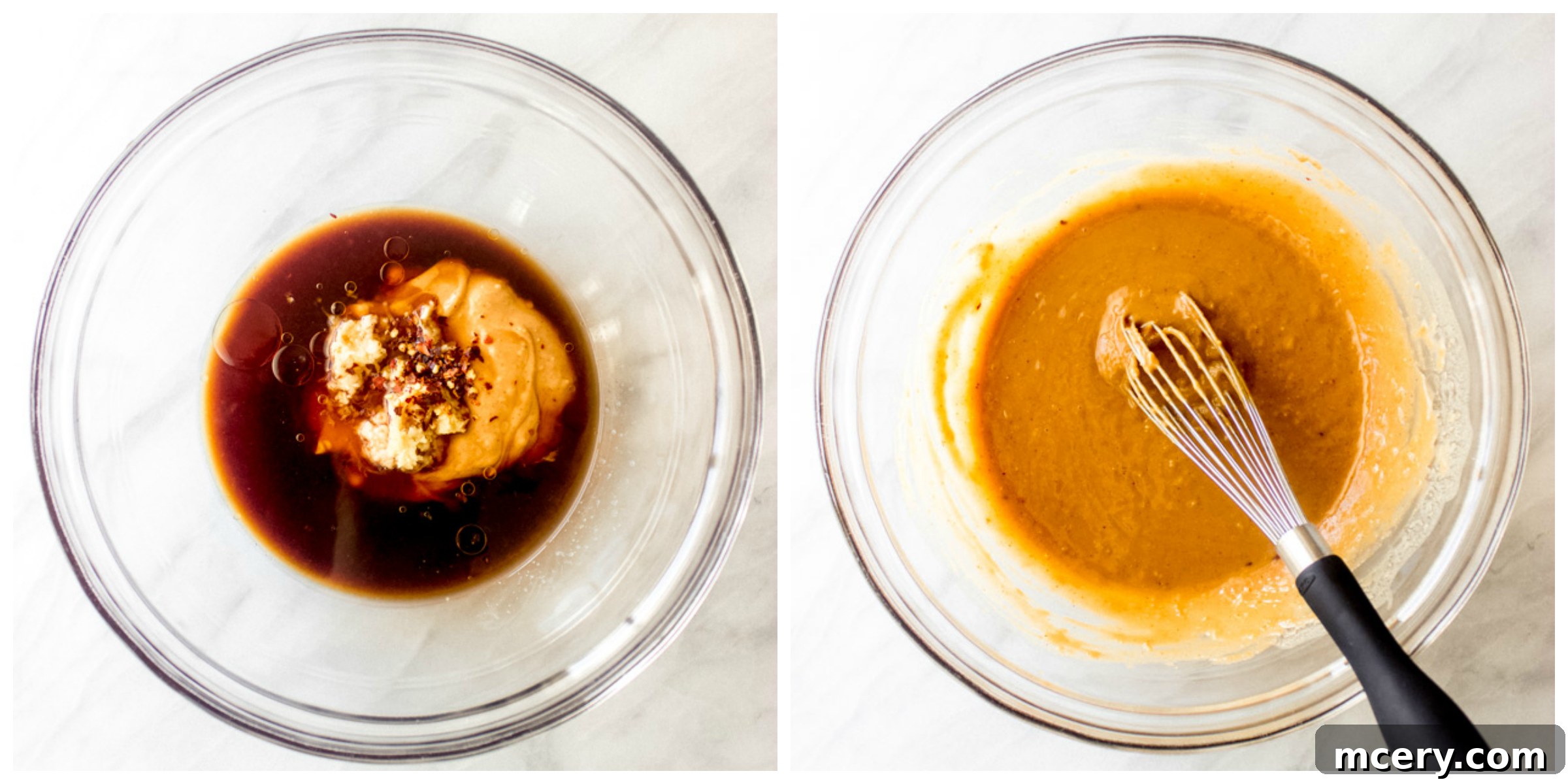
- Prepare the Peanut Dipping Sauce: In a small mixing bowl, combine the creamy peanut butter, fresh lime juice, low-sodium soy sauce (or tamari), honey, grated fresh ginger, minced garlic, toasted sesame oil, and red pepper flakes. Whisk all ingredients together until well combined. Gradually add warm water, one tablespoon at a time, whisking continuously until the sauce reaches your desired smooth, dippable consistency. Taste the sauce and adjust the flavors as needed – add more lime for tang, honey for sweetness, or red pepper flakes for heat. Keep the sauce refrigerated until you are ready to serve.
- Set Up Your Rolling Station: Gather all your prepared filling ingredients and arrange them neatly on your work surface. Pour warm water into a shallow dish that is wide enough to accommodate your rice paper wrappers. Prepare your rolling surface by moistening a clean cutting board or countertop with water; this prevents the wrappers from sticking.
- Soak a Wrapper: Take one rice paper wrapper and gently immerse it in the warm water for about 15-30 seconds, or until it softens and becomes pliable but still has a slight firmness. Do not over-soak. Carefully remove the softened wrapper from the water and lay it flat on your damp cutting board.
- Assemble the Roll: Arrange your fillings in the center of the wrapper, leaving a border of about 1 inch on all sides. Start by placing a few slices of avocado. Below the avocado, layer a small amount of green leaf lettuce, followed by a handful of cooked rice noodles, some julienned cucumber, and red bell peppers. On top of the avocado, add shredded red cabbage, fresh cilantro, and basil ribbons. Remember not to overfill to prevent tearing.
- Roll the Spring Roll: Gently fold the bottom edge of the rice paper wrapper up over the filling. Then, fold in the left and right side edges towards the center. Continue to roll tightly from the bottom up until the roll is firm and the seam is sealed. The wrapper will be very sticky and delicate, so work quickly and carefully. Don’t be discouraged if your first few attempts aren’t perfect; it takes a little practice! Once rolled, cut each spring roll in half diagonally using a sharp knife to showcase the beautiful inner layers. Arrange the finished rolls on a serving platter. Serve immediately with the prepared peanut dipping sauce.
Notes
- Noodle Prep Ahead: Rice noodles can be cooked and refrigerated up to 3-4 days in advance. They are much easier to work with when they are chilled and firm, making your assembly process smoother and quicker.
- Peanut Sauce Storage & Variations: The peanut dipping sauce will keep well in an airtight container in the refrigerator for up to a week. To ensure it is completely gluten-free, substitute the soy sauce with tamari. For a vegan option, simply swap honey for an equal amount of maple syrup.
- Sticky Wrapper Solution: To prevent rice paper wrappers from sticking to your work surface, always keep the surface damp. A lightly wet cutting board or a damp kitchen towel laid flat works perfectly as a non-stick base for rolling.
Nutrition
- Serving Size: 2 rolls
- Calories: 276
- Sugar: 10.5 g
- Sodium: 294.8 mg
- Fat: 15.5 g
- Carbohydrates: 31.1 g
- Protein: 6.7 g
- Cholesterol: 0.3 mg