
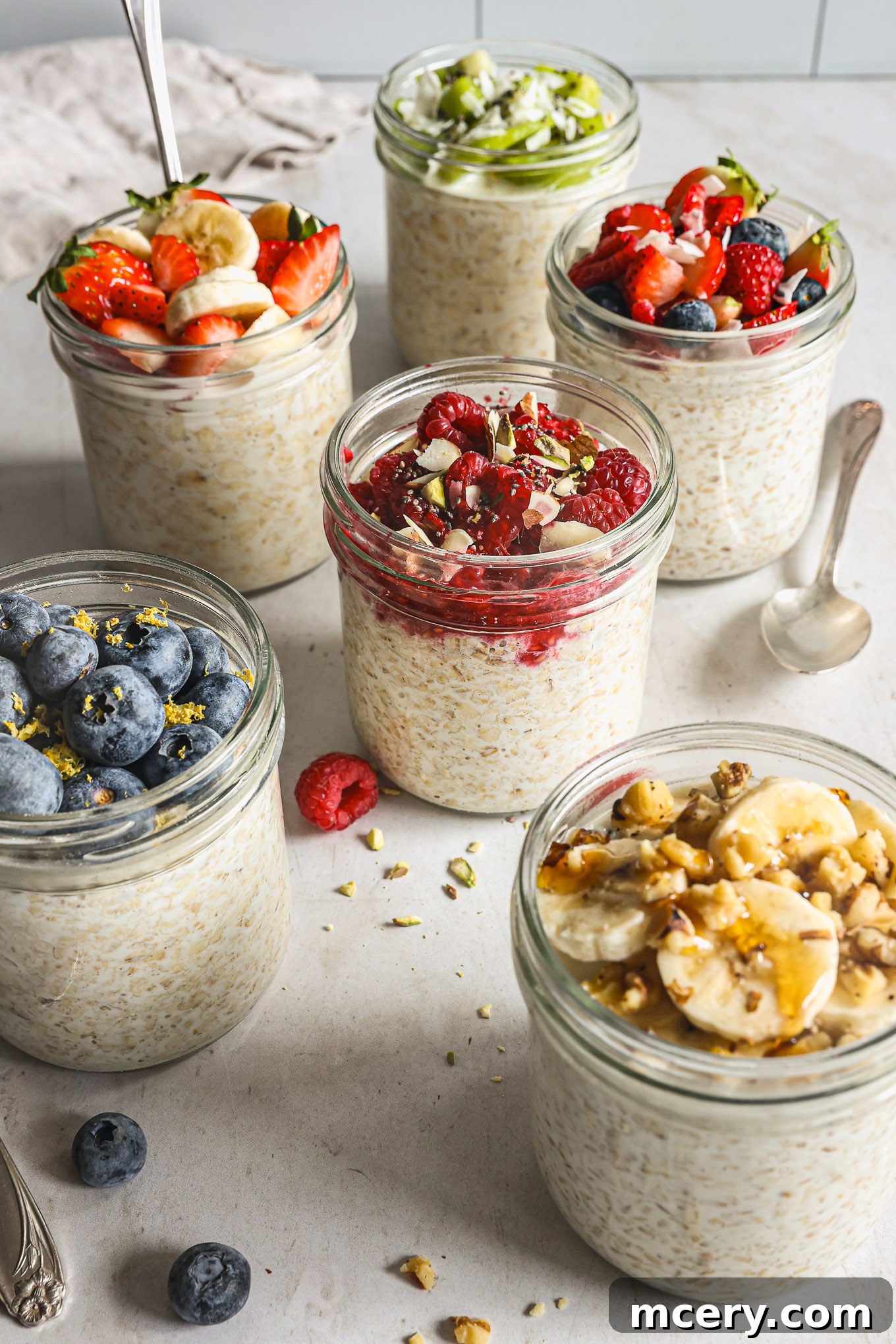
Unlock Effortless Mornings: The Ultimate Guide to Perfect Overnight Oats (Any Oat Type!)
Are your mornings a whirlwind? Do you often skip breakfast or grab something less-than-nutritious on the go? It’s a common struggle, even for those who know breakfast is crucial. But what if there was a way to enjoy a wholesome, delicious, and satisfying meal without any morning rush? Enter overnight oats – the ultimate breakfast solution that transforms your routine from hurried to harmonious.
This incredibly simple yet versatile recipe allows you to prepare your breakfast the night before, waking up to a ready-to-eat meal tailored perfectly to your taste and texture preferences. Whether you’re a fan of the chewy bite of steel-cut oats, the classic creaminess of old-fashioned oats, or the soft quickness of instant oats, this comprehensive guide will show you how to master overnight oats with any variety. Say goodbye to rushed mornings and hello to a breakfast that truly fuels your day!
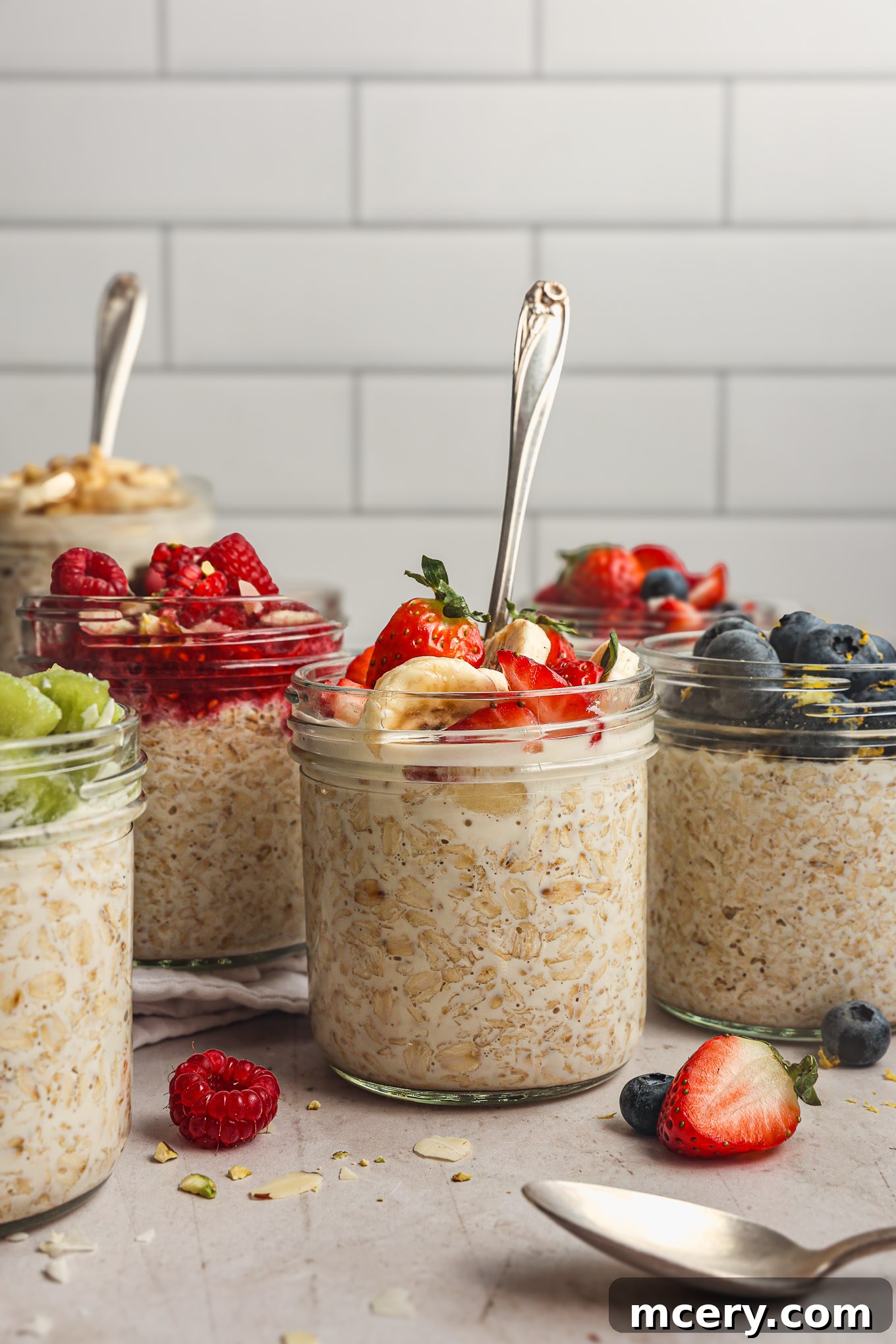
What Are Overnight Oats and Why Are They a Breakfast Game-Changer?
Overnight oats are essentially oats that have been soaked in liquid, typically milk or water, and refrigerated overnight, rather than cooked on a stovetop or in a microwave. This “no-cook” method allows the oats to absorb the liquid, softening them to a creamy, pudding-like consistency. The magic happens while you sleep, making them the ultimate grab-and-go breakfast.
The Unbeatable Benefits of Choosing Overnight Oats:
- Unparalleled Convenience: Prepare them in minutes the night before, and your breakfast is ready when you wake up. No cooking, no mess, no stress during your morning rush.
- Nutrient Powerhouse: Oats are packed with fiber, protein, and essential minerals like manganese, phosphorus, magnesium, and iron. They help keep you full and energized throughout the morning, preventing those mid-morning energy crashes and unhealthy snacking.
- Digestive Health: The soluble fiber in oats, particularly beta-glucan, is excellent for digestive health, promoting regularity and supporting a healthy gut microbiome.
- Sustained Energy: The complex carbohydrates in oats provide a slow and steady release of energy, keeping you feeling satisfied and focused.
- Endless Customization: From fresh fruits and nuts to seeds, spices, and sweeteners, the topping possibilities are limitless. You can create a new flavor profile every day, ensuring you never get bored.
- Budget-Friendly: Oats are an inexpensive pantry staple, making overnight oats an economical breakfast choice that’s also incredibly healthy.
- Supports Meal Prep: Easily prepare multiple servings at the beginning of the week, saving even more time on busy weekdays.
- Naturally Gluten-Free: While oats are naturally gluten-free, it’s essential to choose certified gluten-free oats if you have celiac disease or gluten sensitivity to avoid cross-contamination.
If you’ve ever found yourself skipping breakfast or settling for something less than ideal, overnight oats are your perfect solution. They are not only incredibly easy to make but also packed with nutrients, keeping you full and satisfied all morning long.
Decoding Your Oats: Which Type Works Best for Overnight Oats?
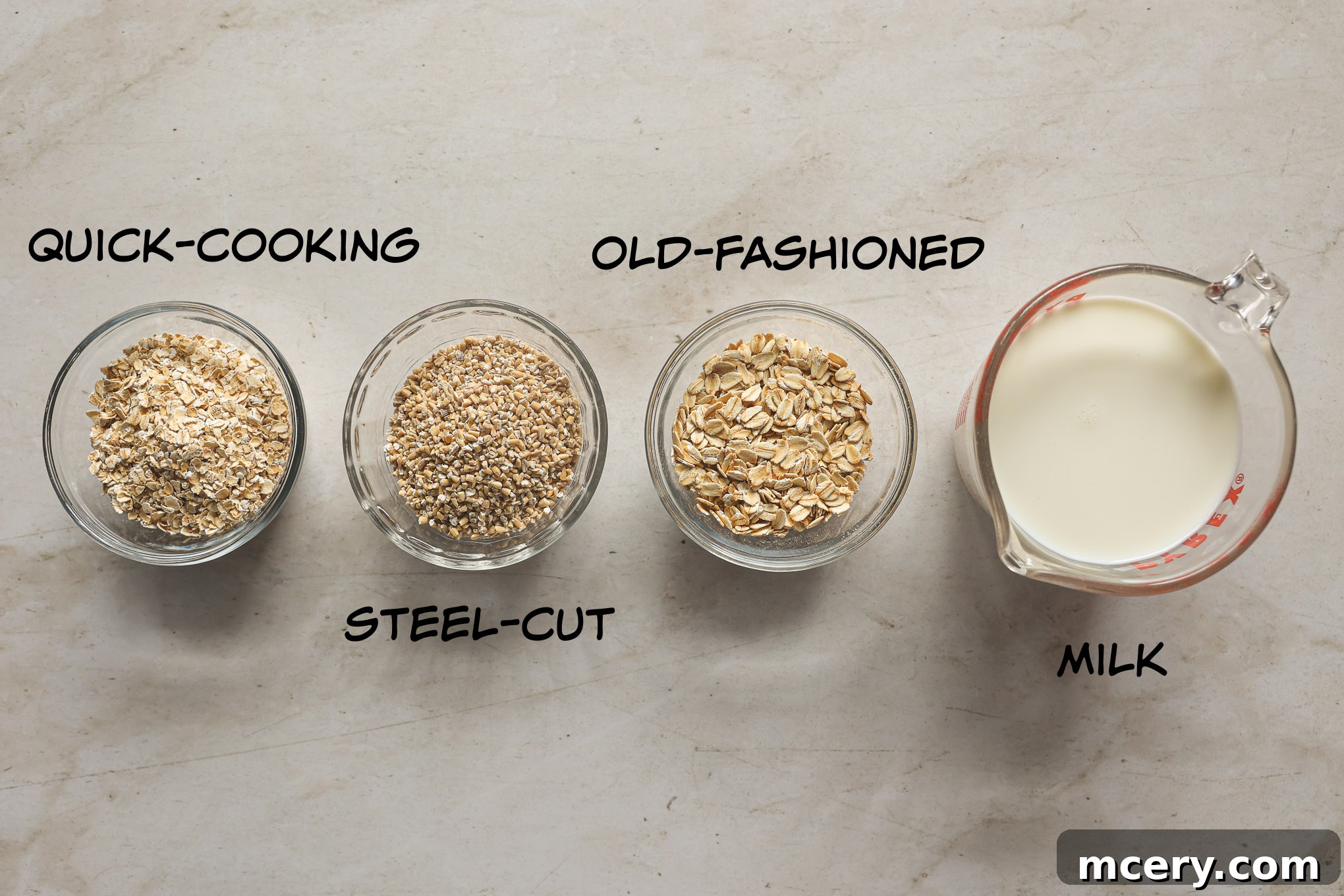
While many overnight oat recipes primarily call for old-fashioned oats, the truth is you can make delicious overnight oats with various types of oats. Each variety offers a unique texture and requires slightly different preparation methods to achieve the best results.
Old-Fashioned Oats (Rolled Oats): The Gold Standard
Old-fashioned oats, also widely known as rolled oats, are generally considered the best choice for overnight oats. They are made by steaming and then flattening whole oat groats into flakes. This process makes them more circular and porous than steel-cut oats, allowing them to absorb liquid readily without completely losing their structure.
- Texture: When soaked overnight, they become thick, creamy, and wonderfully soft, yet they retain a pleasant chewiness that prevents them from becoming mushy.
- Absorption: Their ability to absorb liquid efficiently means they don’t require any pre-cooking and are perfectly tender after an overnight soak.
- Versatility: They hold up well to various liquids and additions, making them ideal for a wide range of flavor combinations.
Steel-Cut Oats (Irish or Scottish Oats): The Hearty, Chewy Choice
Steel-cut oats are the least processed form of oats commonly available. They are made by simply cutting whole oat groats into two or three smaller pieces, rather than steaming and rolling them. This minimal processing gives them a dense, nutty flavor and a significantly chewier texture.
- Processing: Being less processed, they are firmer and denser.
- Absorption Challenge: Due to their robust nature, steel-cut oats take much longer to soften and absorb liquid compared to rolled or quick oats. If simply soaked raw, they tend to remain quite hard and crunchy, which isn’t ideal for traditional overnight oats.
- Preparation: To make overnight oats with steel-cut oats, a brief pre-cooking step (either in the microwave or stovetop) is essential to jumpstart the softening process. This allows them to become tender, albeit still delightfully chewy, after an overnight refrigeration.
- Flavor Profile: They offer a heartier, more substantial bite and a distinctly nutty flavor.
Quick Oats (Instant Oats): The Speedy, Softer Option
Quick oats are the most processed variety. They are produced by cutting oats into smaller pieces, pressing them thinner, and steaming them for a longer period than old-fashioned oats. This extensive processing allows them to cook very quickly, hence their name.
- Texture: They absorb liquid extremely fast and can become very soft, even mushy, when soaked overnight.
- Speed: If you’re truly short on time and prefer a very soft, almost porridge-like consistency, quick oats can be soaked for as little as 30 minutes to an hour.
- Recommendation: While they can be used, many find them too mushy for the desired overnight oats texture. If using, you might want to adjust the liquid ratio slightly or soak for a shorter duration.
The Simple Science Behind Overnight Oats: Ratios and Basics
The core of any successful overnight oats recipe lies in the correct ratio of oats to liquid. While it can vary based on your preferred consistency, a good starting point is usually 1:1, meaning one part oats to one part liquid. However, this is just a guideline, and many, including myself, prefer a slightly higher liquid ratio for an extra creamy result.
Beyond the ratio, the choice of liquid significantly impacts the flavor and texture. Dairy milk (whole, skim, 2%) offers a rich, creamy base, while non-dairy alternatives like almond milk, soy milk, oat milk, or coconut milk provide delicious options for those with dietary preferences or restrictions. Each non-dairy milk imparts its own subtle flavor, so experiment to find your favorite.
Consider also adding a tablespoon of chia seeds or flaxseeds to your mixture. These tiny powerhouses absorb liquid, creating a thicker, more pudding-like texture and boosting the nutritional content with omega-3 fatty acids and extra fiber. A touch of sweetener like maple syrup, honey, or a mashed banana can also be mixed in the night before for infused flavor.
Crafting Your Perfect Bowl: Step-by-Step Instructions
Making overnight oats is incredibly simple, requiring minimal effort and no cooking. Here’s how to prepare them for each type of oat, ensuring a delicious and satisfying breakfast every time.
Method 1: For Old-Fashioned & Quick Oats
This is the classic, no-fuss method for getting your oats ready while you dream. Old-fashioned and quick oats respond beautifully to this simple soaking technique.
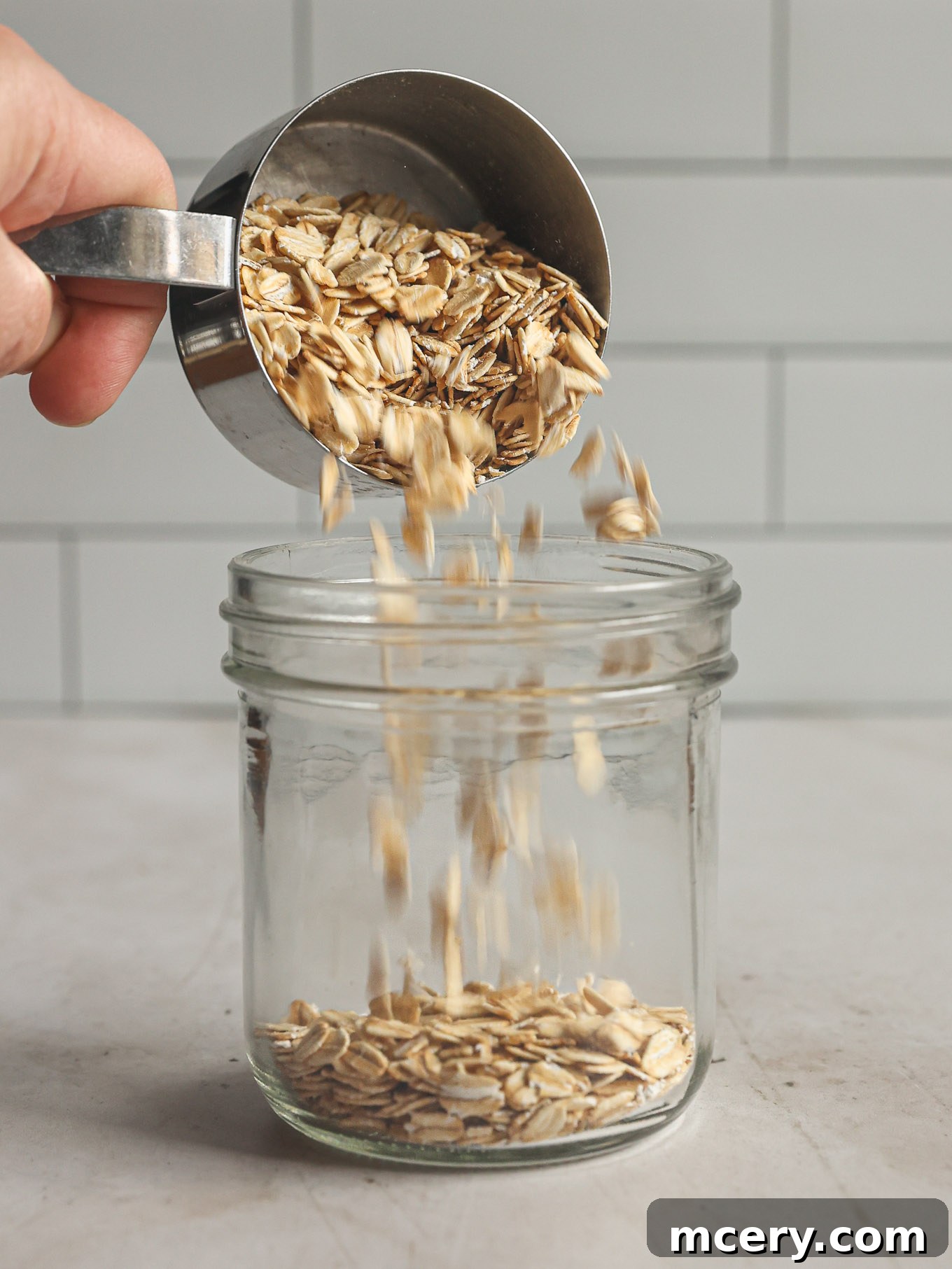
Step 1: Combine Oats: Add your old-fashioned oats or quick-cooking oats into a single-serving jar or an individual food container with a tight-fitting lid. Ensure your container is large enough to allow for some expansion as the oats absorb liquid.
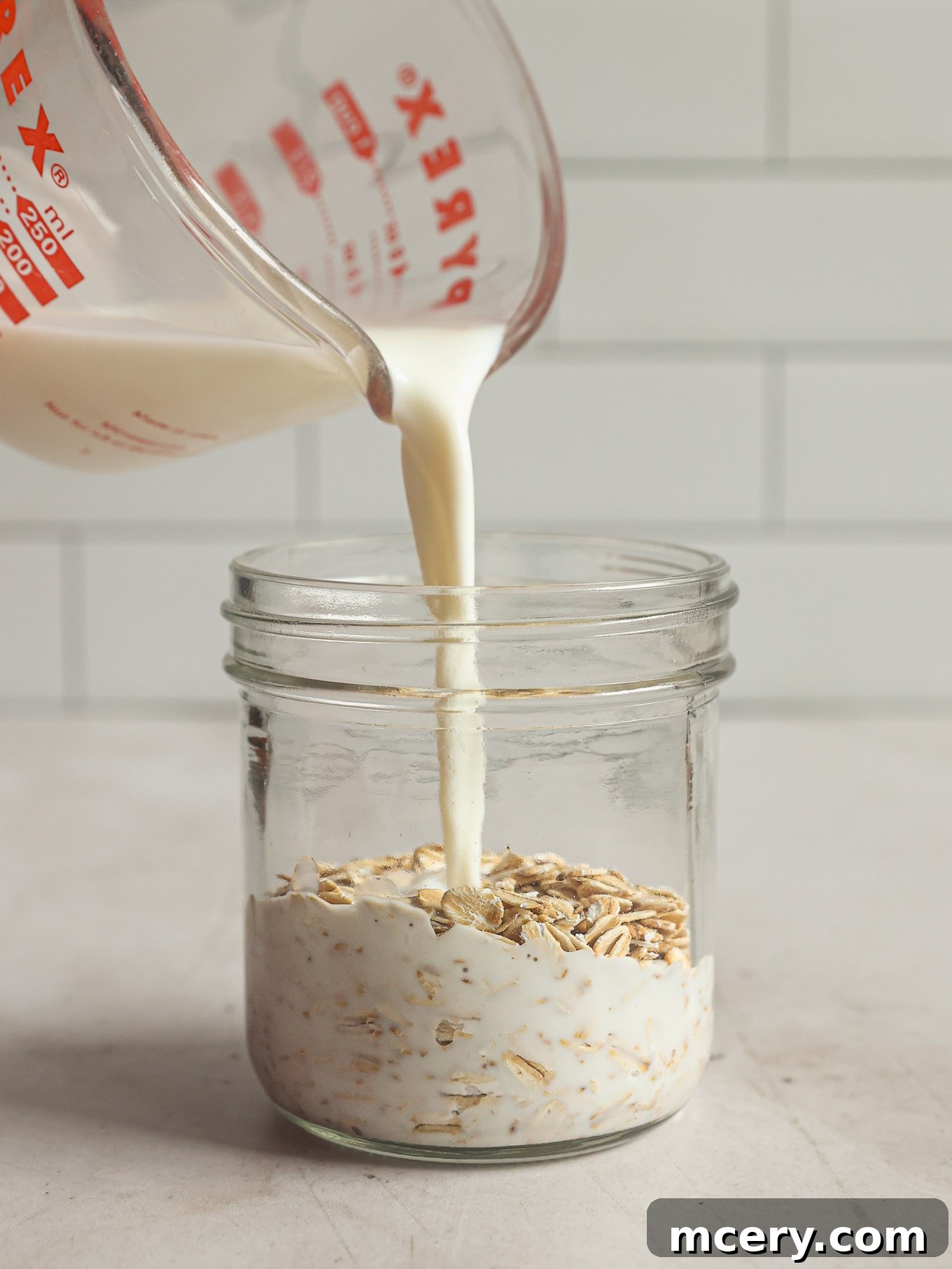
Step 2: Add Liquid: Pour in your milk of choice. Dairy milk (cow’s milk) or any non-dairy milk (almond, soy, oat, coconut) will work perfectly. The standard ratio is 1 part oats to 1 part liquid, but feel free to add a little extra liquid for a creamier consistency.
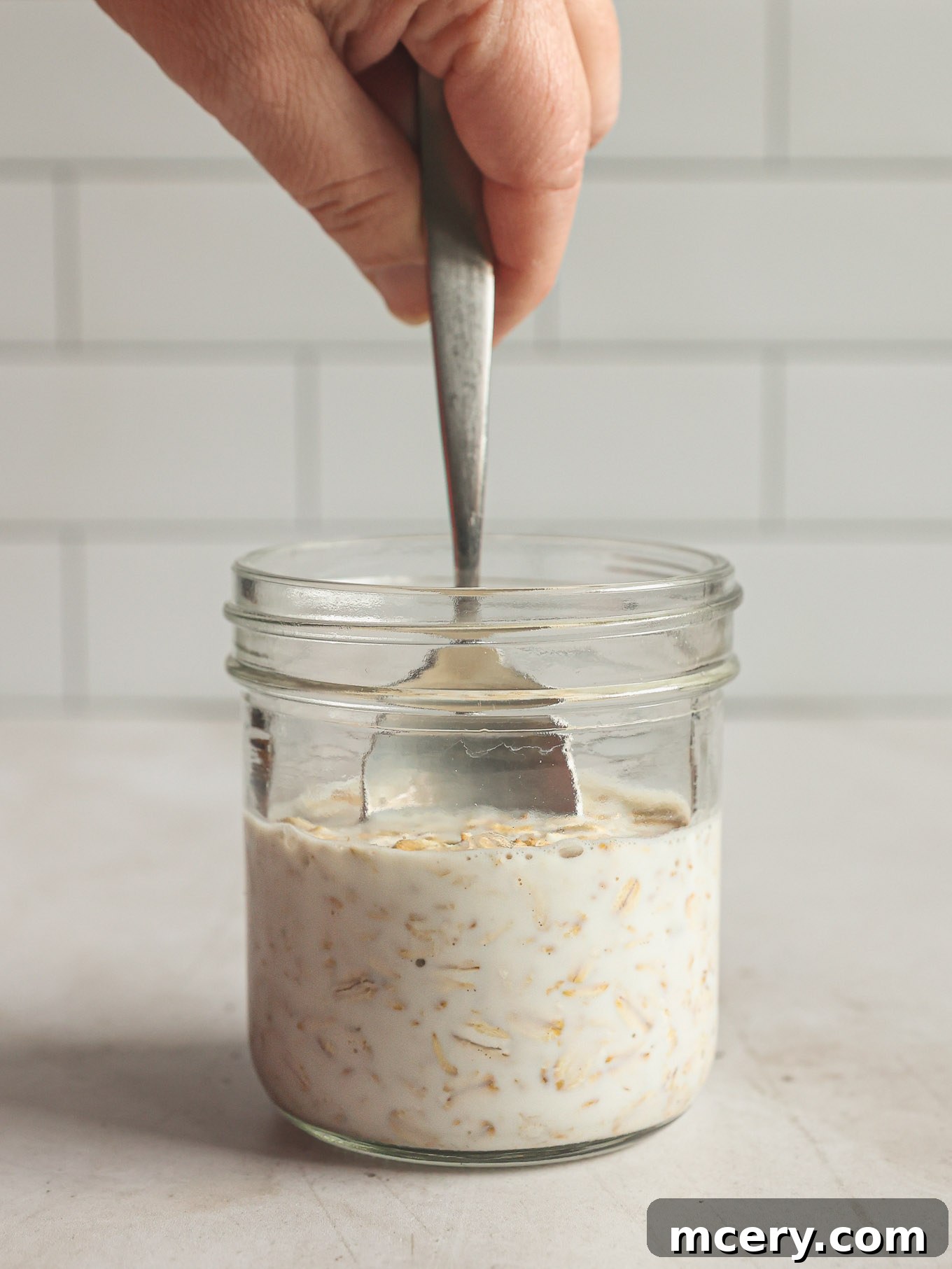
Step 3: Stir Thoroughly: Stir the dry oats with the milk until they are well combined. Make sure there are no dry spots at the bottom of the container. This ensures even absorption and a consistent texture. If adding chia seeds or other dry mix-ins, stir them in now.
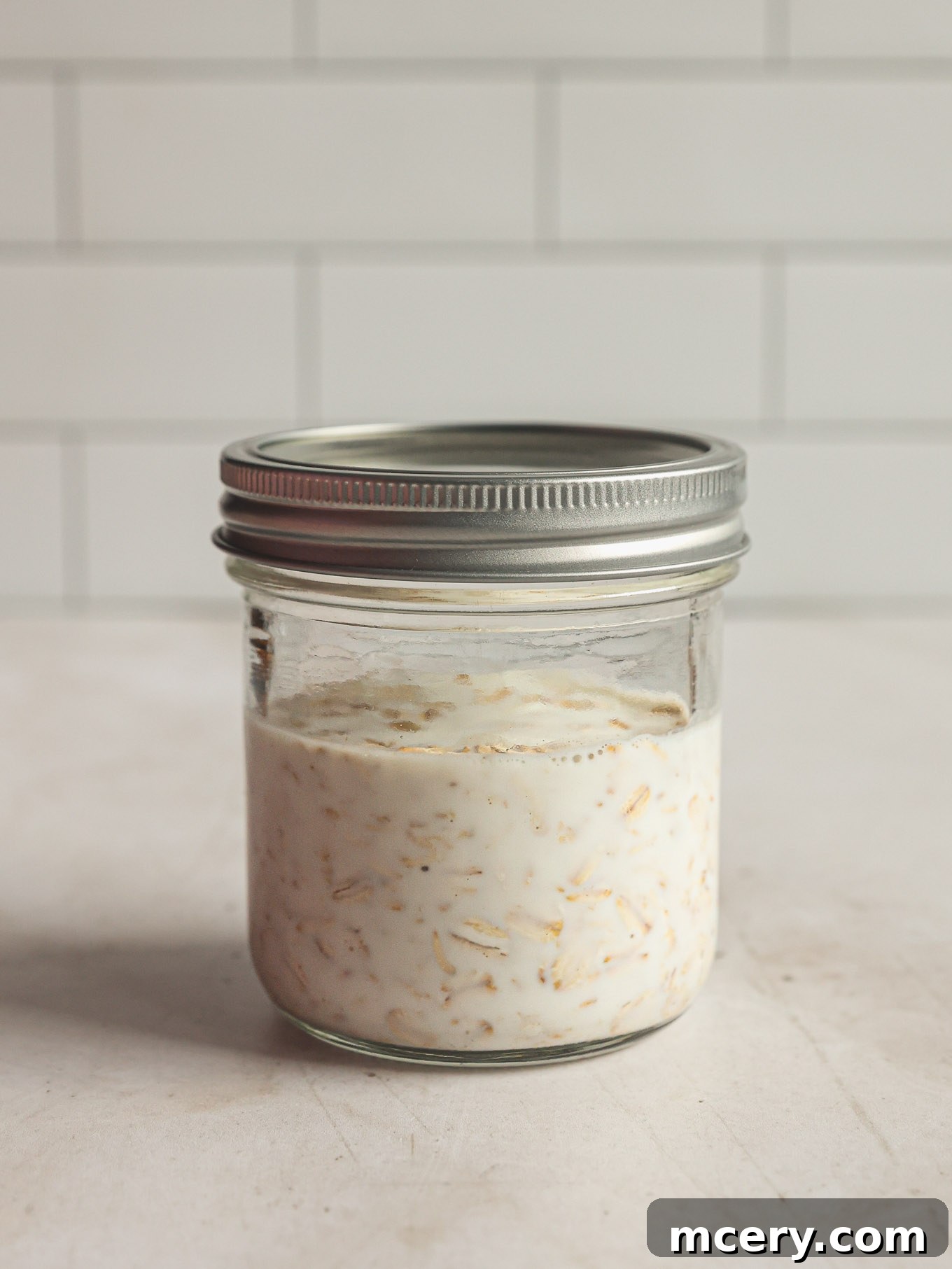
Step 4: Refrigerate: Cover the container tightly with its lid and refrigerate it overnight, or for a minimum of 4-6 hours. This soaking time allows the oats to soften and absorb the liquid, creating that delightful, no-cook breakfast texture. In the morning, give it another stir, add your favorite toppings, and enjoy!
Method 2: For Steel-Cut Oats (Pre-Cook Method)
Steel-cut oats, with their robust, less-processed nature, require a slight modification to the overnight oats method to ensure they soften adequately. Simply soaking them raw usually results in a tough, unpalatable texture. A quick pre-treatment will unlock their delicious, chewy potential for your grab-and-go breakfast.
- Initial Prep: In a microwave-safe bowl (or a small saucepan), combine your steel-cut oats with milk. For steel-cut oats, a common ratio is ¼ cup oats to ¾ cup liquid, as they absorb more liquid and benefit from a slightly softer start.
- Brief Cook: Microwave on HIGH for about 3 minutes, or until the milk comes to a gentle simmer, stirring occasionally to prevent boiling over. If using a saucepan, bring the milk and oats to a gentle simmer over medium-low heat for 3 minutes, stirring constantly. This brief cooking softens the outer layer of the oats, allowing for better liquid absorption later.
- Steam and Soak: Immediately after the brief cook, transfer the hot oats to an individual food container with a tight-fitting lid. Cover it tightly to trap all the steam inside. This crucial step continues to soften the oats as they cool.
- Refrigerate: Once covered, place the container in the refrigerator overnight. The oats will continue to absorb liquid and soften further as they chill. The next morning, stir the oats, add your desired toppings, and enjoy a hearty, chewy, and nutritious breakfast!
The pre-cooking step for steel-cut oats ensures a satisfying, chewy texture that is far from crunchy, giving you the benefits of steel-cut oats in an easy, overnight format.
Unleash Your Creativity: Endless Topping Ideas for Overnight Oats
The true magic of overnight oats lies in their incredible versatility, especially when it comes to toppings. Think of your basic oat mixture as a blank canvas, ready for you to paint with flavors, textures, and nutrients. Customizing your oats not only keeps breakfast exciting but also allows you to pack in even more health benefits and tailor it to your cravings. Here are some popular categories and specific ideas:
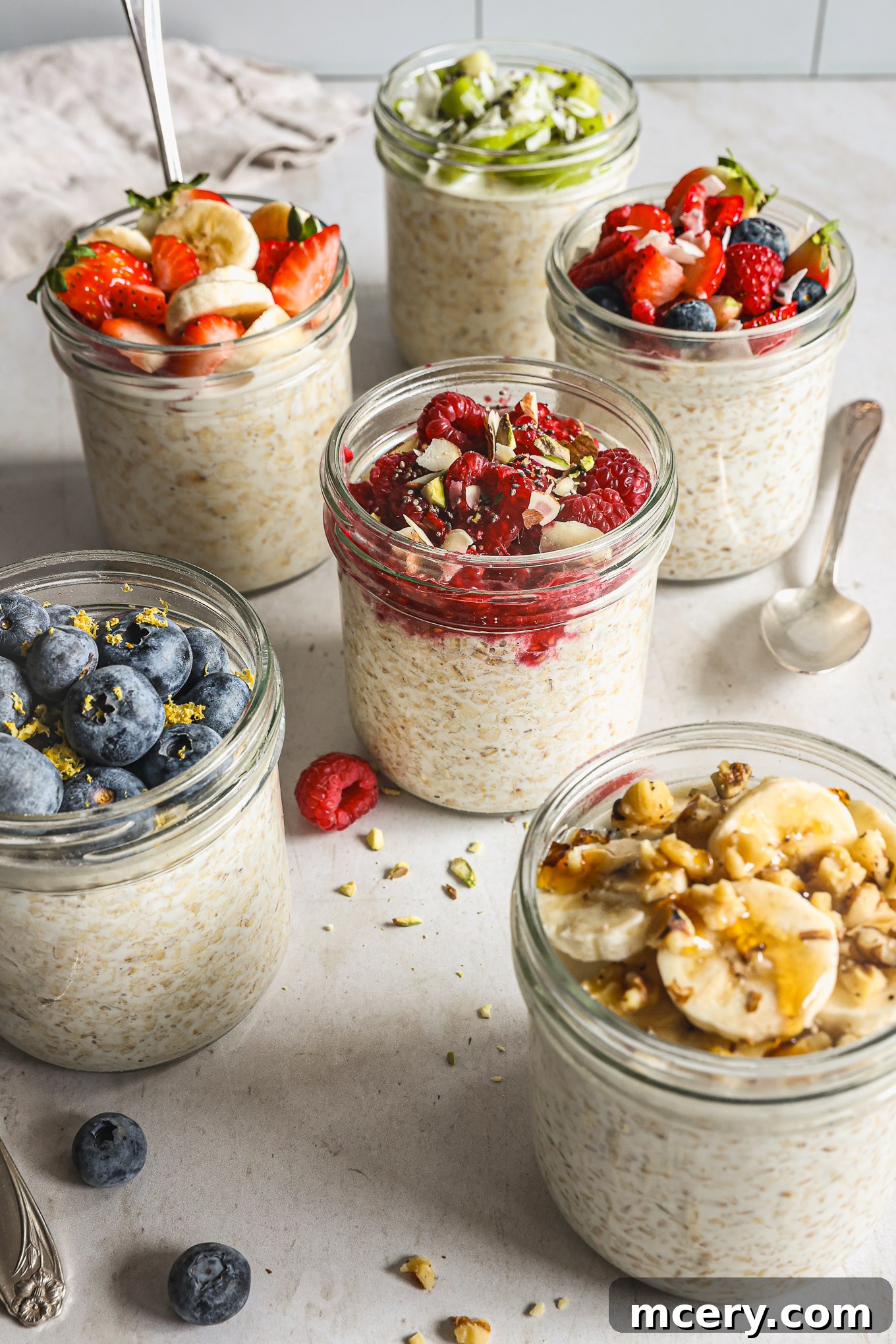
Fresh & Fruity Additions:
- Berries: Fresh strawberries, blueberries, raspberries, and blackberries add natural sweetness, antioxidants, and a burst of color.
- Sliced Fruits: Bananas, apples (sliced or diced), kiwi, mango, peaches, or even roasted pears provide fiber and varied textures.
- Dried Fruits: Raisins, cranberries, chopped apricots, dates, or goji berries offer concentrated sweetness and chewiness.
Crunchy & Nutty Delights:
- Chopped Nuts: Almonds, walnuts, pecans, cashews, or pistachios provide healthy fats, protein, and a satisfying crunch.
- Seeds: Chia seeds (can also be mixed in overnight), flaxseeds, pumpkin seeds, sunflower seeds, or hemp seeds add omega-3s, fiber, and texture.
- Nut Butters: A generous drizzle or swirl of almond butter, peanut butter, cashew butter, or tahini boosts protein and healthy fats, creating a richer flavor.
- Granola: For an extra layer of crunch and flavor, sprinkle your favorite granola on top just before serving.
- Coconut Flakes: Toasted or raw, they add a tropical flavor and unique texture.
Sweeteners & Spices:
- Natural Sweeteners: Maple syrup, honey, agave nectar, brown sugar, or stevia can be added to taste.
- Spices: A dash of cinnamon, nutmeg, cardamom, or even pumpkin pie spice can elevate the flavor profile, especially in cooler months.
- Vanilla Extract: A drop mixed in overnight enhances overall sweetness and aroma.
Creamy & Indulgent Extras:
- Greek Yogurt: A dollop of plain or flavored Greek yogurt adds extra protein and creaminess.
- Chocolate: Dark chocolate chips, cocoa powder, or a swirl of chocolate syrup can turn your breakfast into a decadent treat.
- Jam or Fruit Preserves: A spoonful of your favorite jam or fruit preserves adds a vibrant, fruity layer.
Remember to add most of your toppings right before serving to maintain their freshness and texture. For ultimate flavor and presentation, think about layering your toppings or creating thematic combinations like “Tropical Mango Coconut” or “Berry Almond Crunch.”
Frequently Asked Questions About Overnight Oats
How Long Do Overnight Oats Last?
When stored in an airtight container in the refrigerator, overnight oats will stay fresh and delicious for up to 5 days. This makes them an excellent option for meal prepping several breakfasts at once. However, keep in mind that the oats may become softer and the texture slightly denser the longer they sit. For optimal texture, aim to consume them within 2-3 days.
Do You Eat Overnight Oats Cold or Warm?
Overnight oats are traditionally meant to be enjoyed cold, right out of the refrigerator. Their refreshing chill is part of their appeal, especially on warm mornings. However, if you prefer a warm breakfast, you can easily warm them up! Simply transfer your overnight oats to a microwave-safe bowl and heat for about 60-90 seconds, stirring halfway through, before adding your toppings. Adjust heating time based on your microwave and desired temperature.
Overnight Oats vs. Cooked Oatmeal: What’s the Difference?
The primary difference lies in the preparation method and resulting texture. Cooked oatmeal involves heating oats in liquid (water or milk) on the stovetop or in the microwave until they soften. This process breaks down starches, creating a warm, soft, and often sticky porridge. Overnight oats, on the other hand, require no heat. The oats simply soak in liquid over several hours, absorbing the fluid and softening without the starch breakdown that occurs during cooking. This results in a creamier, denser, and often chewier texture that is served cold. Both offer great nutrition, but overnight oats win on convenience and a different sensory experience.
What is the Ideal Oats to Liquid Ratio?
The standard and most common ratio for overnight oats is 1:1 (one part oats to one part liquid). For example, ½ cup of oats to ½ cup of milk. This ratio generally yields a thick and creamy consistency. However, personal preference plays a big role:
- For Thicker Oats: Use slightly less liquid, or add a tablespoon of chia seeds.
- For Creamier/Runnier Oats: Use a little more liquid (e.g., ½ cup oats to ¾ cup milk), or add extra liquid in the morning.
Experimenting with the ratio is key to finding your perfect texture.
Can I Use Water Instead of Milk?
Yes, you can absolutely use water instead of milk for overnight oats. Using water will result in a lighter, less creamy texture and a more neutral flavor, allowing the flavor of your toppings to shine through more prominently. While milk (dairy or non-dairy) adds richness, protein, and a depth of flavor, water is a perfectly fine and healthy alternative, especially if you’re looking to reduce calories or prefer a simpler base.
Can I Prepare a Big Batch for the Week?
Absolutely! Overnight oats are the ultimate meal prep breakfast. You can easily prepare 3-5 servings at once. Simply multiply the ingredients, divide them into individual airtight containers or jars, and store them in the fridge. This way, you’ll have a healthy and delicious breakfast ready to grab every weekday morning, saving you precious time and reducing decision fatigue. Just add your fresh toppings each morning to maintain their crispness and vibrancy.
Troubleshooting Common Overnight Oats Issues
- Too Mushy? This often happens with quick oats or too much liquid. Try using old-fashioned oats, or reduce the liquid slightly. For quick oats, a shorter soaking time (2-4 hours) might help.
- Too Thick? If your oats are too dense in the morning, simply stir in a splash more milk (or water) until you reach your desired consistency.
- Still Crunchy? If using old-fashioned or quick oats, ensure they’ve soaked for at least 4-6 hours, ideally overnight. If using steel-cut oats, make sure you perform the essential pre-cooking step before refrigeration.
- Too Bland? Don’t forget your mix-ins! Adding a pinch of cinnamon, a tablespoon of sweetener, or a swirl of nut butter before soaking can infuse flavor. Most importantly, load up on exciting toppings in the morning!
- Separation of Liquid? Sometimes the liquid separates a bit, especially with certain non-dairy milks or if you’ve added seeds. A good stir in the morning usually fixes this.
Beyond Breakfast: When Else Can You Enjoy Overnight Oats?
While overnight oats are a breakfast superstar, their versatility means they can shine at other times of the day too:
- Healthy Snack: A smaller portion with some fruit can be a perfect mid-morning or afternoon pick-me-up.
- Post-Workout Refuel: With added protein powder or Greek yogurt, they become an ideal recovery meal.
- Light Dessert: Transform them with toppings like dark chocolate chips, whipped cream, or a fruit compote for a guilt-free sweet treat.
Embrace the flexibility of overnight oats and integrate them into your routine in ways that best suit your lifestyle!
More Delicious & Healthy Breakfast Ideas You Might Love
If you’re looking for more ways to kickstart your day with wholesome and delightful meals, explore these related recipes:
Overnight Oats Recipe Card

What Type of Oats to Use for Overnight Oats: Instructions for Old Fashioned, Quick Oats, and Steel Cut
Rating: 5 from 9 reviews
- Author: Katya
- Prep Time: 5 mins
- Total Time: 5 mins
- Yield: 1 serving
- Category: Breakfast
- Method: No Cook
- Cuisine: American
Print Recipe
Description
Quick and easy breakfast on the go with these overnight oats! Learn how to prepare steel-cut oats, old-fashioned oats, and quick-cooking oats overnight for a perfect grab-and-go meal.
Ingredients
Old-Fashioned Oats:
- ½ cup old-fashioned oats
- ½ cup milk of choice
Quick-Cooking Oats:
- ½ quick-cooking oats
- ½ cup milk of choice
Steel-Cut Oats:
- ¼ cup steel-cut oats
- ¾ cup milk
Instructions
Old-Fashioned & Quick-Cooking Oats
- In an individual food container with a lid, mix oats with milk. Refrigerate overnight.
- In the morning, stir the oats, add toppings of your choice, or warm up the oats in the microwave before adding toppings.
Steel-Cut Oats
- In a microwave-safe bowl, mix oats with milk. Microwave on HIGH for 3 minutes, keeping an eye on the oats so the milk does not boil over. You may have to stop and stir a couple of times. Alternatively, in a small saucepan, bring milk to a gentle simmer over medium-low heat. Stir in oats and simmer for 3 minutes, stirring occasionally.
- Immediately, transfer the oats to an individual food container with a lid, close it shut, and refrigerate overnight.
- In the morning, stir the oats, add toppings of your choice, or warm up the oats in the microwave before adding toppings.
Topping Ideas
- Fresh berries (strawberries, blueberries, raspberries, blackberries)
- Maple syrup, honey, or brown sugar
- Coconut chips or chocolate chips
- Nut butter (almond butter, peanut butter)
- Dried fruit (cranberries, apricots, raisins)
- Nuts (almonds, walnuts, pecans)
- Fruit preserves or jam
- Dash of cinnamon or nutmeg
Notes
- Storing: When stored in an airtight container in the fridge overnight oats will stay fresh for up to 5 days. Just keep in mind that the oats may become softer the longer they sit.
Nutrition
- Serving Size: 1
- Calories: 294
- Sugar: 9.2 g
- Sodium: 78.7 mg
- Fat: 6 g
- Carbohydrates: 40.4 g
- Protein: 11.5 g
- Cholesterol: 18.3 mg
Did you make this recipe?
Tag @littlebrokenblog on Instagram and hashtag it #littlebrokenblog
We hope this guide empowers you to transform your mornings with the incredible ease and deliciousness of overnight oats. If you try our overnight oat recipe, please consider leaving a star rating and share your thoughts and favorite topping combinations in the comments below!
Recipe originally published March 2015.