
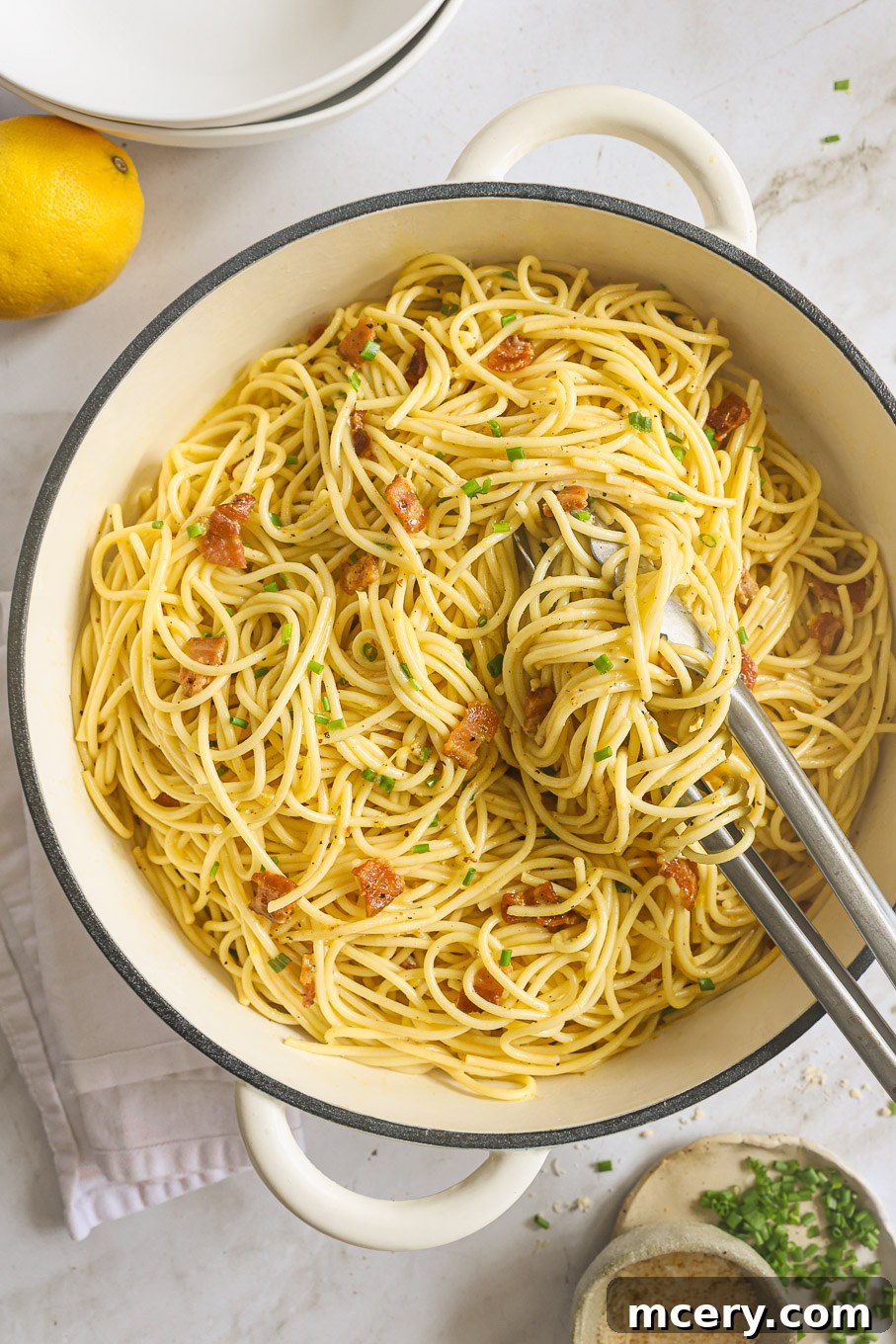
What Sets This Recipe Apart: While the timeless appeal of classic carbonara lies in its unapologetic richness, our unique rendition introduces a brilliant, zesty uplift with the vibrant inclusion of fresh lemon and aromatic herbs. This isn’t just another pasta dish; it’s a culinary experience that perfectly balances the creamy indulgence with a refreshing tang, making every forkful a delightful surprise. You still get the comforting, savory depth of traditional carbonara, but with an added brightness that truly elevates the flavor profile, preventing it from feeling overly heavy.
For more delectable pasta adventures, explore our beloved Hearty Pasta Bolognese recipe, bursting with slow-cooked flavors, or indulge in our Luxurious Creamy Mushroom Pasta, a vegetarian delight that’s equally satisfying and delicious.
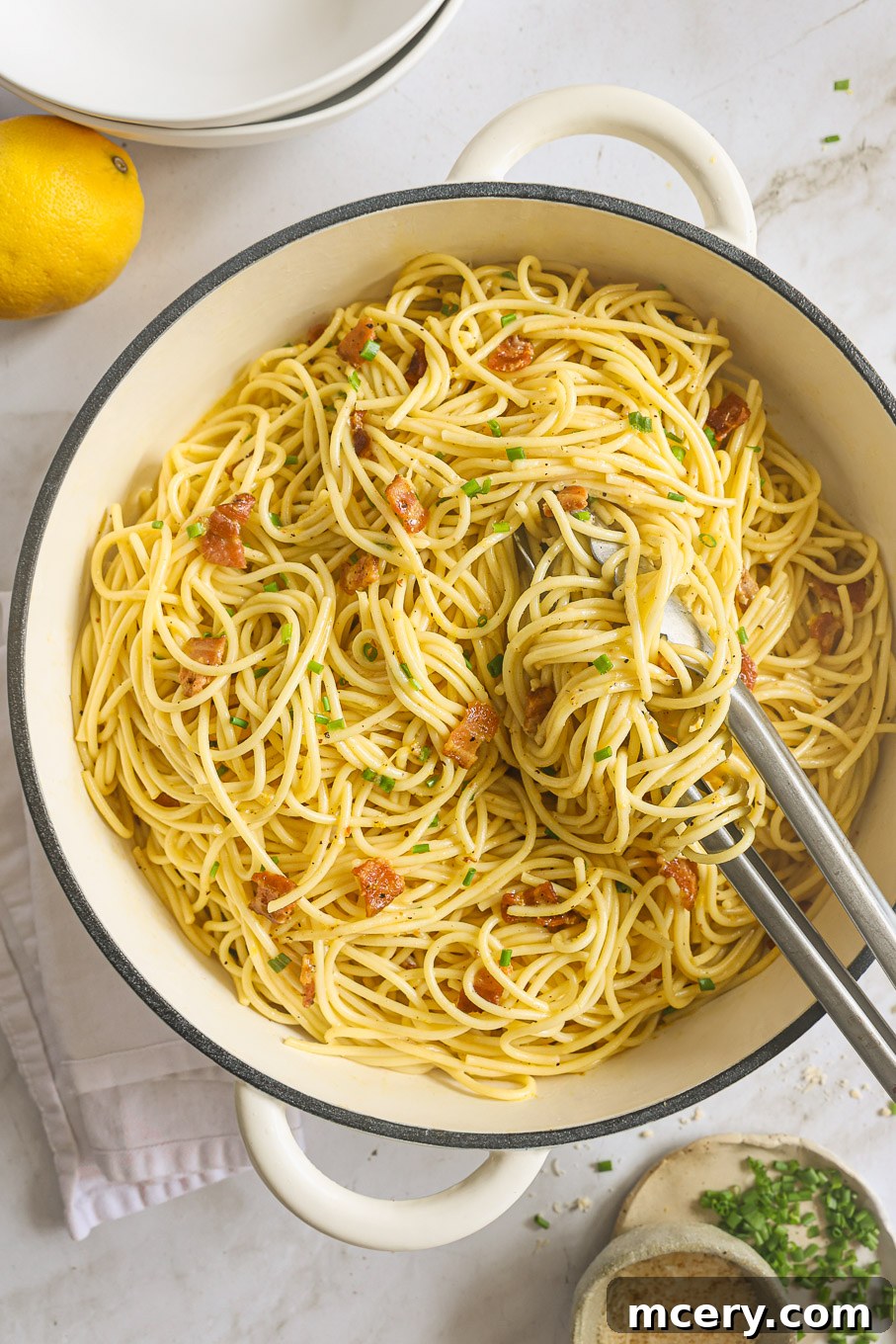
Unveiling the Best Lemon Herb Carbonara Pasta Recipe You’ll Ever Make!
For as long as I can recall, Carbonara pasta has held a special place in my heart, cementing its status as my ultimate comfort food. There’s an undeniable magic in the symphony of its rich, savory flavors, the luxurious embrace of its creamy sauce, and the perfect tenderness of al dente pasta that consistently hits every right note. It’s no exaggeration to say that mastering carbonara was one of the very first culinary skills I ever truly dedicated myself to learning, a testament to my deep affection for this iconic Italian dish.
My journey began with a faithful adherence to the classic Roman preparation. However, as with many beloved recipes, a personal touch often transforms a great dish into an extraordinary one. Over countless iterations and careful refinements, I’ve evolved my version, infusing it with a unique twist that I confidently believe results in the absolute best carbonara recipe you’ll ever have the pleasure of tasting. It retains all the cherished hallmarks of the original: the velvety, egg-based sauce that clings beautifully to every strand of pasta, and the irresistible smoky depth imparted by crispy bacon.
But here’s where the magic truly unfolds: I delicately infuse this traditional base with the bright, aromatic essence of fresh lemon juice, vibrant lemon zest, and a medley of freshly chopped herbs. This thoughtful addition transforms the carbonara, creating a harmonious balance where every bite offers a wonderfully refreshing counterpoint to the inherent richness and savoriness. The citrus and herbs cut through the decadent creaminess, leaving your palate invigorated rather than overwhelmed. The result is a dish that feels undeniably restaurant-worthy—sophisticated, complex, and incredibly satisfying—yet it remains remarkably straightforward and accessible to prepare right in your own kitchen.
Whether you’re a seasoned home cook or just beginning your culinary adventures, this Lemon Herb Carbonara promises to be a memorable addition to your recipe repertoire. It’s a celebration of classic Italian tradition, reimagined with a fresh, contemporary spirit that will have everyone asking for seconds.
What Exactly is Carbonara? Unraveling the Classic Italian Pasta
For those uninitiated into its delicious depths, Carbonara stands as one of Rome’s revered “four pillar” pasta dishes, alongside the equally iconic Cacio e Pepe, Amatriciana, and Gricia. Its origins, steeped in history, are often attributed to Italian charcoal workers – known as carbonari – who would supposedly prepare this hearty, simple dish on their shovels over a crackling fire, offering a much-needed energy boost.
The dish’s name itself, “Carbonara,” is thought to refer to the generous flecks of freshly cracked black pepper that adorn the finished plate, strikingly resembling specks of coal. What truly sets Carbonara apart from countless other pasta creations is its singular combination of key ingredients: eggs (often a mix of whole eggs and extra yolks for richness), a hard, aged cheese like Pecorino Romano or Parmesan, cured pork such as guanciale or pancetta (bacon in our twist), and a generous hand of freshly ground black pepper. The brilliance lies in the technique: raw eggs and cheese are gently emulsified with the hot pasta and a touch of starchy pasta water, creating an incredibly silky, rich, and naturally creamy sauce without the addition of any actual cream. This unique cooking method results in a flavor and texture profile unlike anything else you’ll ever taste, a true testament to Italian culinary ingenuity. Our Lemon Herb Carbonara honors this tradition while adding a refreshing modern twist, making it both familiar and excitingly new.
Essential Ingredients for a Phenomenal Lemon Herb Carbonara
Crafting the perfect Lemon Herb Carbonara begins with selecting quality ingredients that contribute to its rich texture and bright, balanced flavor. Each component plays a vital role in achieving that creamy, zesty perfection.
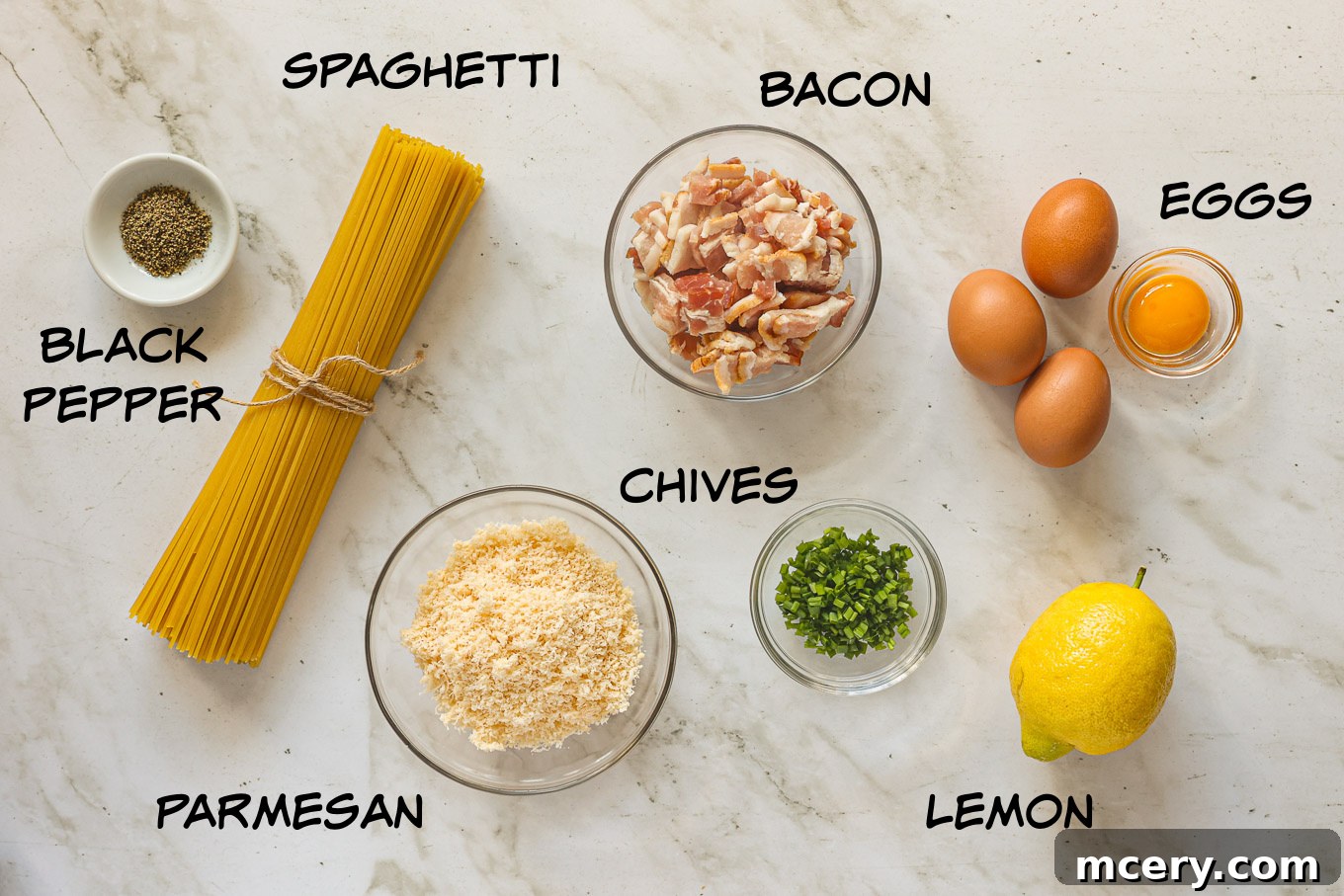
- Pasta: While traditionalists often reach for spaghetti, its long, thin strands are ideal for coating evenly with the luxurious sauce. You can also experiment with other long pasta shapes like bucatini or linguine for a slightly different bite.
- Eggs: The heart of any carbonara sauce. We use a combination of three large whole eggs and one extra egg yolk. The extra yolk adds richness and helps create that incredibly silky, emulsified sauce that defines carbonara, preventing it from becoming watery. Ensure they are at room temperature for best results.
- Parmesan Cheese: Freshly grated Parmesan is non-negotiable for its sharp, salty, and nutty flavor that forms the foundation of the sauce. For a more traditional and pungent Roman flavor, Pecorino Romano is an excellent substitute, offering a bolder, sheep’s milk tang.
- Lemon: This is our recipe’s signature bright twist! You’ll need both the vibrant lemon juice for its acidity to cut through the richness, and the fragrant lemon zest to infuse an intense citrus aroma and a subtle bitter note that complements the savory elements beautifully.
- Black Pepper: Freshly cracked black pepper is not just a seasoning; it’s a staple and a flavor powerhouse in carbonara. Its pungent, aromatic notes are essential for the authentic taste and contribute to the “coal-like” appearance from which the dish gets its name.
- Bacon: Crispy, rendered bacon provides crucial smoky flavor and a delightful textural contrast. While traditional Carbonara often calls for guanciale (cured pork jowl) or pancetta, readily available thick-cut bacon offers a fantastic, robust smoky depth that’s both delicious and convenient.
- Fresh Herbs: The “herb” in Lemon Herb Carbonara! A generous handful of finely chopped fresh herbs like parsley, basil, chives, or a combination, adds a layer of freshness, color, and aromatic complexity that truly brightens the dish. Choose what you have on hand or what you love most.
Choosing the Best Pasta Shape for Your Carbonara
While the iconic spaghetti and its slightly thicker cousin, bucatini, are the traditional darlings of carbonara recipes, the beauty of pasta is its versatility. Both spaghetti and bucatini are excellent choices because their long, round strands offer ample surface area for the rich, creamy sauce to cling to, ensuring every bite is perfectly coated. However, don’t limit yourself! You can successfully substitute other long, thin pasta shapes that offer a similar sauce-carrying capacity. Consider spaghettini for a more delicate touch, angel hair pasta for a quicker cook time, or heartier options like fettuccine or linguine if you prefer a broader noodle. The key is to choose a pasta that can truly embrace and showcase the luscious carbonara sauce, making sure no drop of that deliciousness goes to waste.
Crafting Your Zesty Lemon Herb Carbonara: Step-by-Step Instructions
Get ready to create a truly unforgettable pasta dish. This detailed guide will walk you through each crucial step to ensure your Lemon Herb Carbonara turns out perfectly creamy, zesty, and utterly delicious. For precise measurements, please refer to the comprehensive recipe card below.
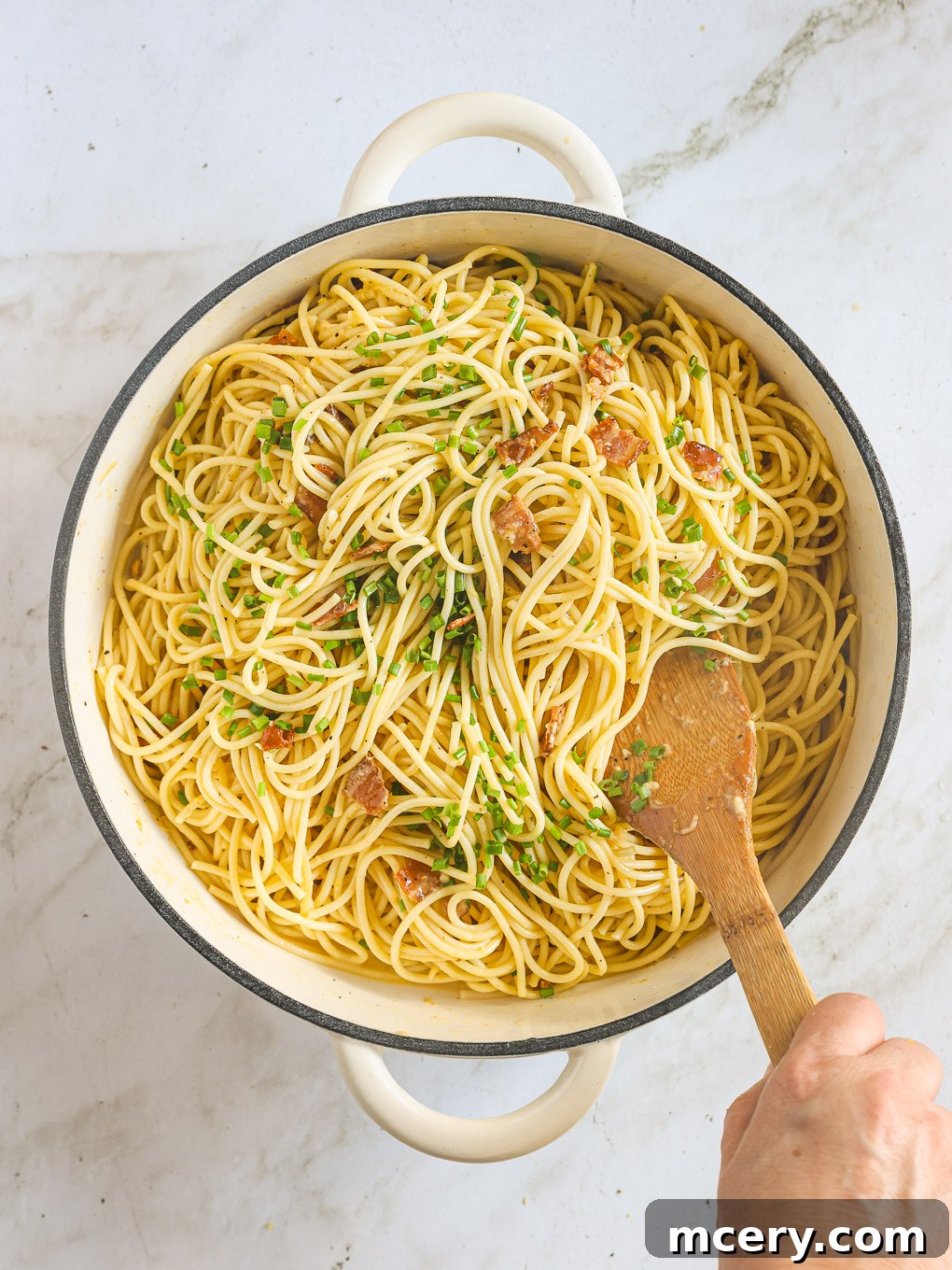
Expert Tips for the Best Lemon Herb Carbonara
Achieving a truly sublime carbonara, especially with our zesty lemon-herb twist, relies on a few key techniques. Follow these expert tips to ensure your dish is nothing short of perfection: smooth, creamy, and bursting with flavor.
- Always Use Room Temperature Eggs: This is a golden rule for carbonara! Eggs that are at room temperature are less likely to seize or scramble when they come into contact with the hot pasta. They will incorporate more smoothly into the sauce, creating that desirable silky texture and preventing any unwanted clumps. Plan ahead by taking your eggs out of the refrigerator at least 30 minutes before you start cooking.
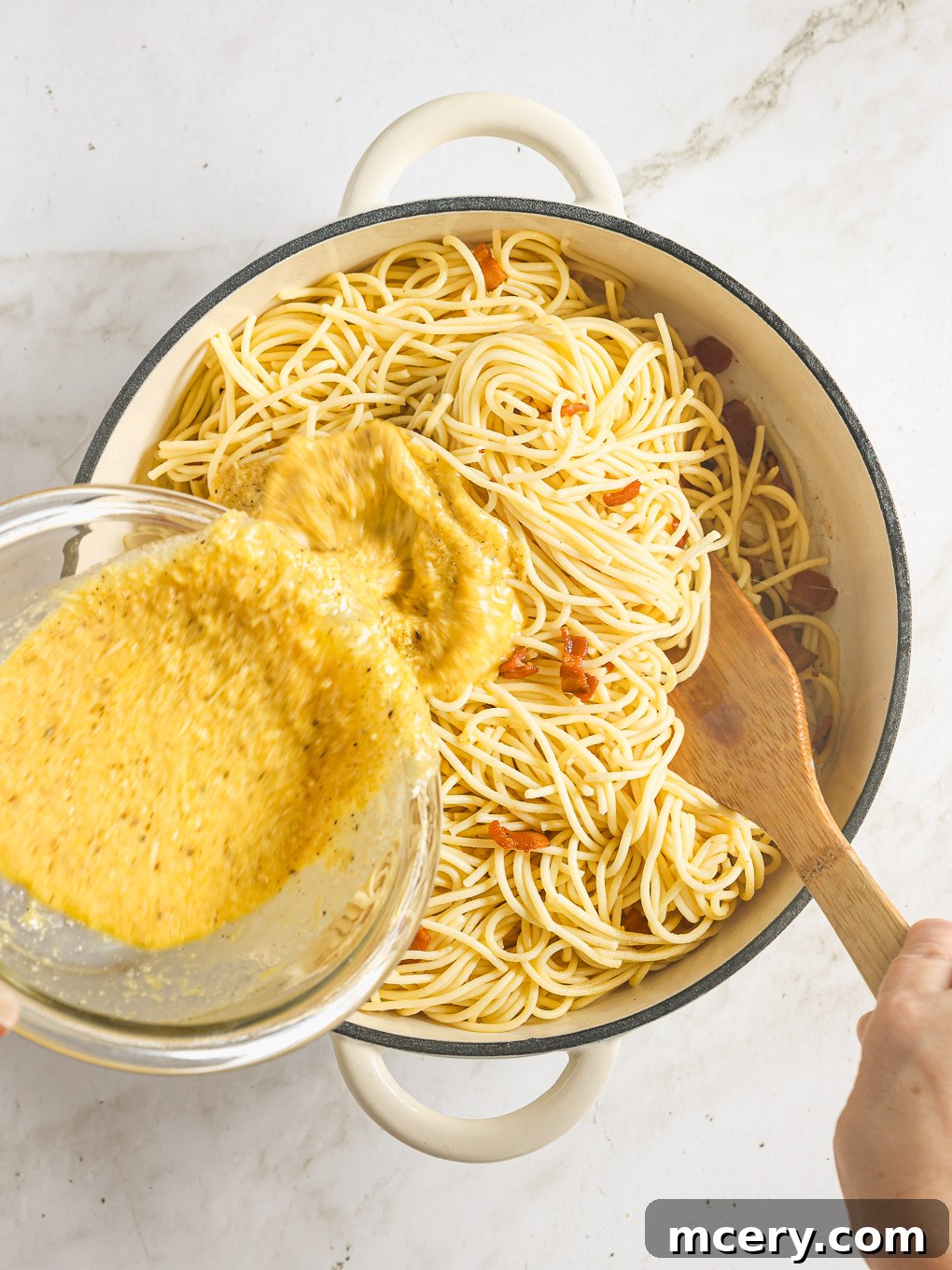
- Remove the Pan from Heat Before Adding Eggs: This tip is absolutely crucial to prevent the eggs from scrambling. The residual heat from the freshly cooked pasta and the warm skillet is sufficient to gently cook and emulsify the egg mixture into a rich sauce without turning it into scrambled eggs. If the pan is still on direct heat, even low heat, you risk overcooking the eggs and ruining the creamy consistency.
- Stir Continuously and Vigorously: Once you add the egg mixture to the hot pasta (off the heat!), continuous and rapid stirring is your best friend. This constant motion distributes the heat evenly, helps emulsify the eggs and cheese with the pasta water and bacon fat, and ensures every strand of pasta is beautifully coated. This rapid stirring is what prevents scrambling and develops that luscious, rich, and cohesive sauce throughout the entire dish.
- Embrace Freshly Cracked Black Pepper: In carbonara, fresh cracked pepper is not merely a seasoning; it’s a star ingredient. Its bold, complex, and aromatic flavor is far superior to pre-ground pepper, which often lacks intensity and can taste flat. The larger, uneven bits of freshly cracked pepper also contribute to the dish’s signature visual appeal, resembling tiny flecks of coal.
- Don’t Forget the Pasta Water: That reserved starchy pasta water is liquid gold! It contains starches from the pasta that are vital for emulsifying the sauce. Add it gradually, a tablespoon at a time, while stirring, until your sauce reaches the perfect smooth and creamy consistency. It’s your secret weapon for a truly professional carbonara.
- Taste and Adjust: Always taste your carbonara before serving. The saltiness from the bacon and Parmesan can vary, so you might need to add a pinch more Kosher salt. Similarly, if you want more zing, an extra squeeze of lemon juice can brighten the flavors further.
Perfect Pairings: What to Serve with Lemon Herb Carbonara Pasta
Our Lemon Herb Carbonara is a wonderfully rich and satisfying dish on its own, but pairing it with the right accompaniments can elevate your meal into a truly balanced and delightful experience. The brightness of the lemon and herbs already lightens the pasta, making it versatile for various side dishes.
I typically find that a refreshing side salad beautifully complements the creaminess of the pasta. Think about serving it with a crisp and vibrant Tomato and Onion Salad, where the acidity of the tomatoes and sharpness of the onion provide a lovely contrast. Alternatively, a cooling Cucumber, Onions, and Vinegar Salad offers a tangy, hydrating counterpoint. For a classic, satisfying crunch, a simple Chopped Wedge Salad with Buttermilk Dressing can also be a fantastic choice. And of course, no pasta meal is complete without a side of warm, Crusty Sourdough Garlic Bread – perfect for soaking up every last drop of that incredible sauce!
If you’re looking to incorporate a bit more protein to make it an even heartier meal, Lemon Herb Carbonara pairs exceptionally well with a range of lighter meat and fish options. Consider tender, savory Roasted Chicken Thighs, a succulent Roasted Half Chicken, or flavorful Lemon Pepper Chicken Tenders to echo the citrus notes in the pasta. For a seafood option, flaky Baked Cod with Panko provides a delicate yet satisfying protein that won’t overpower the carbonara’s nuanced flavors.
Storage and Reheating Your Creamy Lemon Herb Carbonara
One of the best things about a delicious pasta dish is often the joy of leftovers! Our Lemon Herb Carbonara, while best enjoyed fresh, can certainly be saved and savored later with proper storage and reheating techniques.
Once your carbonara has cooled down to room temperature, transfer any leftovers into an airtight container. This will help maintain its freshness and prevent it from drying out or absorbing refrigerator odors. Stored correctly in the refrigerator, your creamy carbonara will remain delicious for up to 3-4 days. Beyond this timeframe, the quality of the sauce and pasta can start to diminish.
It’s important to note that I generally do not recommend freezing this dish. The delicate egg-based sauce is prone to separating and losing its smooth, emulsified texture once thawed. Additionally, pasta can become mushy and lose its desirable al dente bite after freezing and thawing, compromising the overall quality of the dish.
How to Reheat Carbonara Perfectly
For the absolute best results when reheating leftover carbonara, gentle heat and a little extra liquid are key to restoring its creamy texture. Avoid the microwave if possible, as it can often lead to a rubbery texture or separated sauce.
Instead, transfer your leftover carbonara to a skillet and place it over medium-low heat on the stovetop. Add a splash of cream or milk (about 1-2 tablespoons per serving) to help rehydrate and loosen the sauce. Gently stir the ingredients continuously as they warm, being careful not to let the heat get too high. The goal is to slowly bring the pasta back up to temperature and re-emulsify the sauce, preventing the egg mixture from separating or curdling. Stir just until it’s heated through and the sauce has returned to a smooth, creamy consistency. Enjoy your delicious leftovers!
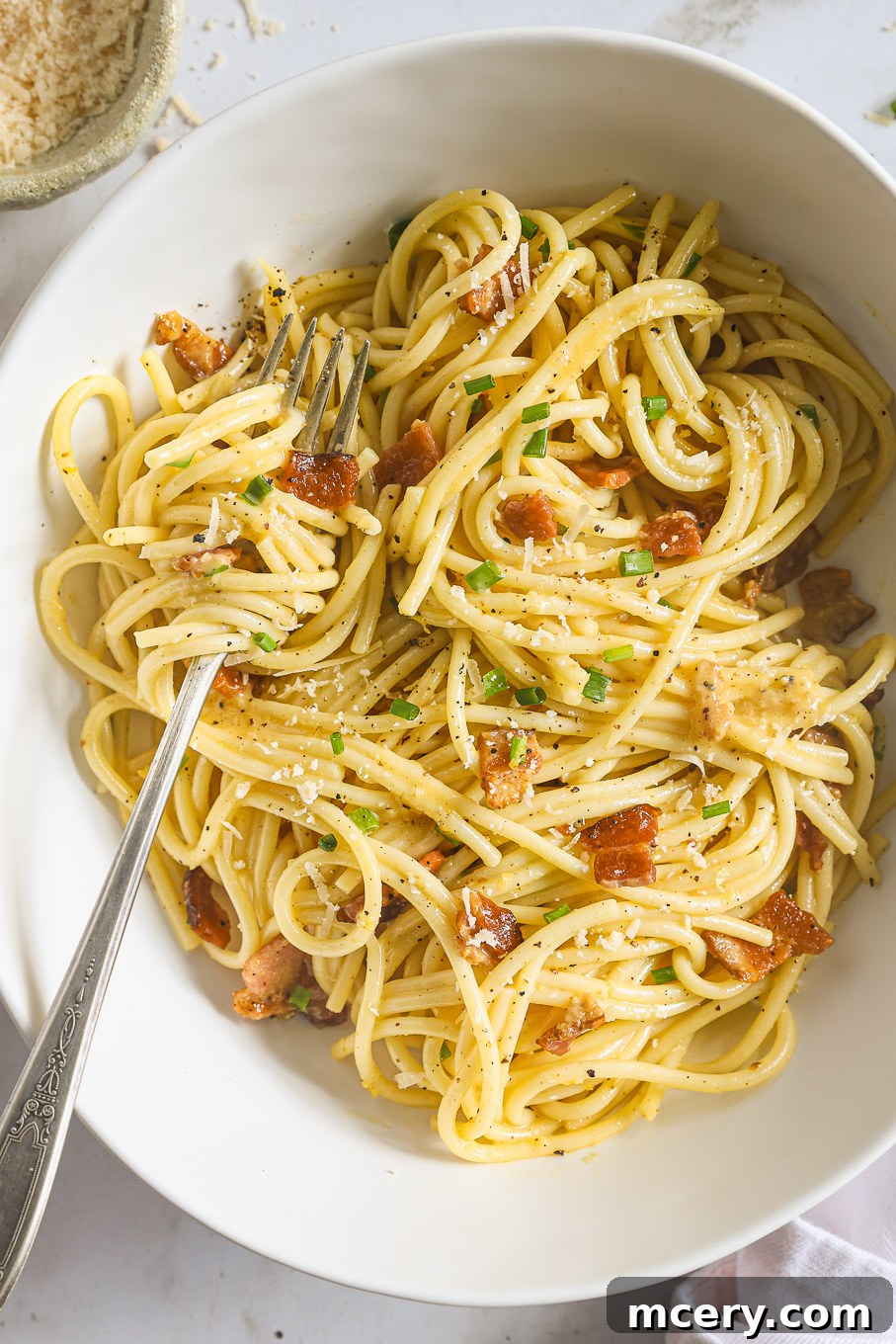
Frequently Asked Questions About Lemon Herb Carbonara
The ultimate golden rule for achieving a perfect carbonara, whether classic or with our lemon-herb twist, is to combine the hot pasta and the egg mixture off the heat. This is paramount for preventing the eggs from scrambling. The residual heat from the pasta and the pan is sufficient to gently cook and emulsify the eggs into a beautifully creamy, smooth sauce, ensuring it clings perfectly to every strand of pasta.
No, while both carbonara and alfredo sauce are beloved for their creamy and cheesy profiles, they are distinctly different in their core ingredients and flavor profiles. Alfredo sauce typically relies on a rich base of butter, heavy cream, and Parmesan cheese. Carbonara, on the other hand, achieves its signature creaminess from an egg base (whole eggs and yolks), hard cheese like Parmesan or Pecorino Romano, and cured pork (bacon, guanciale, or pancetta). As a result, carbonara offers a unique savory, smoky depth that sets it apart from the milder, more buttery taste of alfredo. Our lemon-herb version adds another layer of zesty freshness not typically found in either.
Preventing the eggs from scrambling in your carbonara sauce is a common concern but easily avoided with a few key steps. First, ensure your eggs (and cheese, if possible) are at room temperature. Second, and most critically, always remove the pan with the hot pasta and rendered bacon fat completely from the heat before adding your egg mixture. Finally, stir continuously and vigorously as you pour in the egg mixture. This consistent motion, combined with a little reserved starchy pasta water to help emulsify, will create a smooth, velvety sauce rather than scrambled eggs.
You’ll know the eggs are perfectly “cooked” (emulsified) when the sauce transforms from a liquid mixture into a silky, glossy, and thick consistency that beautifully coats the pasta. It should look homogenous and creamy, not grainy or lumpy. If you’re using an instant-read thermometer for precision, the sauce should ideally reach a temperature between 70-72°F (158-162°F), which is hot enough to cook the eggs safely without scrambling them.
While bacon (or guanciale) provides a signature smoky flavor to carbonara, you can certainly adapt this Lemon Herb Carbonara for a vegetarian option. You can omit the bacon and instead use olive oil to sauté some mushrooms or sun-dried tomatoes for an umami boost. You might also want to add a pinch of smoked paprika or nutritional yeast to the sauce to mimic some of the smoky, savory depth lost from the bacon.
Explore More Delicious Pasta Recipes
If you love pasta as much as we do, don’t stop here! Dive into our collection of other incredible pasta dishes that are perfect for any occasion:
- Quick and Easy 3-Ingredient Alfredo Sauce
- Hearty Baked Ziti Pasta
- 20-Minute Spinach and Sun-Dried Tomato Pasta
- Vibrant Homemade Pesto Pasta
If you try this delightful Lemon Herb Carbonara recipe, please consider leaving a ⭐️ STAR RATING and a COMMENT below! We love hearing how you enjoyed the recipe and your culinary adventures.
Print Recipe
Best Lemon Herb Carbonara Recipe
- Author: Katya
- Prep Time: 15 min
- Cook Time: 30 min
- Total Time: 45 minutes
- Yield: 6 servings
- Category: Main Course
- Method: Stovetop
- Cuisine: Italian
Description
This fresh twist on classic carbonara introduces a bright, zesty kick with aromatic fresh lemon and a blend of vibrant herbs. It retains all the creamy richness you love, but the citrus and herbs create a perfect balance, making it light yet utterly comforting!
Ingredients
- 1 lb. spaghetti
- 3 large eggs + 1 large egg yolk, at room temperature
- 1 cup freshly grated Parmesan cheese, or Pecorino Romano for a sharper bite
- Zest of 1 large lemon, about 1 tablespoon
- 1 tablespoon fresh lemon juice
- 1 teaspoon freshly cracked black pepper, plus more for serving
- 8 ounces thick-cut bacon, diced, about 4 slices
- 2 tablespoons chopped fresh herbs, such as parsley, basil, or chives
- Kosher salt, to taste
Instructions
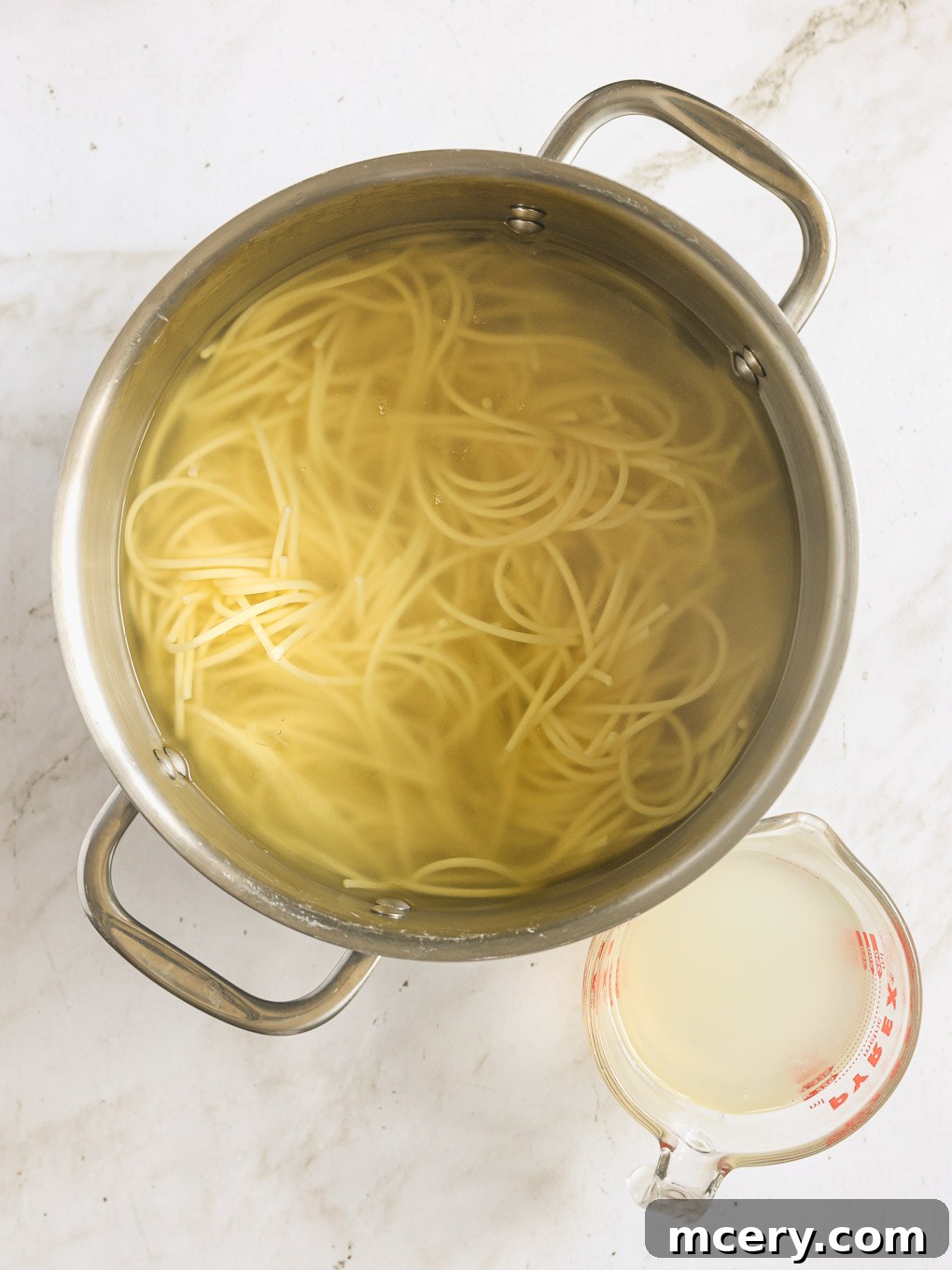
- Bring a large pot of salted water to a boil and cook the spaghetti until just al dente. Remember pasta will continue to cook slightly when combined with the other ingredients. So, remove it from the heat and drain it as soon as it reaches al dente. Before draining, reserve 1 cup of pasta water, then drain.
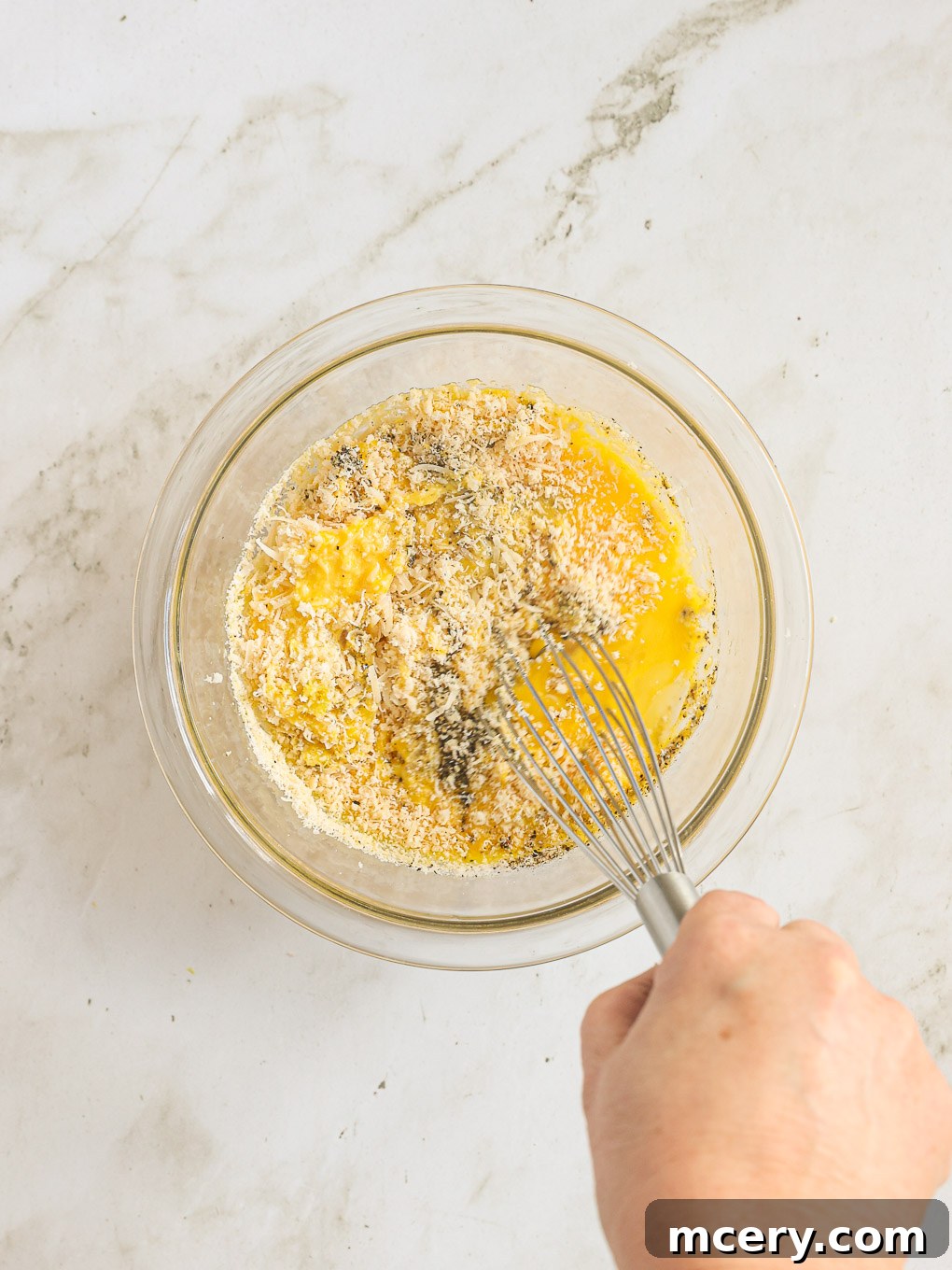
- In a bowl, whisk together the eggs and egg yolk. Then add Parmesan cheese, lemon zest, lemon juice, and black pepper. Whisk in ¼ cup reserved pasta water and set aside. Mixture will be grainy.
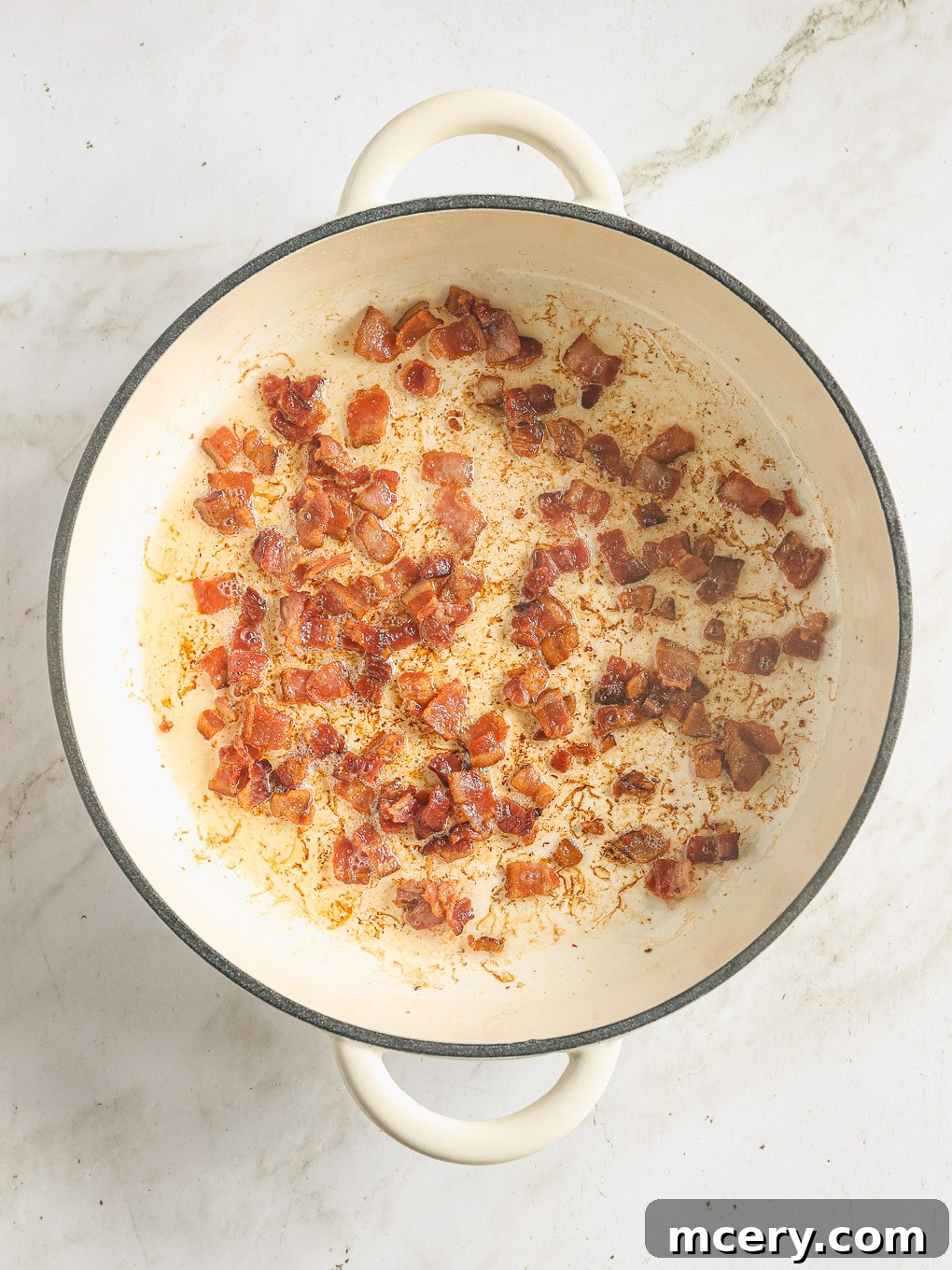
- In a large skillet (or saute pan that’s slightly deeper to fit all of the spaghetti) over medium heat, cook the bacon until crispy and renders fat, about 10-12 minutes.
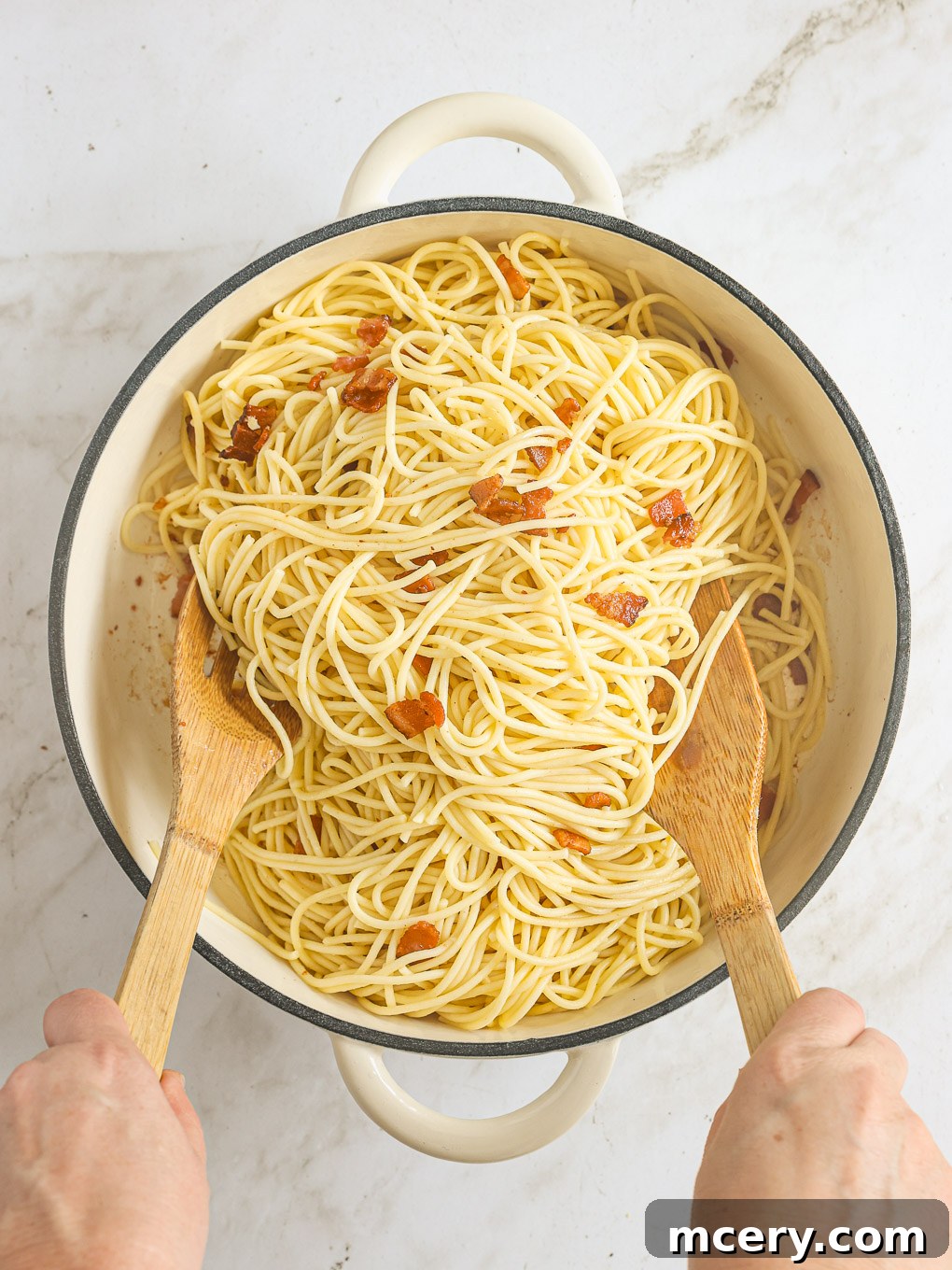
- Remove the skillet from the heat and immediately add the hot pasta to the skillet, tossing to coat in the bacon fat. Quickly pour in the egg mixture, stirring continuously to create a smooth, creamy sauce. Add reserved pasta water, a little at a time, until the sauce reaches your desired creaminess. It should be smooth, not clumpy or scrambled.
- Stir in the fresh herbs and an extra squeeze of lemon juice if desired. Taste and adjust seasoning if needed.
- Divide the pasta into bowls and top with more Parmesan, black pepper, and a sprinkle of herbs for a fresh finish.
Notes
- Key to This Dish: The key to this dish is a glossy, smooth, and creamy sauce, never clumpy or scrambled. To get it just right, stir the egg mixture quickly into hot pasta off the heat. It should be warm enough to gently cook the eggs into a sauce, but not so hot that they curdle. Make sure to use room temperature eggs and stir continuously for that perfect, velvety finish.
- Leftovers: Refrigerate leftovers for up to 3-4 days. Reheat on the stovetop over medium-low heat with a splash of cream or milk.
- Suggested Portion: This is a solid main course for 6 servings, generous but not overly heavy, especially with a side salad or veggies. If you’re serving it as part of a multi-course meal, you could stretch it to 7–8 smaller portions.
Nutrition
- Serving Size: 2 cups
- Calories: 409
- Sugar: 2.3 g
- Sodium: 602.1 mg
- Fat: 9.9 g
- Carbohydrates: 57.8 g
- Protein: 20.7 g
- Cholesterol: 110.2 mg
You May Also Like…