

Homemade Cheese Sauce: Your Ultimate Guide to Creamy Perfection
Embark on a culinary journey to master the art of making homemade cheese sauce from scratch. This comprehensive guide will show you how to transform simple pantry staples into a rich, velvety concoction that will revolutionize your meals and snack times. Once you experience the unparalleled flavor and smooth texture of this incredible cheese sauce, you’ll undoubtedly bid farewell to all store-bought alternatives forever.
For those eager to explore more delightful dips and appetizers, don’t miss our equally popular 4-ingredient guacamole recipe and our zesty jalapeno artichoke dip, perfect for any gathering.

Why You’ll Fall in Love with This Homemade Cheese Sauce!
Who can resist the comforting allure of a perfectly crafted cheese sauce? Its versatility knows no bounds, making it an indispensable component in countless dishes. Whether you’re aiming to create a comforting whole wheat mac and cheese, a decadent creamy mushroom pasta, or simply enhance a humble plate of steamed vegetables, this easy cheese sauce recipe is your secret weapon.
While its applications in main courses are vast, my absolute favorite way to savor this cheese sauce is as a standalone dip. It consistently takes center stage on all my appetizer platters, sitting proudly alongside other crowd-pleasers like my BBQ chicken flatbread and savory sesame chicken wings. The sheer delight of dipping a warm, soft pretzel or a crisp tortilla chip into its molten goodness is an experience you won’t soon forget.
Years ago, after discovering just how incredibly simple it is to whip up a batch at home, I completely stopped relying on store-bought cheese sauces. Over time, I’ve dedicated myself to perfecting this recipe. The result is a sublime balance of rich, tangy flavors and an impeccably creamy consistency that’s thick enough to cling beautifully to dippers yet wonderfully smooth and pourable for traditional sauce applications. This balance is key to its universal appeal.
What makes this recipe even more appealing is its straightforward nature. It comes together effortlessly with just eight core ingredients, most of which you likely already have readily available in your pantry and fridge. With our clear, concise instructions, you can have this exquisite homemade cheese sauce ready to serve in approximately 10 minutes. The end product is so undeniably delicious that you’ll find yourself reaching for it to pair with everything imaginable – from classic pasta dishes to hearty casseroles, crunchy chips, and fresh or roasted vegetables. It truly is a versatile culinary marvel.
The Magic of a Homemade Cheese Sauce
There’s a distinct charm and superior quality that comes with making cheese sauce at home. Unlike many commercial varieties laden with artificial flavors, preservatives, and stabilizers, your homemade version boasts pure, unadulterated flavor. You have complete control over the ingredients, allowing you to select high-quality cheeses and dairy, ensuring a fresher, more vibrant taste. The rich aroma that fills your kitchen as the sauce simmers is just a preview of the deliciousness to come. Furthermore, crafting it yourself guarantees that perfect, silky-smooth texture – a hallmark of a truly excellent cheese sauce.
Essential Ingredients for the Perfect Cheese Sauce
Creating an exceptional cheese sauce begins with selecting the right ingredients. Each component plays a vital role in achieving that sought-after creamy texture and rich flavor. Here’s what you’ll need to gather:
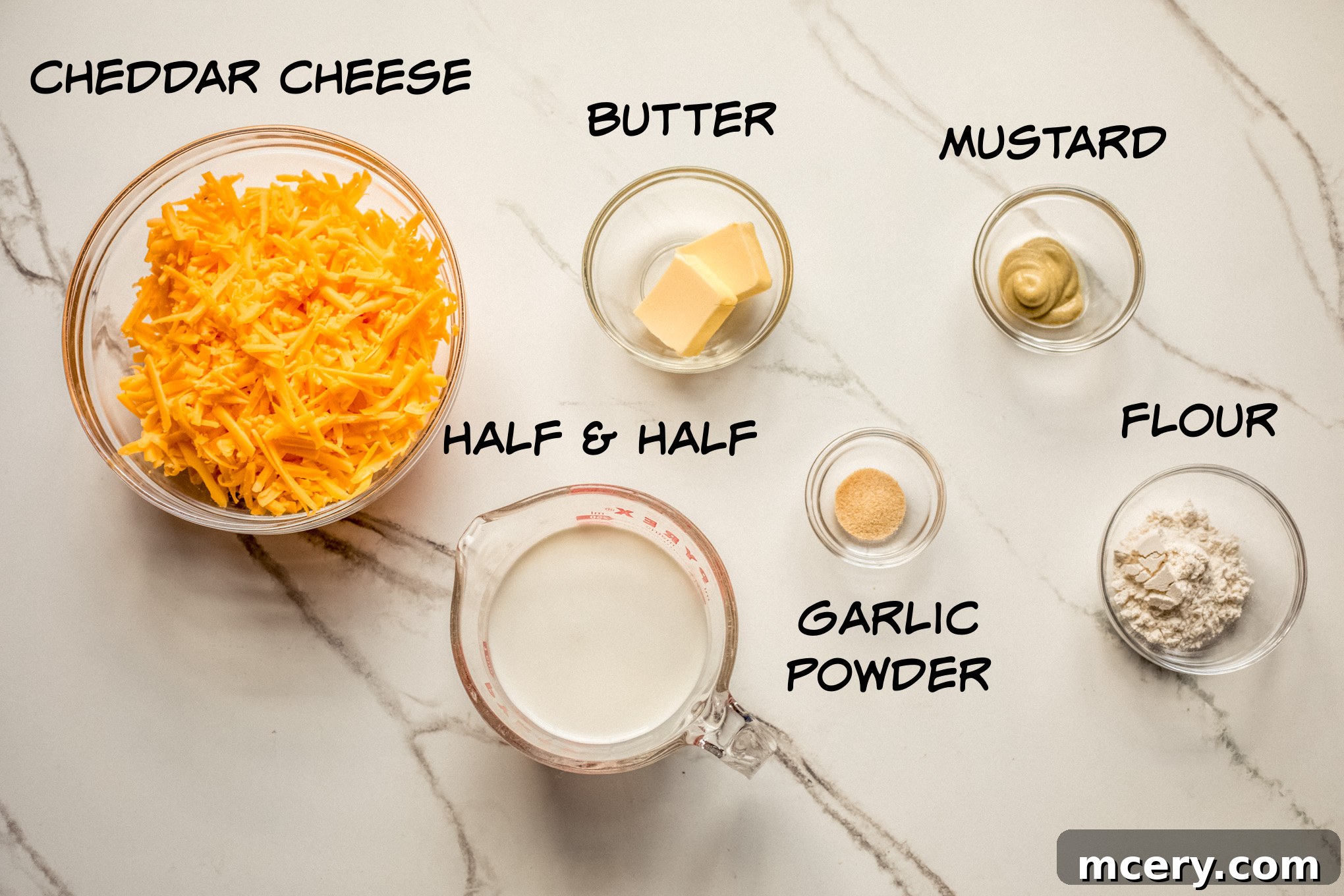
- Unsalted Butter: Starting with real, unsalted butter provides a rich foundation and allows you to control the overall saltiness of the sauce. Its fat content is crucial for a smooth roux.
- All-Purpose Flour: This is the thickening agent that creates a stable, creamy consistency. It combines with the butter to form a roux, which prevents lumps. For those with dietary restrictions, a 1:1 all-purpose gluten-free flour can be used as a suitable alternative without compromising texture.
- Half and Half: The secret to a luxuriously rich flavor and wonderfully creamy consistency. Half and half strikes a perfect balance, offering more richness than milk but being lighter than heavy cream. You can adjust the quantity slightly to achieve your preferred thickness.
- Dijon Mustard: A small but mighty ingredient, Dijon mustard doesn’t make the sauce taste like mustard but rather adds a subtle tanginess and depth, enhancing the cheese flavor and balancing the richness beautifully.
- Spices: A careful blend of garlic powder, salt, and freshly cracked black pepper elevates the flavor profile, adding aromatic complexity and ensuring the sauce is perfectly seasoned.
- Cheddar Cheese: The star of the show! Always buy a block of cheddar cheese and grate it yourself. Pre-shredded cheeses often contain anti-caking agents that can hinder smooth melting. Both mild and sharp cheddar varieties work wonderfully; choose based on your preference for tanginess and intensity. A good quality cheddar provides that classic, comforting cheese sauce flavor.
The Importance of Freshly Grated Cheese
A crucial tip for the best cheese sauce is to always grate your own cheese from a block. Pre-shredded cheeses often contain cellulose or other anti-caking agents to prevent clumping in the bag. While convenient, these additives can make your sauce gritty or prevent it from melting smoothly and evenly. Freshly grated cheese, on the other hand, melts beautifully into a velvety, consistent sauce, making a noticeable difference in both texture and taste.
Step-by-Step Guide: How to Make Cheese Sauce
Crafting this incredible cheese sauce is surprisingly simple and requires minimal equipment. All you’ll need is a single medium saucepan and a whisk. Follow these easy steps, and you’ll have a restaurant-quality sauce in minutes. The full details are also available in the recipe card below.
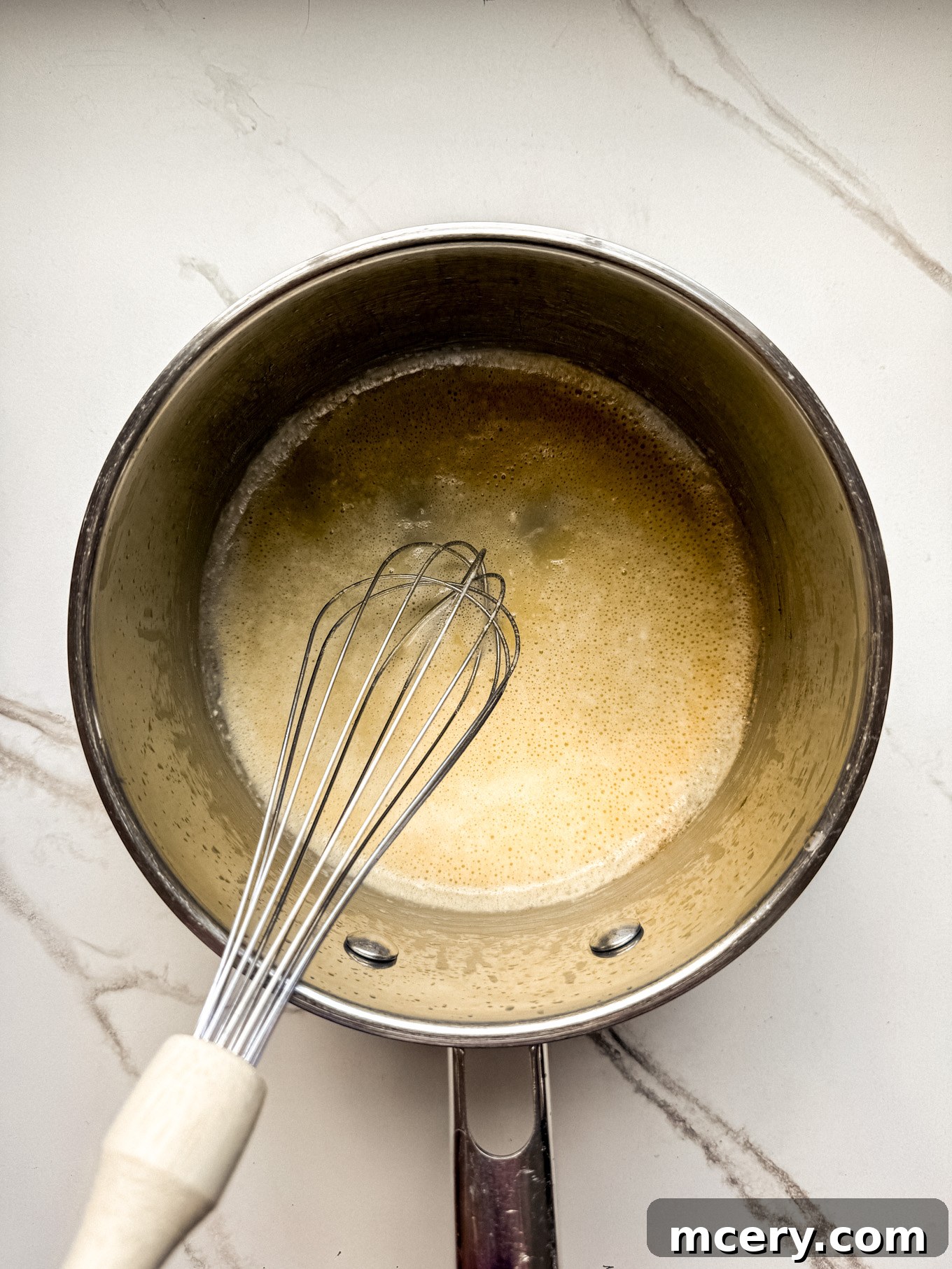
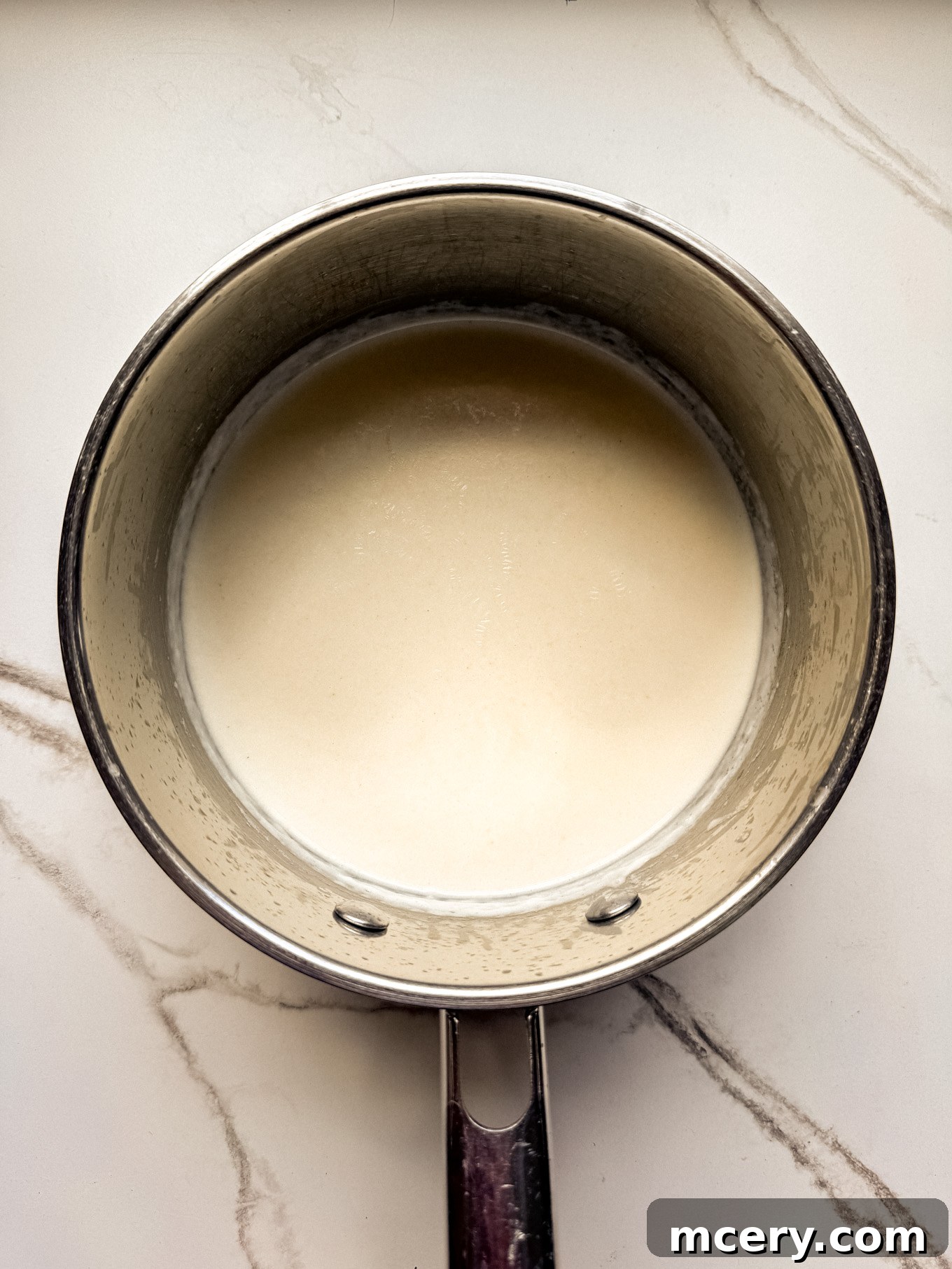
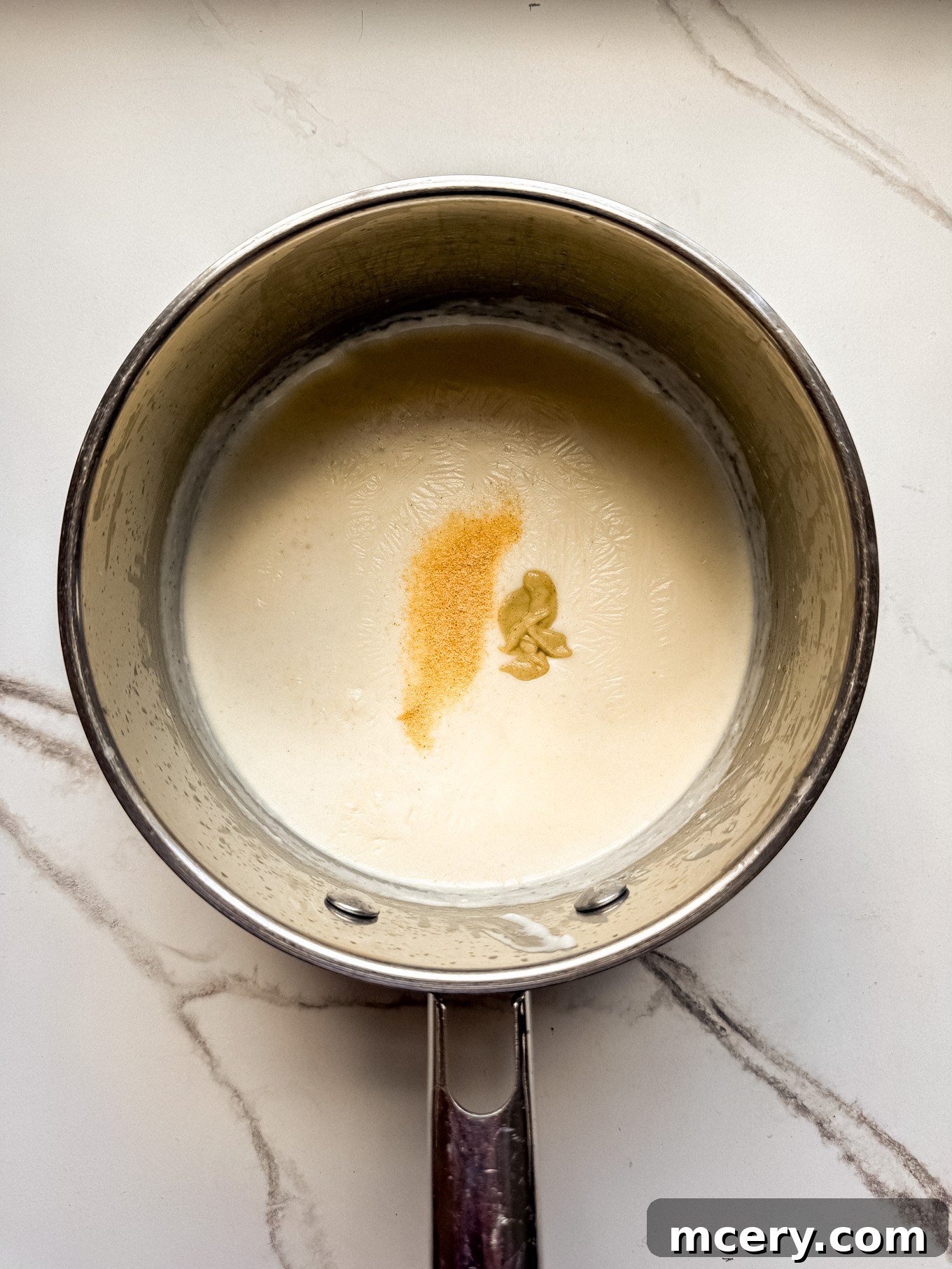
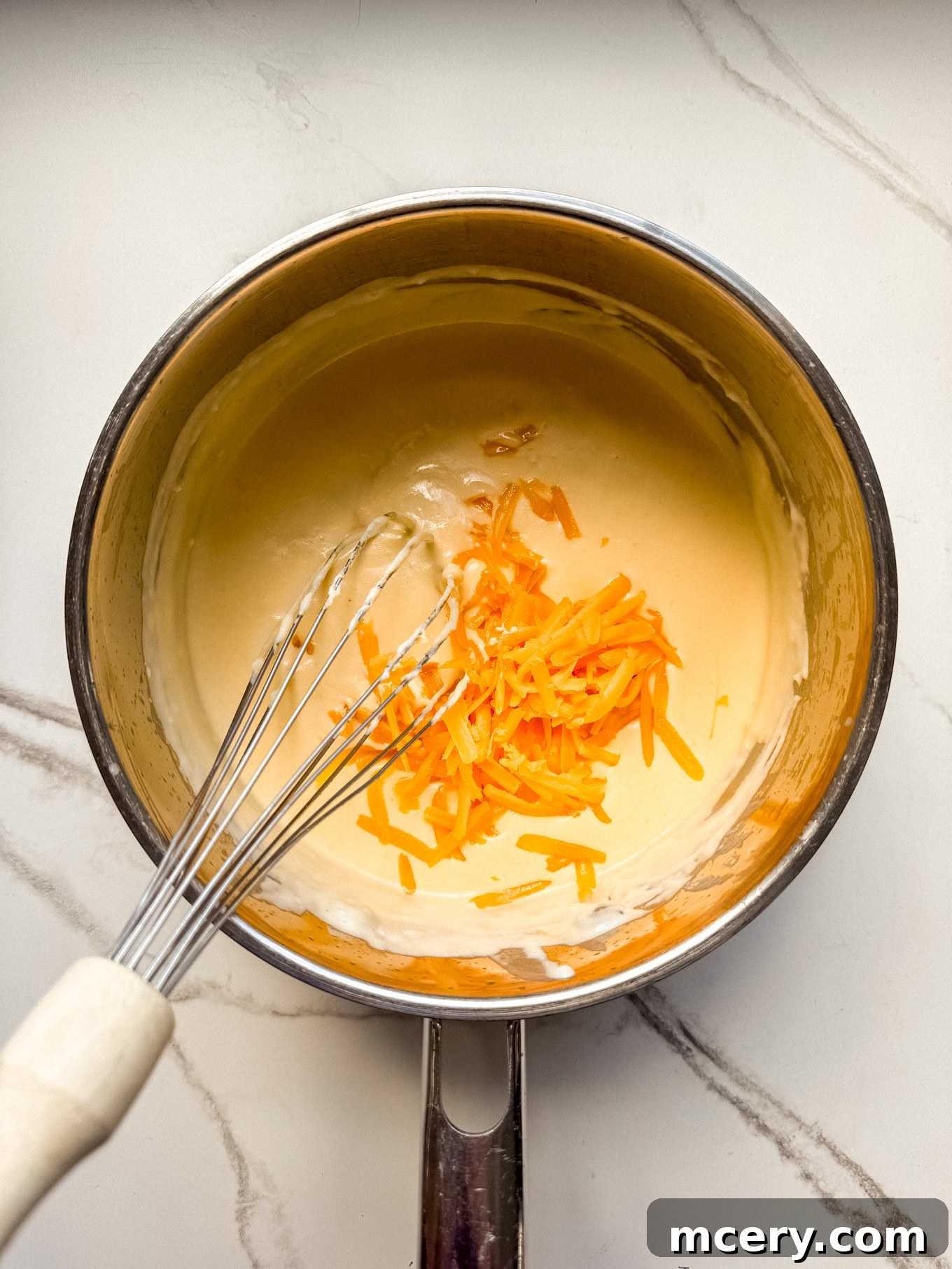
The result is a luscious, irresistible cheese sauce ready to elevate any dish. Serve immediately for the best experience!
Troubleshooting Common Cheese Sauce Issues
Even experienced cooks can encounter challenges when making cheese sauce. Don’t fret if your sauce isn’t perfectly smooth on the first try! Here are common issues and how to easily fix them:
- Sauce is Too Thick: If your cheese sauce becomes too dense, simply whisk in a small amount of additional milk, cream, or even vegetable broth, a tablespoon at a time. Continue stirring continuously over low heat until you achieve your desired smooth consistency. Remember, it’s easier to thin a sauce than to thicken it.
- Sauce is Grainy or Gritty: This is a common issue that typically occurs if the cheese overheats or if the fat content is too low. To rectify this:
- Immediately remove the saucepan from the heat.
- Stir in a splash of warm cream or milk – the added fat can help re-emulsify the sauce.
- Whisk vigorously for a minute or two, or for an even smoother result, use an immersion blender for a few seconds.
- If it still feels gritty, add a little more dairy and let the sauce rest off the heat for a few minutes before stirring again. Gentle, consistent heat is key here.
- Sauce is Oily or Separated: Separation happens when the sauce gets too hot, causing the fat to leach out of the cheese. Try this:
- Remove the sauce from the heat at once.
- Whisk in a teaspoon of warm cream or milk to help bring the emulsion back together.
- Stir constantly and gently until the sauce re-combines and becomes smooth again. Avoid harsh stirring or reintroducing to high heat.
- Sauce is Lumpy: Lumps often form if the flour isn’t fully incorporated into the butter for the roux, or if the dairy is added too quickly without continuous whisking. If lumps appear:
- For minor lumps, continue whisking vigorously over low heat.
- For more stubborn lumps, use an immersion blender directly in the saucepan to blend the sauce until silky smooth. Alternatively, you can pass the sauce through a fine-mesh sieve.
The key to preventing lumps is consistent whisking during the initial steps and not rushing the process. Cheese sauce truly thrives on low and slow heat!
Delicious Variations to Customize Your Cheese Sauce
While the classic cheddar cheese sauce is undeniably perfect, don’t hesitate to get creative! This recipe is incredibly adaptable, allowing you to experiment with different cheeses and flavor enhancers to suit your taste or complement various dishes. Here are some exciting variations to try:
- Explore Different Cheeses: For a more sophisticated and complex flavor profile, try using a blend of cheeses. Combining sharp cheddar with Gruyère adds nutty notes, Monterey Jack offers extra meltiness, and a touch of Parmesan or Pecorino can introduce a salty, umami kick. If you opt for extra-sharp cheddar cheese on its own, your sauce will boast a more pronounced, robust tanginess. Smoked gouda or provolone can also add unique characteristics.
- Dairy Swaps: While half and half provides an ideal balance, you can certainly experiment with other dairy products. For an even richer and thicker sauce, swap the half and half for heavy cream. If you prefer a slightly lighter texture without sacrificing creaminess, whole milk can be used. However, I highly recommend avoiding anything lower in fat (like skim milk) or most non-dairy alternatives, as they may not provide the necessary richness and fat content for a stable, smooth sauce.
- Boost the Seasonings: Elevate the flavor beyond salt and pepper. Incorporate a pinch of onion powder for an additional savory layer, a dash of smoked paprika for warmth and color, or a tiny amount of cayenne pepper or red pepper flakes if you enjoy a subtle heat. A touch of dry mustard powder can also enhance the cheesy notes.
- Savory Add-ins: Take your cheese sauce to the next level with delicious mix-ins that add texture and flavor. Consider folding in:
- Crispy crumbled bacon for a smoky, salty crunch.
- Sweet and savory caramelized onions.
- Diced jalapenos (fresh or pickled) or mild green chiles for a Tex-Mex twist.
- Finely chopped fresh herbs like chives, parsley, or thyme.
- Fully cooked and crumbled ground chorizo for a spicy, meaty dimension.
- A hint of your favorite hot sauce for an extra kick.
Beyond the Dip: Creative Ways to Enjoy Your Homemade Cheese Sauce
The versatility of this creamy homemade cheese sauce extends far beyond a simple dip. Its rich flavor and smooth texture make it an incredible addition to a wide array of dishes, transforming everyday meals into extraordinary culinary experiences. Here are some of our favorite ways to enjoy this liquid gold:
Perfect Dipping Companions:
- Warm and fluffy pretzel bites or a giant soft pretzel.
- Crispy, salty tortilla chips for an instant nacho experience.
- Elegant slices of toasted baguette or crunchy crostini.
- A vibrant assortment of roasted vegetables like tender broccoli florets, caramelized cauliflower, or crispy potato wedges.
- Soft, pillowy breadsticks or savory garlic toast.
- Raw veggie sticks such as carrots, celery, bell peppers, or cucumber for a fresh crunch.
- French fries, tater tots, or onion rings for an indulgent treat.
Elevate Your Main Courses:
Beyond dipping, this sauce shines as a key ingredient in hearty bakes and casseroles. Use it to create a comforting Chicken and Broccoli Pasta Bake, where it binds all the ingredients in a creamy embrace. It also serves as an excellent base for a rich and flavorful Chicken Mushroom and Spinach Lasagna, adding a layer of cheesy goodness that sets it apart. Consider these other applications:
- Macaroni and Cheese: The ultimate classic! This sauce is perfect as the base for the creamiest homemade mac and cheese.
- Loaded Fries or Nachos: Drizzle generously over crispy french fries, sweet potato fries, or a mountain of tortilla chips with your favorite toppings for an epic snack.
- Vegetable Topper: A fantastic way to encourage vegetable consumption. Pour over steamed broccoli, asparagus, green beans, or baked potatoes.
- Breakfast Burritos or Tacos: Add a cheesy dimension to your morning meals.
- Burger or Sandwich Sauce: Spread it on burgers, grilled cheese, or hot dogs for an extra layer of flavor.
- Queso Dip: Add a can of diced green chiles and a touch of cumin for a quick and easy queso.
- Philly Cheesesteak: A truly authentic Philly cheesesteak needs a good cheese sauce, and this one fits the bill perfectly.
Storing and Reheating Your Homemade Cheese Sauce
Proper storage is key to extending the life of your delicious homemade cheese sauce. Follow these guidelines to ensure it stays fresh and ready for your next culinary creation.
Once you’ve enjoyed your sauce, allow it to cool completely to room temperature. Then, transfer it to an airtight container. Stored correctly, your cheese sauce will remain fresh and delicious in the fridge for 3-4 days.
Don’t be alarmed if the sauce hardens and becomes very thick after refrigeration. This is a completely normal occurrence due to the fats in the butter and cheese solidifying when cold. It will return to its creamy state upon reheating.
Can you freeze cheese sauce?
While it is technically possible to freeze this cheese sauce recipe for 1-2 months, I generally do not recommend it. The freezing and thawing process can significantly alter the taste and, more noticeably, the texture of the sauce. It tends to become gritty or separate once thawed, losing its desirable smooth and velvety consistency. The dairy can also sometimes curdle, leading to an unappealing texture.
However, if you do decide to freeze this cheese sauce, ensure it’s in an airtight container. When ready to use, thaw it in the fridge overnight. To reheat, transfer it to a saucepan and warm it gently over very low heat. As it warms, whisk in a splash of milk or cream as needed to help re-emulsify it and bring back its fresh consistency. It is crucial not to let the sauce come to a boil during reheating, as high heat can cause the dairy to curdle, exacerbating any texture issues.

Frequently Asked Questions About Homemade Cheese Sauce
For this particular recipe, avoid adding extra thickeners like cornstarch or more flour once the sauce is cooking. It is designed to thicken naturally as it simmers due to the roux and the melting cheese. If you prefer an even thicker sauce, start with slightly less half and half than recommended and slowly add more as needed until you achieve your desired consistency. Allowing it to simmer for an extra minute or two (while whisking continuously) over low heat can also slightly increase its thickness, but be careful not to overheat the cheese.
Homemade cheese sauce can become grainy for a few primary reasons: the cheese overheats, or there isn’t enough fat in the sauce to keep the emulsion stable. To prevent this, always combine your ingredients over medium-low heat and ensure you’re using full-fat dairy products like half and half or whole milk. Adding the cheese gradually and off the heat (or on very low heat) and stirring constantly until just melted also helps maintain a smooth texture. Using freshly grated cheese rather than pre-shredded varieties (which often contain anti-caking agents) also significantly reduces the risk of graininess.
While cheddar cheese is a classic and reliable choice for its excellent melting properties and robust flavor, the “best” cheese depends on your desired taste profile. Mild or sharp cheddar is ideal for a traditional, comforting sauce. For more complex flavors, consider blending cheeses like Gruyère for nutty notes, Monterey Jack for extra creaminess, or a touch of Parmesan for a sharper, saltier kick. Avoid excessively aged, hard cheeses or very soft, high-moisture cheeses (like fresh mozzarella) when making a roux-based sauce, as they can sometimes lead to an undesirable texture.
Absolutely! This cheese sauce is great for making ahead. Prepare it as directed, allow it to cool completely, and then store it in an airtight container in the refrigerator for up to 3-4 days. When you’re ready to serve, gently reheat it over low heat on the stovetop, whisking frequently. You’ll likely need to add a splash of milk or cream to bring it back to its original smooth consistency, as it will thicken significantly when cold.
This particular recipe is not naturally gluten-free because it uses all-purpose flour for the roux. However, it can easily be made gluten-free by simply substituting the all-purpose flour with a 1:1 all-purpose gluten-free flour blend. Ensure the gluten-free flour blend is designed for baking and cooking to achieve the best results in terms of thickening and texture.
You May Also Like…
If you give our homemade cheese sauce recipe a try, we would love to hear from you! Please consider leaving a star rating and a comment below to let us know how much you enjoyed the recipe. Your feedback helps us and other readers discover delicious new favorites!
Print Recipe

Simple Recipe for Cheese Sauce
★★★★★
No reviews yet
- Author: Katya
- Prep Time: 10 min
- Cook Time: 10 min
- Total Time: 20 minutes
- Yield: 6 servings
- Category: Appetizer
- Method: Stovetop
- Cuisine: American
Description
With just a few simple ingredients, you can whip up a smooth, velvety cheese sauce that’s perfect for dipping, drizzling, or mixing into your favorite dishes. No processed ingredients, no store-bought shortcuts—just pure, cheesy goodness made right in your own kitchen.
Ingredients
- 2 tablespoons unsalted butter
- 2 tablespoons all-purpose flour
- 1 ½ cups half and half
- ½ teaspoon Dijon mustard
- ¼ teaspoon garlic powder
- 1 ½ cups freshly shredded mild or sharp cheddar cheese (cheddar is classic, but you can mix mozzarella, Gruyère, or Parmesan)
- Salt and freshly cracked black pepper, to taste
Instructions
- In a medium saucepan, melt the butter over medium-low heat. Add the flour and whisk constantly for about 1 minute. This cooks off the raw flour taste and creates a smooth base for the sauce.
- Gradually pour in the half and half while continuously whisking to avoid lumps. Continue to cook and whisk until the mixture begins to thicken, about 1-2 minutes. You should have a smooth, creamy consistency.
- Stir in the Dijon mustard and garlic powder.
- Reduce the heat to low and gradually add the shredded cheese, stirring constantly until fully melted and smooth. If the sauce gets too thick, add a little more half and half until you reach your desired consistency. Taste and adjust the seasoning with salt and freshly cracked black pepper.
- Once the sauce is smooth and creamy, remove from heat. Use immediately over pasta, vegetables, or as a dip. Garnish with extra cheese or chopped herbs, if desired. Makes approximately 1 ¾ cups, enough for about 6 servings as a dip.
Notes
- Cheese variety: For a more complex flavor, use a combination of cheeses like sharp cheddar, Gruyère, or Monterey Jack. If you use extra-sharp cheddar cheese on its own, the sauce will have a more pronounced tanginess.
- Keep it smooth: Make sure to use freshly shredded cheese. Buy a block and shred it yourself so it melts quickly and smoothly without anti-caking agents found in pre-shredded varieties.
- Adjust consistency: If you prefer a thinner sauce, add more half and half; for a thicker sauce, let it cook longer while whisking, but be careful not to overheat the cheese.
- Make it gluten-free: Use a 1:1 all-purpose gluten-free flour instead of traditional all-purpose flour.
- Leftovers: Refrigerate cooled sauce in an airtight container for up to 3-4 days. Reheat gently over low heat, adding a splash of milk or cream to restore its creamy texture.
Nutrition
- Serving Size: ¼ cup
- Calories: 213
- Sugar: 3.1 g
- Sodium: 285.1 mg
- Fat: 15.7 g
- Carbohydrates: 8.6 g
- Protein: 9.4 g
- Cholesterol: 45.7 mg
(Nutritional information is an estimate and may vary based on specific ingredients and preparation methods.)