

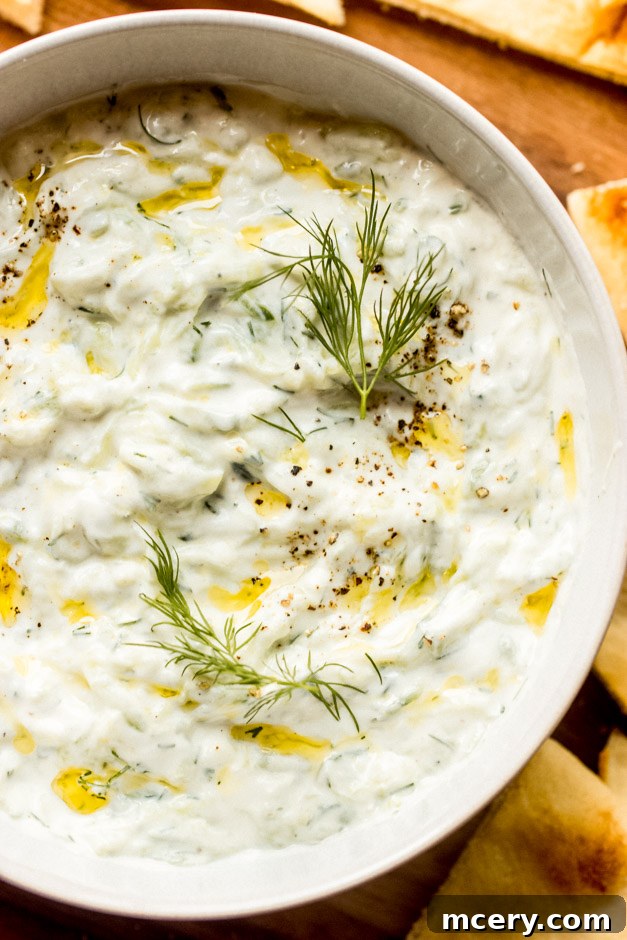
Welcome to the ultimate guide for mastering homemade tzatziki, the iconic Greek cucumber yogurt sauce. This vibrant, creamy, and tangy dip is an indispensable part of Mediterranean cuisine, perfect for spooning over savory Chicken Gyros, serving alongside grilled meats, or simply enjoying as a refreshing dip with fresh vegetables and warm pita bread. Forget store-bought versions; this authentic recipe promises a flavor experience that is truly unmatched, bringing the taste of Greece right to your kitchen.

The Art of Authentic Tzatziki Yogurt Sauce
For years, I’ve perfected this tzatziki yogurt sauce recipe, a staple in my kitchen and a crowd-pleaser for any gathering. Tzatziki, a classic Greek condiment, is celebrated for its incredible freshness, zesty tang, and velvety texture. It’s a simple blend of strained Greek yogurt, crisp cucumbers, aromatic garlic, fresh dill, a hint of lemon, and a drizzle of olive oil, seasoned to perfection.
While many find convenience in grabbing a container of tzatziki from the local grocery store, I assure you that the homemade version transcends all expectations. The difference in flavor, texture, and overall quality is profound. Making it from scratch allows you to control the ingredients, ensuring peak freshness and tailoring the flavors precisely to your preference. It’s a straightforward process that yields incredibly rewarding results, pairing beautifully with a myriad of Greek-inspired dishes or standing alone as a delightful dip.
Let’s dive into the specifics of what makes this homemade tzatziki truly exceptional. From selecting the finest ingredients to mastering the crucial cucumber draining technique, every step contributes to its unparalleled taste and consistency. Prepare to elevate your culinary creations with this essential Mediterranean delight.
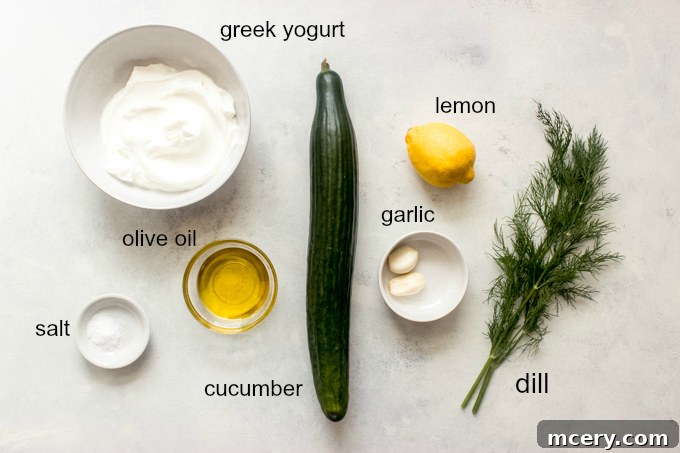
Essential Ingredients for the Best Tzatziki Sauce
Crafting the perfect tzatziki begins with understanding its core components. Each ingredient plays a vital role in achieving that signature fresh, tangy, and creamy profile. Here’s a detailed look at what goes into this beloved Greek cucumber yogurt dip:
Greek Yogurt: The Creamy Foundation
The quality of your Greek yogurt is paramount. For an incredibly rich and full-bodied creamy tzatziki, I highly recommend using whole milk plain Greek yogurt. Greek yogurt is naturally strained, which removes much of its whey (liquid content). This process results in a significantly thicker consistency and a more concentrated flavor compared to regular yogurt. This thickness is crucial for preventing a watery sauce. While whole milk yogurt offers the best texture and taste, you can opt for 2% or even non-fat Greek yogurt if preferred, though the sauce may be slightly less creamy. Ensure it’s plain and unsweetened, as any added sugars will alter the authentic flavor profile.
Cucumber: The Heart of Freshness
Cucumber is the other main star of tzatziki sauce, providing its refreshing crunch and distinctive flavor. English cucumbers are the ideal choice here. They are known for their thin skin, minimal seeds, and sweeter, milder taste compared to common garden cucumbers. Their delicate nature means less bitterness and a more consistent texture when grated. If English cucumbers are unavailable, regular cucumbers can be used, but you might need to peel them more thoroughly and scoop out any large seeds to avoid a watery or bitter sauce.
Garlic: The Pungent Kick
Garlic provides that essential pungent bite that defines tzatziki. For this recipe, one medium clove of garlic is typically sufficient to achieve the perfect balance without overpowering the other delicate flavors. If your garlic cloves are smaller, you might opt for two. The key is to finely process the garlic; using a garlic press or a microplane grater ensures it integrates smoothly into the sauce without large, discernible chunks, allowing its potent flavor to distribute evenly.
Fresh Dill: Aromatic Herbaceousness
Fresh dill is non-negotiable for authentic tzatziki. Its vibrant, feathery fronds not only infuse the sauce with a bright, slightly anise-like flavor but also add a beautiful touch of green color. Dried dill simply doesn’t compare in terms of flavor intensity or aromatic quality; it lacks the freshness and complexity that fresh dill brings to the dish. If fresh dill is absolutely not an option, fresh mint can be a delicious alternative, often found in other regional variations of cucumber yogurt dips.
Lemon Juice: The Brightening Agent
Some traditional tzatziki recipes use white vinegar for acidity, but I find that fresh lemon juice adds a superior, brighter, and more invigorating citrus note to the sauce. It cuts through the richness of the yogurt and complements the freshness of the cucumber and dill beautifully, enhancing the overall tanginess without being harsh.
Olive Oil: The Finishing Touch
A good quality extra virgin olive oil is used to finish the tzatziki. It adds a silken richness and a subtle fruity note, bringing all the flavors together harmoniously. It’s often drizzled on top just before serving, both for taste and aesthetic appeal. Along with the olive oil, kosher salt and freshly ground black pepper are crucial for seasoning, bringing out the best in all the ingredients. Always taste and adjust these seasonings before serving.
Versatile Uses for Homemade Tzatziki Sauce
One of the many charms of tzatziki is its incredible versatility. It’s far more than just a dip; it’s a condiment that can elevate countless dishes. For the best flavor development, prepare your tzatziki at least an hour before you plan to serve it, allowing the ingredients to meld. In fact, its flavors often deepen and improve overnight, making it an excellent make-ahead option for busy days or entertaining. Here are some of our favorite ways to enjoy this delightful Greek cucumber yogurt sauce:
- Classic Accompaniment: The quintessential pairing for Chicken Gyros, Pork Souvlaki, or any grilled lamb or beef dishes. It adds a refreshing contrast to rich meats.
- Appetizer Dip: A star on any Crudite platter, offering a healthier, flavorful alternative to heavier dips. Serve with carrot sticks, bell pepper strips, celery, and cherry tomatoes.
- Pita Bread & Chip Dip: Indulge with warm, fluffy pita bread, pita chips, or even your favorite tortilla chips.
- Grilled & Roasted Vegetable Enhancer: Drizzle over grilled asparagus, roasted bell peppers, or particularly delicious on roasted zucchini for an added layer of flavor and creaminess.
- Chicken & Meat Marinade/Topping: A dollop on grilled chicken drumsticks, kebabs, or even salmon. It can also act as a tenderizing marinade.
- Salad Bowls & Grain Bowls: A wonderful dressing or topping for vibrant Mediterranean-inspired salad bowls or hearty grain bowls, adding moisture and tang.
- Sandwich & Burger Spread: Replace mayonnaise or other spreads with tzatziki in sandwiches, wraps, or on turkey burgers for a fresh, zesty kick.
- French Fry & Potato Dip: A surprisingly delightful dip for baked potato fries, sweet potato fries, or roasted potatoes.
- Pita Pockets & Wraps: Elevate a simple chicken salad pita or any veggie wrap with a generous spread of tzatziki.
- Legume & Grain Salads: Stir into a refreshing chickpea salad or lentil salad for added creaminess and flavor complexity.
- Creative Tacos: A unique and delicious topping for grilled chicken tacos or fish tacos, offering a cool counterpoint to spicy elements.
How to Make the Best Greek Yogurt Tzatziki Sauce: A Step-by-Step Guide
The secret to crafting the absolute best homemade tzatziki sauce lies in one crucial, often overlooked, step: thoroughly draining the cucumbers, not just once, but twice. This essential technique prevents the cucumbers from releasing excess moisture and watering down your beautifully creamy sauce. Skipping this step is the most common mistake home cooks make, leading to a thin, less flavorful tzatziki. Follow these steps for a consistently perfect result:
Katya’s Pro Tip: For the finest texture and optimal moisture removal, I strongly recommend using a box grater to grate your cucumbers. Avoid finely chopping, as this can release less moisture and result in a less uniform texture.
Step 1: Prepare the Cucumber for Optimal Drainage
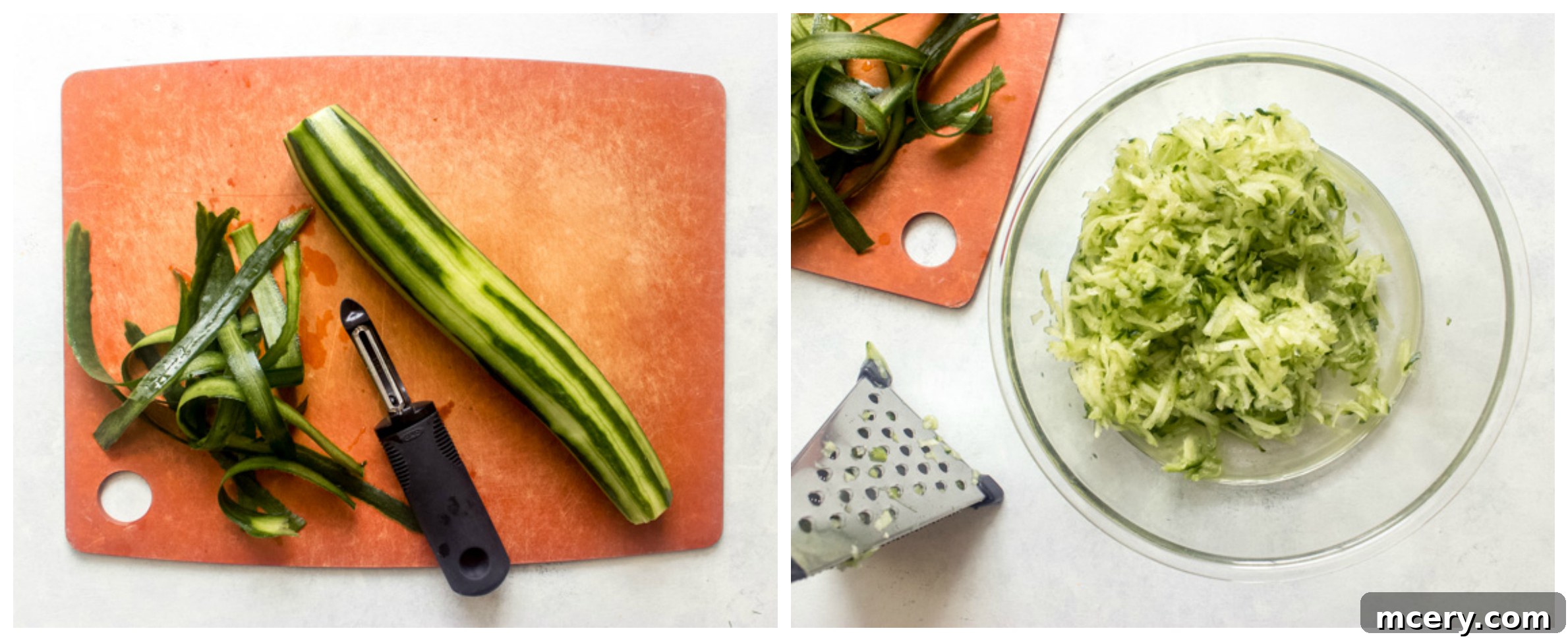
Begin by trimming the ends of your English cucumber. With its thin skin, peeling is often optional, but if you prefer a smoother texture or are using a common cucumber variety, lightly peel the skin with a vegetable peeler. It doesn’t need to be perfect. Using the larger holes of your box grater, grate the cucumber directly over a clean bowl. This collects any immediate moisture released during grating.
Step 2: Initial Squeeze to Remove Excess Water
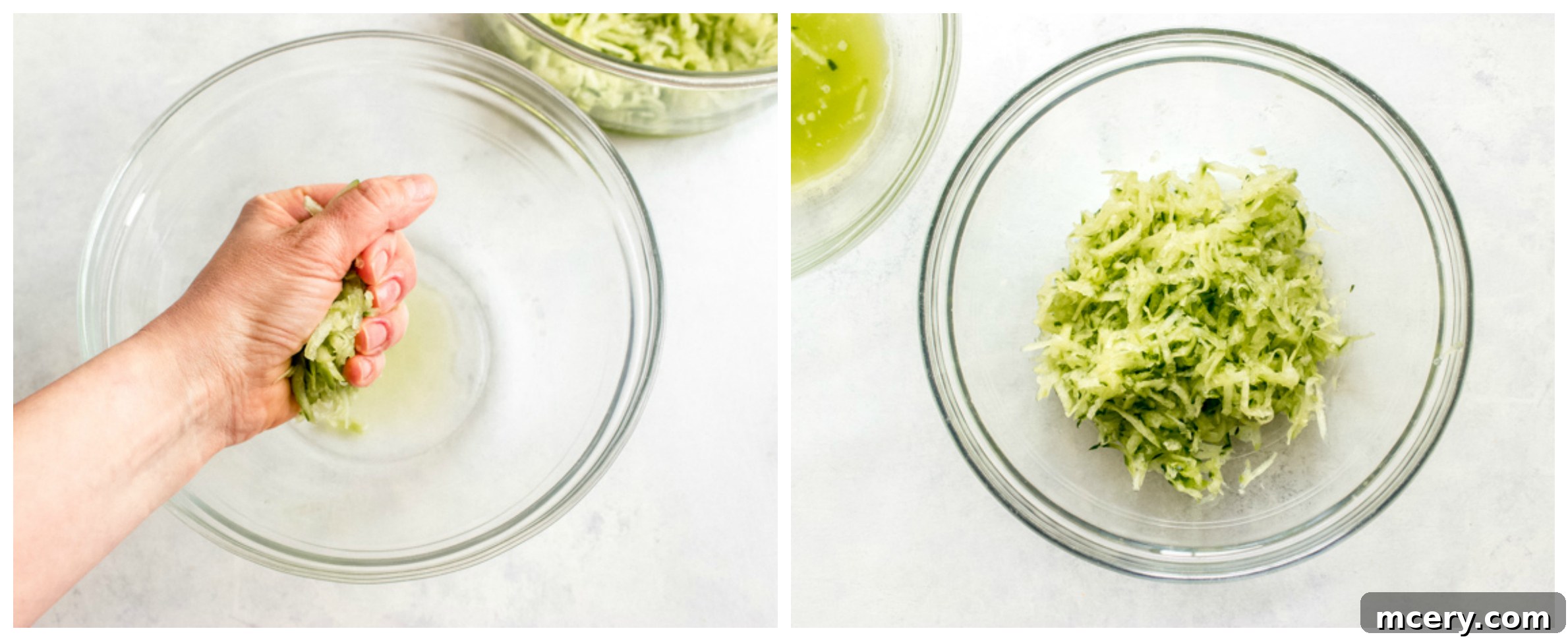
Once grated, take a handful of the cucumber and lightly squeeze it between the palms of your hands. Do this over the sink or the bowl you used for grating, allowing the liquid to drain away. This initial squeeze removes a significant amount of surface moisture. Transfer the squeezed cucumber into a separate, clean bowl.
Step 3: The Critical Double Drain for a Thick Tzatziki
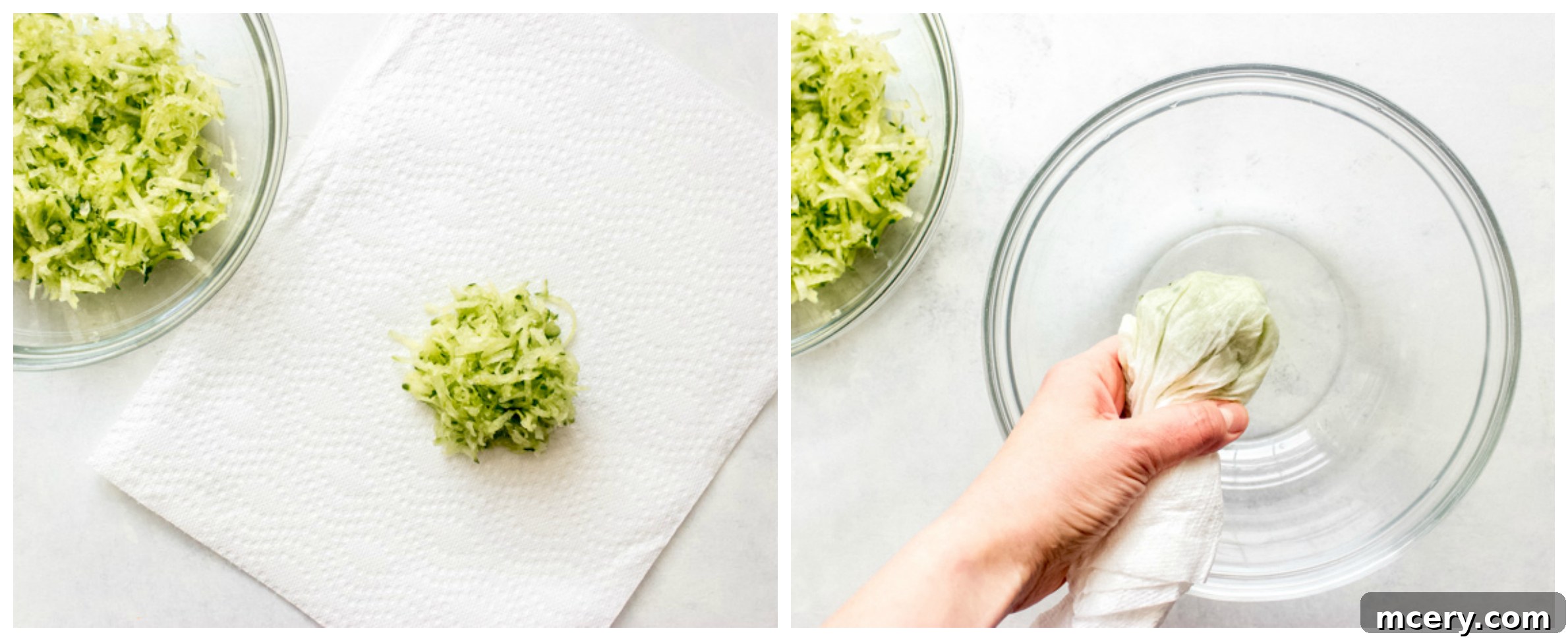
For an even drier cucumber—and thus a thicker tzatziki—take another handful of the already squeezed cucumber. Wrap it tightly in a clean kitchen towel or a few layers of paper towel. Squeeze firmly to extract any remaining excess moisture. You’ll be surprised how much more water comes out! Repeat this process with the rest of the cucumber. This double-draining technique is the real game-changer. Place the thoroughly squeezed and dried cucumber into a clean mixing bowl.
Step 4: Combine All Ingredients for Flavor Harmony
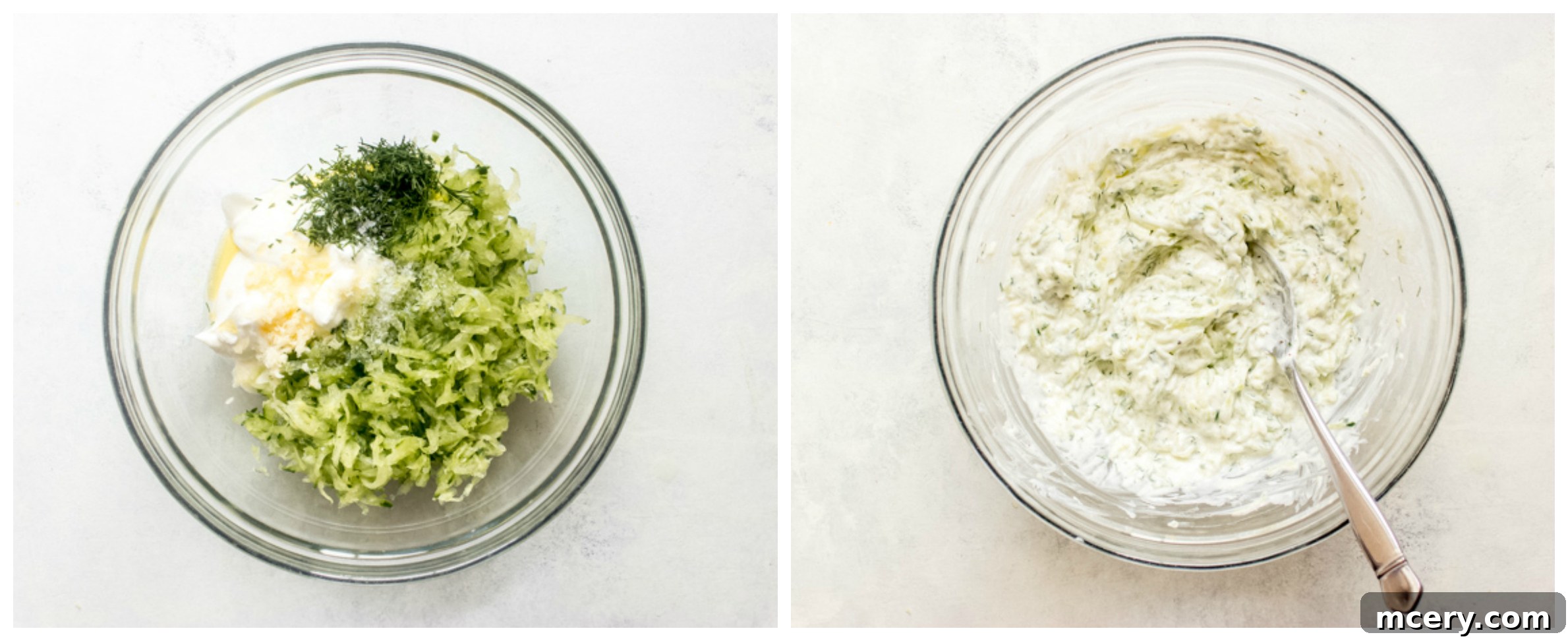
To the prepared, well-drained cucumber in your mixing bowl, add the remaining ingredients: the thick Greek yogurt, finely pressed or grated garlic, fresh dill, fresh lemon juice, olive oil, a generous pinch of kosher salt, and freshly ground black pepper. Stir all the components together thoroughly until they are well combined and the sauce has a uniform, inviting appearance.
Step 5: Chill and Serve for Enhanced Flavor
Once mixed, cover the bowl of tzatziki and refrigerate it for at least 1 hour. This chilling period is crucial, as it allows all the distinct flavors to meld and harmonize, creating a more cohesive and delicious sauce. Before serving, give it a final stir and taste for seasoning. Adjust the salt, pepper, or lemon juice as needed to suit your palate. The wait is worth it for that perfectly balanced flavor!
Storing Homemade Tzatziki Sauce
Proper storage is key to enjoying your delicious homemade tzatziki for as long as possible. Once prepared, transfer the tzatziki to an airtight container and store it in the refrigerator. It will maintain its freshness and best quality for up to 4 days. As cucumbers can continue to release some moisture over time, it’s a good idea to give the sauce a quick stir before each serving to re-blend any accumulated liquid and maintain its creamy consistency.
It’s important to note that I do not recommend freezing tzatziki sauce. The high water content in both the yogurt and cucumber means that freezing and thawing will significantly alter the texture of the sauce, often resulting in a grainy or separated consistency that is far from desirable. For the best experience, always enjoy your tzatziki fresh and within the recommended refrigeration period.

If you’ve followed our guide and made your own tzatziki yogurt sauce, we’d love to hear from you! Please leave a ⭐️STAR rating and a COMMENT below, letting us know how you liked the recipe and your favorite way to enjoy it.
Print Recipe

Tzatziki Yogurt Sauce
5 from 1 review
- Author: Katya
- Prep Time: 20 min
- Total Time: 20 minutes
- Category: Main
- Method: Mixed
- Cuisine: Greek
Description
Sharing the best tips and tricks on how to master tzatziki yogurt sauce. It’s the best sauce to spoon over gyros or to serve as a dip with veggies and pita bread.
Ingredients
- 1 (12 oz.) English cucumber
- 1 cup plain whole milk Greek yogurt
- 1–2 cloves garlic, pressed or grated with a microplane
- 3 tsp. finely chopped fresh dill
- 2 Tbsp. fresh lemon juice
- 3 tsp. olive oil
- ½ tsp. kosher salt
- Fresh black pepper, to taste
Instructions
- Trim the ends of the cucumber and peel the skin with a vegetable peeler (optional for English cucumbers). Grate the cucumber over a bowl, using the larger holes of a box grater.
- Lightly squeeze the grated cucumber between the palm of your hands over the sink or a bowl. Place the squeezed cucumber into a clean bowl.
- Wrap a handful of squeezed cucumber in a clean kitchen towel or a few sheets of paper towel and squeeze firmly to remove excess moisture. You can do this over a sink or the same bowl previously used. Place the thoroughly squeezed cucumber into a clean mixing bowl.
- To the cucumber, add the yogurt, garlic, dill, lemon juice, olive oil, salt, and pepper. Stir to combine thoroughly.
- Cover and chill the tzatziki for at least 1 hour to allow flavors to meld. Taste for salt and acidity before serving and adjust as needed.
Notes
- For best results, always use plain whole milk Greek yogurt for optimal creaminess and fresh dill for authentic flavor.
- Storing: Homemade tzatziki sauce can be stored in an airtight container in the refrigerator for up to 4 days. Stir well before serving to re-incorporate any moisture that may have settled. Freezing is not recommended as it alters the texture.
Nutrition
- Serving Size:
- Calories: 52
- Sugar: 2.3 g
- Sodium: 214.2 mg
- Fat: 3.7 g
- Carbohydrates: 3.6 g
- Protein: 1.7 g
- Cholesterol: 5.3 mg