
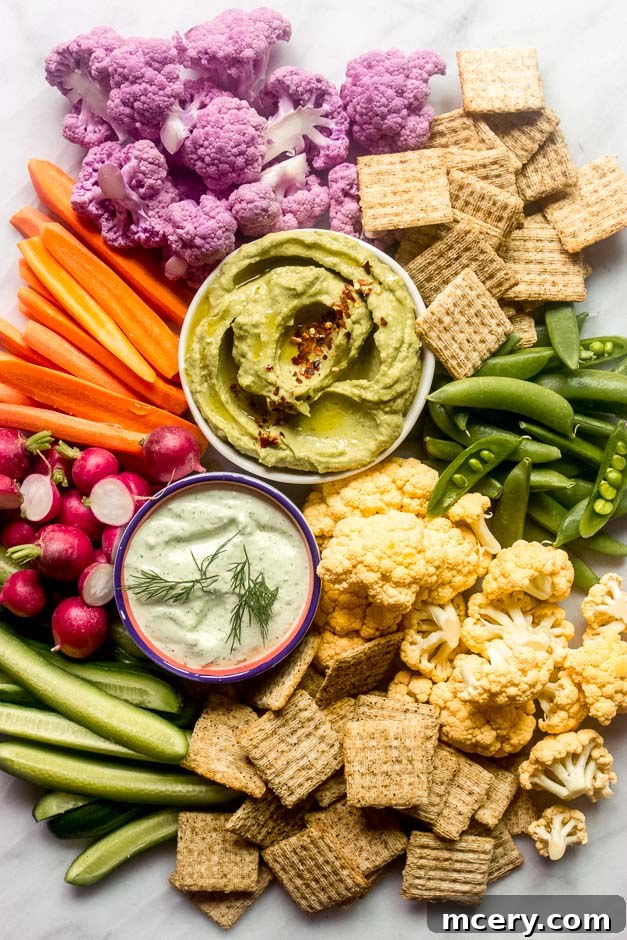
Master the Art of the Crudité Platter: Your Ultimate Guide to a Stunning Vegetable Display
Putting together an impressive crudité platter doesn’t have to be complicated! This comprehensive guide shares the best tips, clever tricks, and step-by-step instructions on how to create a vibrant, irresistible vegetable platter that will be the star of any gathering. Prepare to wow your guests with an appetizer that’s as healthy as it is beautiful.
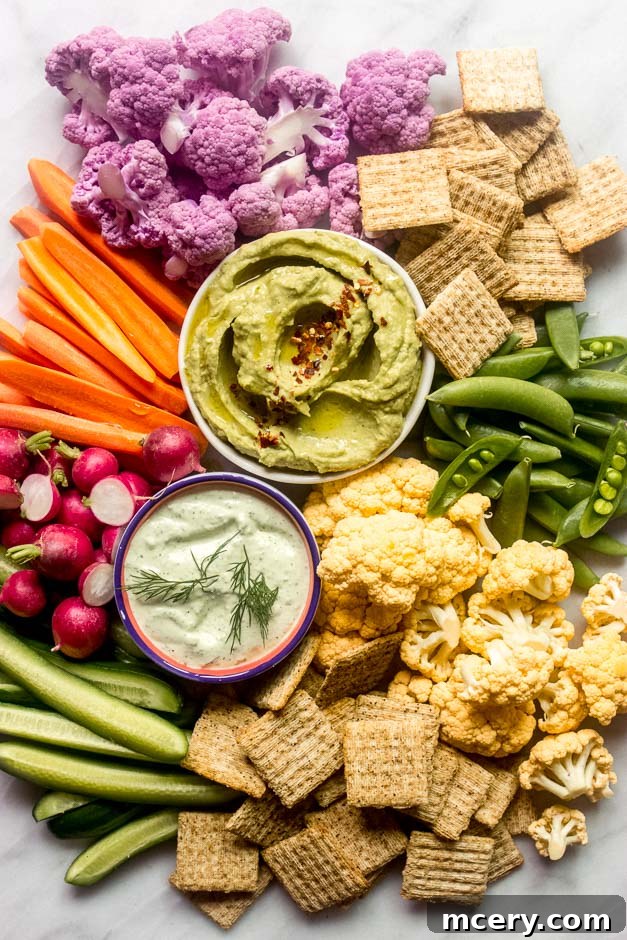
What Exactly is a Crudité Platter? A Culinary Classic Explained
Originating from French cuisine, “crudités” literally translates to “raw things,” and a crudité platter is an elegant appetizer consisting of a colorful assortment of raw, seasonal vegetables, typically cut into bite-sized pieces. These crisp, fresh vegetables are arranged artfully and served alongside one or more complementary dips. While many might refer to it simply as a “vegetable platter” or “veggie tray,” a true crudité platter elevates this concept through intentional selection, thoughtful presentation, and often, homemade gourmet dips.
Beyond being a simple appetizer, a well-crafted crudité platter is a feast for both the eyes and the palate. It’s an easy, impressive way to entertain, showcasing the bounty of seasonal produce and offering a wholesome option that everyone can enjoy. We’ll be pairing our featured vegetable platter with two irresistible homemade dips, an array of fresh veggies, and a selection of crackers to complete the experience.
Love crafting stunning platters? Dive deeper and learn everything you need to know about creating the best cheese platter and an enticing antipasto platter.
Why a Crudité Platter is Your Go-To Appetizer
Crudité platters offer a multitude of benefits that make them an ideal choice for any occasion, from casual family gatherings to sophisticated dinner parties. Here’s why they should be your go-to:
- Unrivaled Health Benefits: In an age where healthy eating is prioritized, a crudité platter stands out. It’s packed with vitamins, minerals, and fiber, offering a low-calorie, nutrient-dense option for snacking. It’s naturally vegetarian, vegan-friendly (with appropriate dips), and often gluten-free, catering to diverse dietary needs without compromising on flavor or satisfaction.
- Visually Stunning Presentation: A well-arranged platter is a work of art. The natural vibrancy of fresh vegetables creates a captivating rainbow of colors, textures, and shapes. This visual appeal makes it an instant centerpiece, adding a touch of elegance and freshness to your table.
- Effortless Entertaining: Hosting can be stressful, but crudité platters simplify the process significantly. Many components can be prepped in advance, allowing you to assemble the platter closer to serving time. This means less last-minute cooking and more time to enjoy your guests.
- Ultimate Customization: The beauty of a crudité platter lies in its flexibility. You can customize it based on seasonal availability, your personal preferences, your guests’ tastes, or a specific theme. Whether you prefer crunchy, sweet, mild, or earthy vegetables, there’s always something to include.
- A Guaranteed Crowd-Pleaser: Raw vegetables and delicious dips appeal to a wide audience, from children to adults. It’s a safe bet that your crudité platter will be a hit, offering a refreshing and satisfying alternative to heavier appetizers.
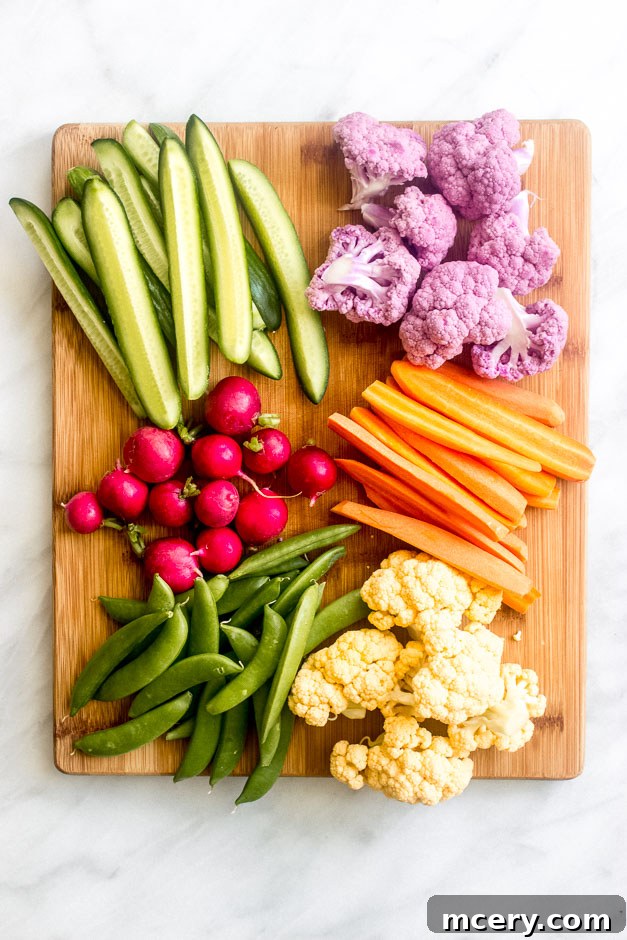
Selecting the Stars: The Best Vegetables for Your Crudité Platter
The key to an outstanding crudité platter lies in selecting a diverse range of fresh, crisp vegetables. When making your choices, always consider color, texture, and seasonality. Most vegetables are incredibly delicious raw, especially when they are bought in their prime season. I’ve opted for a mix of vibrant seasonal vegetables that are currently at their best, alongside a few year-round favorites that never disappoint.
Here are some excellent options to inspire your next vegetable platter:
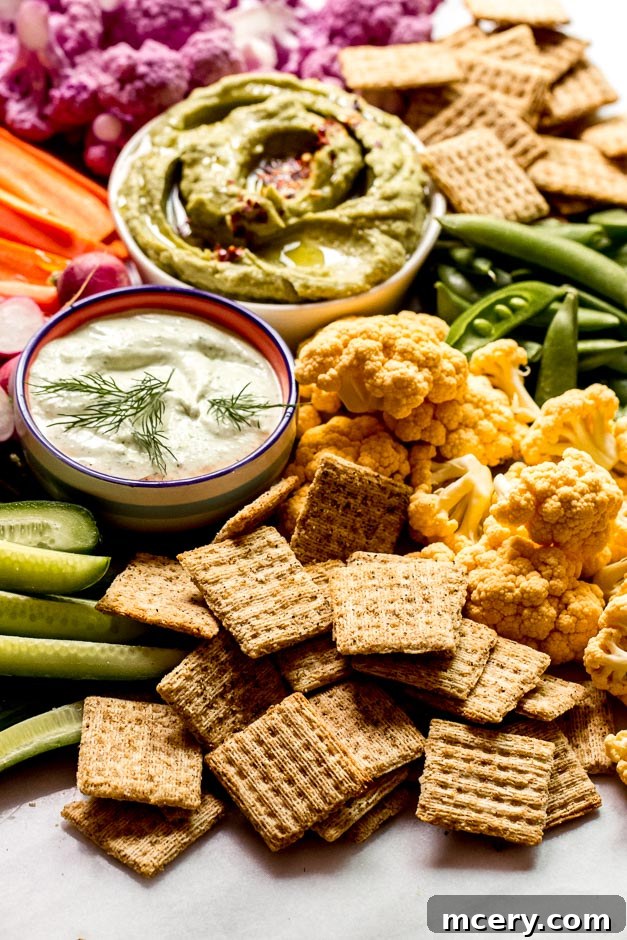
- Cauliflower Florets: Move beyond traditional white and experiment with striking purple and orange cauliflower to add an incredible pop of natural color. These varieties taste just like their white counterpart but offer a stunning visual upgrade.
- Carrots: The satisfying crunch and sweet earthiness of carrots are absolutely essential for any crudité platter. I particularly love tender young baby carrots, often sold with their green tops still attached in springtime. Serve them whole for a rustic look or cut them in half lengthwise for easier dipping. Consider rainbow carrots for an extra splash of color.
- Radishes: These small, peppery root vegetables are not only tasty but also incredibly fun and beautiful. Explore different varieties like vibrant watermelon radishes with their pink interiors, or charming Easter egg radishes that come in various pastel shades. Mix and match by leaving some whole with their greens, while others are thinly sliced or quartered for a varied presentation.
- Cucumbers: In my opinion, a crudité platter simply isn’t complete without the refreshing crispness of cucumbers. They are wonderfully hydrating, perfectly crunchy, and pair deliciously with virtually any dip. Slice them into rounds, spears, or even ribbons for visual interest. English or Persian cucumbers tend to have fewer seeds and thinner skins.
- Sugar Snap Peas: A true staple of springtime, sugar snap peas are beloved for their delightful crunch and naturally sweet flavor. They are fantastic eaten raw and add a fresh, vibrant green element to your platter.
- Bell Peppers: Offer a spectrum of colors with red, yellow, and orange bell peppers, cut into long strips. Their sweet crunch and bright hues are always a welcome addition.
- Broccoli Florets: Small, tender broccoli florets provide a hearty crunch and a deep green color. Ensure they are cut into manageable, bite-sized pieces.
- Celery Sticks: Classic celery sticks are excellent for their refreshing crunch and serve as perfect conduits for scooping up dips.
- Cherry or Grape Tomatoes: These sweet little bursts of flavor are best served whole or halved, adding a juicy element to the mix.
- Blanched Asparagus: For a touch of sophistication, briefly blanch fresh asparagus spears until just tender-crisp, then chill. They offer a unique texture and elegant appearance.
- Belgian Endive Spears: Their natural cup shape makes them excellent for holding small dollops of dip, adding a slightly bitter, refreshing note.
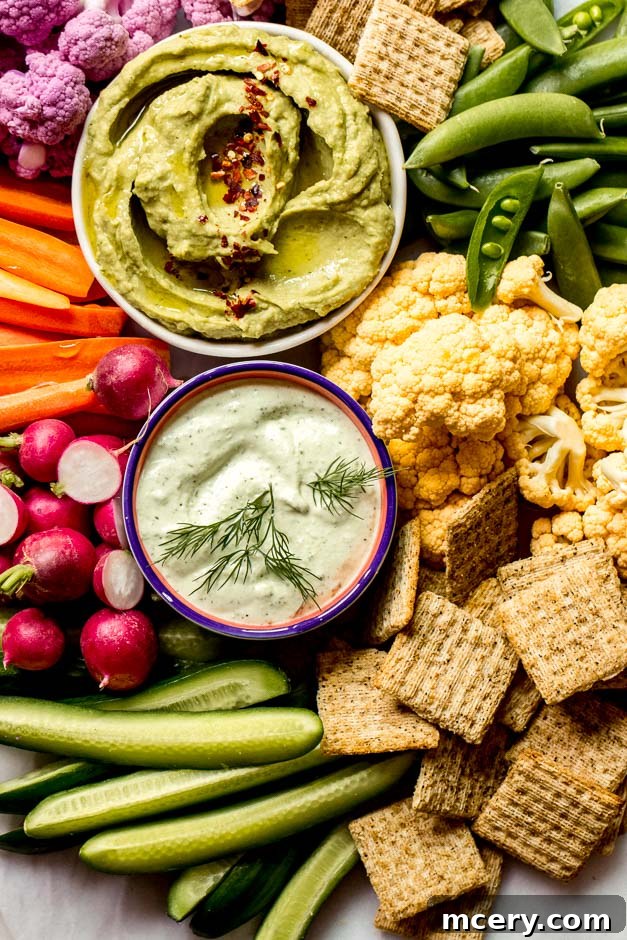
Dips That Delight: Elevating Your Crudité Experience
A vegetable platter, no matter how beautiful, wouldn’t be complete without delectable dips to complement those crisp veggies. The right dips can transform your crudité platter from good to unforgettable. Our two featured recipes, Avocado Hummus and Feta Dip, are incredibly versatile and might just become the only two dips you’ll ever need!
Both of these sensational dips are effortlessly made in a food processor using minimal ingredients, making them ideal for quick preparation. A huge bonus is that they both keep exceptionally well when refrigerated, allowing you to prepare them a few days in advance and save precious time on the day of your event.
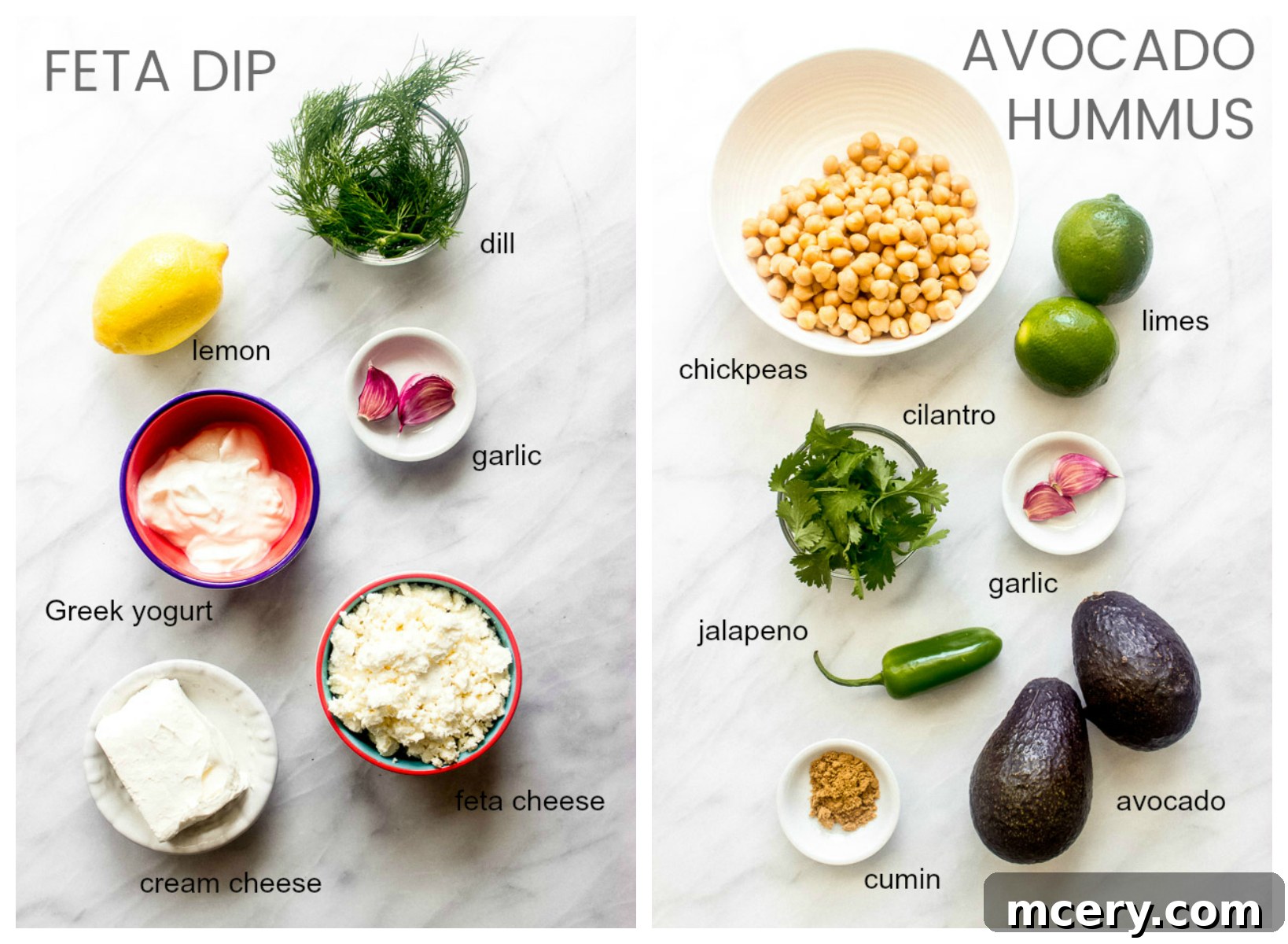
- Creamy Avocado Hummus: Imagine the best qualities of creamy guacamole and traditional hummus combined into one extraordinary dip. This avocado hummus is incredibly smooth, rich, and utterly delicious. The earthy chickpeas blend seamlessly with ripe avocados, zesty lime juice, a hint of spicy jalapeño, and aromatic cumin. It’s a versatile dip that pairs perfectly with almost any vegetable, offering a vibrant, fresh flavor profile that’s hard to resist.
- Tangy Feta Dip: For those who love a bold, savory, and bright flavor, our feta cheese dip is a must-try. It combines salty crumbled feta with cooling Greek yogurt, softened cream cheese, fresh dill, and a touch of lemon zest for an irresistible tang. This dip is particularly exquisite when paired with refreshing cucumbers or the sweet crunch of sugar snap peas, creating a balanced and flavorful bite.
Don’t be afraid to experiment with other dip varieties to offer even more choice:
- Yogurt-Based Dips: Think classic Tzatziki Yogurt Sauce with its refreshing cucumber and garlic notes, or a creamy Greek Yogurt Onion Dip for a savory kick.
- Nut-Based Dips: Such as Romesco sauce or a spicy harissa dip.
- Roasted Vegetable Dips: Baba Ghanoush (eggplant) or a roasted red pepper dip add depth and smoky flavors.
How to Assemble Your Visually Stunning Crudité Platter: A Step-by-Step Guide
Assembling a crudité platter is where creativity truly shines. It’s an opportunity to create a beautiful, edible centerpiece with minimal effort. Follow these steps to build your masterpiece:
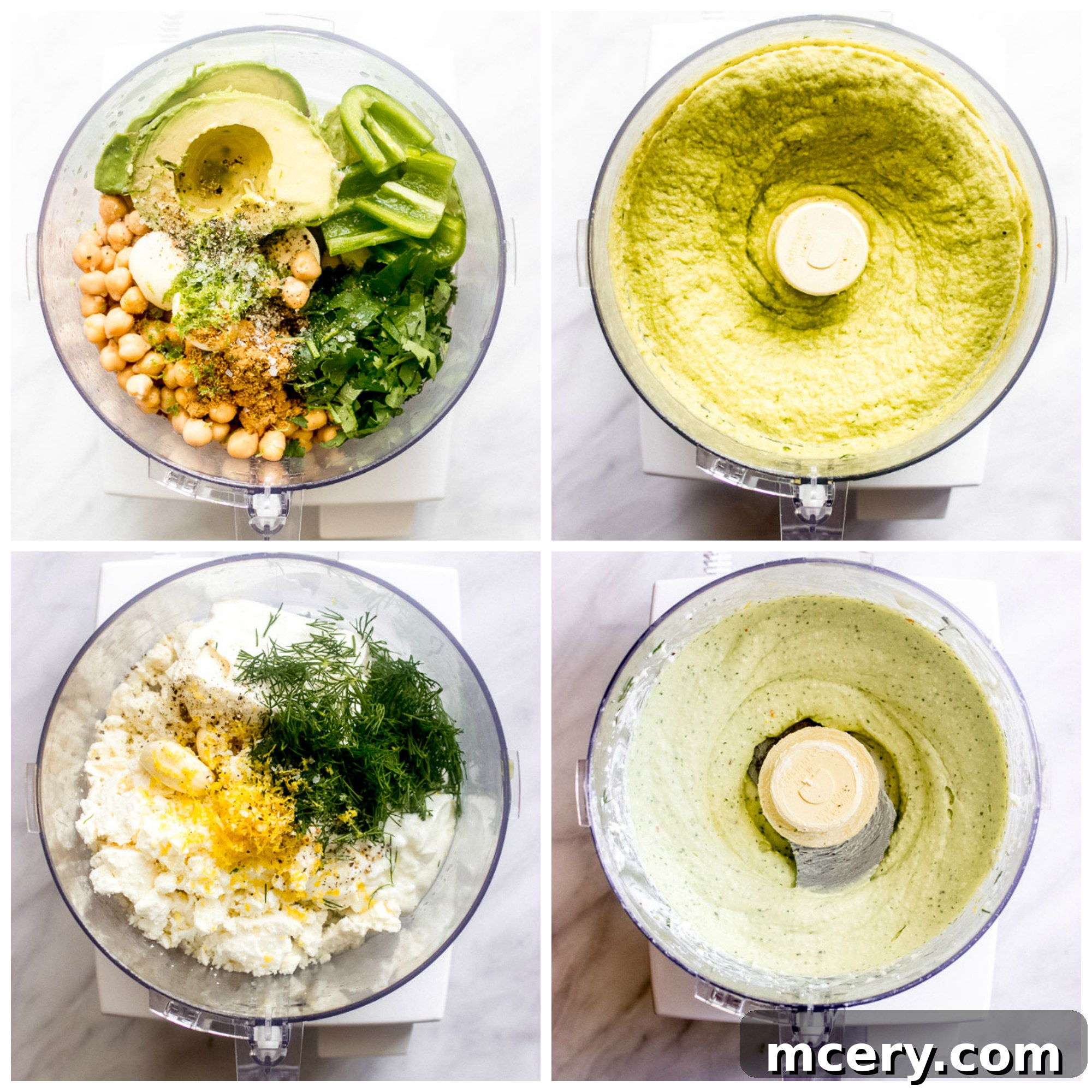
- Prepare the Dips: Begin by making your chosen dips. As mentioned, these can be prepared on the day of serving or a few days in advance. Add all the ingredients for each dip to a food processor and blend until luxuriously smooth. Always remember to stop, scrape down the sides, and taste for seasoning adjustments – adding more salt, acidity (like lemon or lime juice), or spice as needed. The generous amount of fresh lime juice in the avocado hummus helps prevent immediate browning, keeping it fresh and vibrant. Chill both dips for at least 30 minutes before serving; this allows the flavors to meld beautifully.
- Prep the Veggies: While your dips are chilling and flavors are developing, it’s time to prepare your vegetables. Wash all produce thoroughly under cold water. Trim any undesirable parts and then cut your vegetables into inviting, one- to two-bite pieces. Get creative with shapes: think spears, elegant slices, perfect rounds, or crunchy strips. To add visual interest and a rustic touch, consider leaving some smaller vegetables, like baby carrots or mini radishes, whole with their green tops. Ensure all vegetables are patted dry to keep them crisp.
- Arrange on a Platter: This is the fun part! Select your canvas – a large oval or round platter, a rustic wooden serving board, a sleek slate slab, or even a beautiful marble pastry board (like the one I often use) works wonderfully. Transfer your chilled dips into small, attractive serving bowls. Place these bowls strategically in the center of your platter, or spread them out for multiple dipping stations. Then, begin arranging your prepped vegetables artfully around the dips. Mix shapes, colors, and textures as you go. Create clusters of similar vegetables, or weave different types together for a more organic look. Don’t overthink it; the goal is to create an abundant and appealing display. Fill any remaining gaps with crackers or small bread pieces. Garnish with fresh herbs like dill or parsley for a final touch of freshness and serve immediately for optimal crispness.
Keeping Your Crudité Platter Fresh and Vibrant
Maintaining the freshness and crispness of your vegetables is crucial for an enjoyable crudité platter. While vegetables are always best when cut just a few hours before serving, smart preparation allows you to do some work in advance, especially for busier hosts.
- Harder Vegetables: For hardier vegetables such as carrots, celery, broccoli, and cauliflower, you can wash, trim, and cut them into serving pieces one to two days in advance. After prepping, ensure they are completely dry, then store them in separate airtight containers in the refrigerator. For extra crispness, you can place a damp paper towel in the container to maintain humidity.
- Softer Vegetables: Softer or more delicate vegetables, like tomatoes, cucumbers, and radishes, tend to retain more water and can break down faster once cut. For these, I find it’s best to prepare them just before you plan to assemble and serve the platter. If you must prep them a few hours in advance, store them in a container without too much moisture, or even in a bowl of ice water for a short period to keep them perfectly crisp.
- Dips: Both the avocado hummus and feta dip recipes are excellent for making ahead. Prepare them fully and store them in airtight containers in the refrigerator for up to 3-4 days. This allows the flavors to deepen and saves you significant time on the day of your event. Remember to give them a good stir before serving.
- Assembly Timing: For the most vibrant and crisp platter, aim to assemble everything no more than 1-2 hours before it’s meant to be served. If you need to assemble it slightly earlier, cover the platter tightly with plastic wrap and refrigerate until guests arrive.
Beyond the Basics: More Crudité & Dip Inspiration
While our featured avocado hummus and feta dip are incredible, there’s a whole world of delicious dips to explore! Expanding your repertoire of dips is a fantastic way to keep your crudité platters exciting and varied. Here are a few more ideas for delightful dips to add to your next vegetable platter:
- Tzatziki Yogurt Sauce: A classic Greek dip, cool and refreshing with cucumber, garlic, and dill.
- Feta Cheese Dip: (While already covered, this links to a dedicated recipe page for more detail).
- Salmon Yogurt Spread: A creamy and savory option for seafood lovers, light and fresh.
- Greek Yogurt Onion Dip: A healthier take on a classic party favorite, rich in flavor.
- Roasted Red Pepper Dip: Smoky and sweet, made from roasted bell peppers, walnuts, and breadcrumbs.
- Baba Ghanoush: A creamy, smoky Middle Eastern dip made from roasted eggplant.
Crudité Platter 101 (How to Make a Vegetable Platter)
- Author: Katya
- Prep Time: 25 min
- Total Time: 25 minutes
- Yield: 8 1x
- Category: Appetizer
- Method: Chop
- Cuisine: American
Description
Putting together a crudité platter just got a whole lot easier! Sharing the best tips, tricks, and step-by-step instructions on how to master your next vegetable platter.
Ingredients
Avocado Hummus
- 1 (15 oz.) can chickpeas, drained and rinsed
- 2 ripe avocados
- 2 cloves garlic
- 1 jalapeno pepper, seeded and roughly chopped
- 1 ½ tsp. ground cumin
- Juice 2 limes and zest of 1 lime
- ¼ cup fresh cilantro, roughly chopped
- pinch of chili flakes, optional
Feta Dip
- ⅓ cup Greek yogurt, whole milk
- 6 oz. crumbled feta cheese
- 4 oz. cream cheese, softened
- 1 cloves garlic
- ¼ cup fresh dill
- Zest 1 lemon and 1 Tbsp. fresh lemon juice
Everything Else
- Assortment of fresh seasonal vegetables, washed and cut up into serving pieces
- Crackers
Instructions
- Prepare the dips: In a food processor, blend all of the ingredients for the Avocado Hummus until smooth. Season with salt and pepper to taste. Do the same for the Feta Dip: blend all of its ingredients in a clean food processor. Season with salt and pepper to taste. Refrigerate both dips for at least 30 minutes. Taste for acidity, spice, and salt before serving.
- Prepare the vegetables: Wash and cut up vegetables into strips, sticks, and rounds. For visual variety, leave some of the smaller vegetables whole.
- Arrange the platter: Spoon the dips into small serving bowls and arrange them on a large platter or a flat serving board. Fill the space and gaps around the dips with the cut-up vegetables and crackers, mixing different textures, colors, and sizes. Don’t overthink it and just have fun creating an abundant and appealing display. Serve immediately.
Notes
- Both of the dips can be prepared a few days in advance. Just keep them refrigerated in an airtight container until ready to serve.
- Use a variety of seasonal and more traditional vegetables. Play around with colors, texture, and shapes. Keep some vegetables whole and some cut up for visual appeal.
Nutrition
- Serving Size:
- Calories: 242
- Sugar: 3.6 g
- Sodium: 402.4 mg
- Fat: 17 g
- Carbohydrates: 15.8 g
- Protein: 9.2 g
- Cholesterol: 34.8 mg
Nutritional information provided is for BOTH the Avocado Hummus and Feta Dip combined. It does not include the calories or macros from any vegetables or crackers.
Crudité Platter FAQs
Here are answers to some commonly asked questions about making and serving crudité platters:
- Q: What is the difference between a crudité platter and a simple veggie tray?
A: While both feature raw vegetables, a crudité platter emphasizes intentional selection of seasonal, fresh produce, often with unique cutting techniques, and is paired with gourmet or homemade dips. A veggie tray can be more casual, sometimes including pre-cut, standard vegetables with store-bought ranch dip. The crudité platter aims for a more elevated and visually appealing presentation. - Q: How much crudité should I prepare per person?
A: As a general rule of thumb for appetizers, plan for about 4-6 pieces of vegetables and 2-3 tablespoons of dip per person. If the crudité platter is the only appetizer, you might increase this slightly. Always consider if your guests are big veggie eaters! - Q: Can I use frozen vegetables for a crudité platter?
A: It is strongly recommended to use only fresh vegetables for a crudité platter. Frozen vegetables, once thawed, lose their crispness and vibrant texture, which are essential characteristics of crudités. - Q: How long can a crudité platter safely sit out?
A: According to food safety guidelines, a crudité platter with dips should not sit at room temperature for more than two hours. If it’s a very warm environment, this time should be reduced to one hour. Always refrigerate leftovers promptly. - Q: Are there any vegetables I should avoid?
A: Avoid vegetables that brown quickly (like some apples without lemon juice), become watery when cut (like highly ripe tomatoes if not served immediately), or have a very strong, overwhelming flavor that might not pair well with common dips. Stick to crisp, mild, and vibrant options.
You May Also Like…
Conclusion: Your Journey to Crudité Perfection
Armed with these tips, tricks, and step-by-step instructions, you are now ready to master the art of the crudité platter. This versatile and vibrant appetizer is more than just raw vegetables; it’s an expression of fresh flavors, beautiful colors, and effortless entertaining. Whether you’re hosting a grand party or a casual get-together, a thoughtfully prepared crudité platter will always leave a lasting impression on your guests. So go ahead, choose your favorite seasonal veggies, whip up some delightful dips, and create a memorable culinary display that celebrates health and taste!