
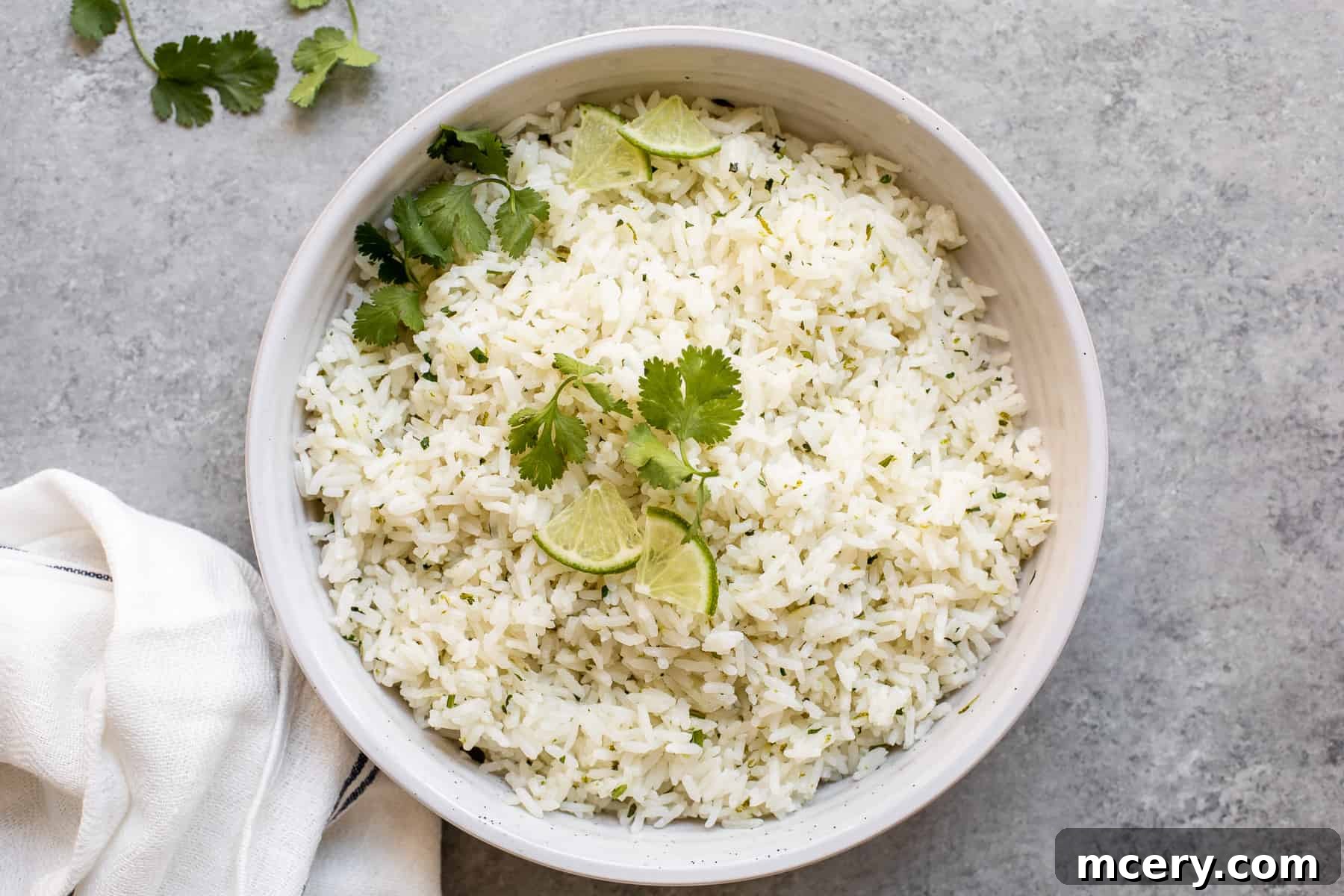
The Ultimate Coconut Lime Rice Recipe: Flavorful, Easy, and Versatile
Discover the magic of this coconut lime rice recipe, a truly exceptional side dish that consistently earns its place among my all-time favorites. It’s not just packed with rich, bright, and invigorating flavors; it’s also incredibly simple to prepare, requiring only four basic ingredients and less than 20 minutes from start to finish. This recipe transforms ordinary rice into an extraordinary culinary experience, perfect for elevating any meal with its tropical essence and refreshing zest. Whether you’re a seasoned chef or a kitchen novice, this foolproof method ensures perfectly fluffy, aromatic rice every time.
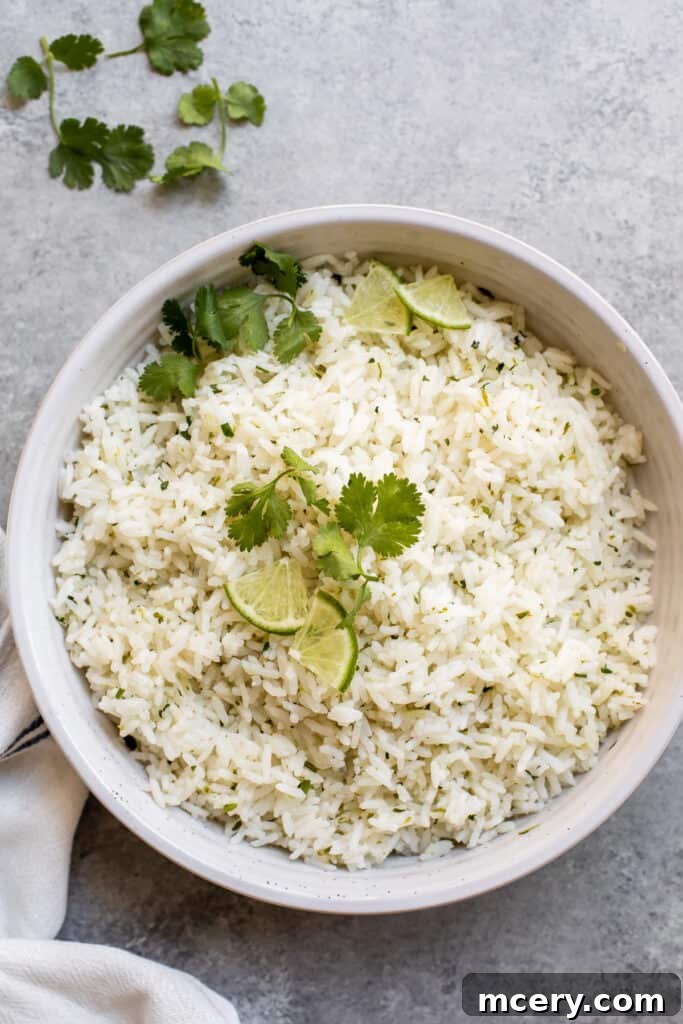
Why This Coconut Lime Rice Will Become Your Go-To Side Dish
This Coconut Milk Rice has become a cherished staple in my household, frequently gracing our dinner table. Its delicate yet distinct flavor profile makes it an incredibly versatile accompaniment, pairing flawlessly with a wide array of cuisines. Imagine it alongside anything fresh off the grill – from succulent chicken skewers to perfectly seared fish. It’s also an absolute dream with vibrant Tex-Mex dishes, such as savory Enchiladas Verdes, where its subtle sweetness balances the spices beautifully. Furthermore, it complements Asian-inspired meals like our Best Teriyaki Chicken Recipe, adding a tropical flair that truly enhances the experience.
And the versatility doesn’t stop there! Don’t let any leftovers go to waste; they form the perfect foundation for the most delicious Pineapple Fried Rice you’ll ever make. I’ve personally crafted this recipe countless times over the years, refining it to a point where it’s virtually foolproof. My family simply can’t get enough of it, and with consistent five-star reviews from readers, it’s clear that this easy coconut rice recipe resonates with everyone who tries it. Its effortless preparation and incredible flavor make it a winning choice for any day of the week.
Beyond its fantastic taste, this cilantro lime coconut rice offers a light and refreshing alternative to plain rice. The natural goodness of coconut milk provides a creamy texture and a hint of exotic sweetness, while the fresh lime juice and zest cut through with a bright, tangy note. The cilantro adds a final touch of herbaceous freshness, creating a balanced and addictive side dish that’s both nourishing and satisfying. It’s also naturally vegan and gluten-free, making it a wonderful option for various dietary needs.
Decoding the Deliciousness: Key Ingredients for Perfect Coconut Lime Rice
Creating this delightful coconut lime rice requires just a handful of straightforward ingredients. Each component plays a crucial role in building the vibrant flavors that make this dish so special. Here’s a closer look at what you’ll need to make this incredibly easy and flavorful side:
- Jasmine Rice: This long-grain rice is undeniably the star for this recipe. Its slightly floral aroma and delicate texture when cooked make it the perfect canvas for the coconut and lime flavors. The individual grains remain distinct, avoiding stickiness, which is ideal for a light side dish. However, if jasmine rice isn’t available, high-quality Basmati rice works wonderfully too, offering a similar light and fluffy result.
- Coconut Milk: Canned full-fat coconut milk is essential here, providing a rich, creamy base and a subtle, authentic coconut flavor. It’s important to use full-fat for the best texture and taste; light coconut milk might result in a less creamy and flavorful dish. Remember to shake the can well before opening to combine the separated cream and liquid.
- Fresh Lime Zest: The zest, or outer rind, of fresh limes is where much of the citrusy aroma resides. Adding it right before serving infuses the rice with a bright, aromatic burst that truly elevates the dish without making it overtly sour. It’s a key component for that signature “lime” flavor.
- Fresh Lime Juice: Complementing the zest, fresh lime juice is stirred in at the end to really kick up the flavor profile. Its acidity brightens the richness of the coconut milk and adds a refreshing tang that makes the rice incredibly appealing and prevents it from being too heavy. Always use fresh juice for the best results, as bottled varieties lack the vibrant punch.
- Fresh Cilantro: Finely chopped fresh cilantro is folded into the cooked rice, providing a beautiful pop of green color and a distinctive, earthy, and slightly peppery flavor. It’s the “cilantro” in cilantro lime coconut rice, offering an essential herbaceous note that completes the dish. If you’re not a fan of cilantro, parsley makes a good substitute.
- Water and Salt: These foundational ingredients are critical for cooking the rice to perfection. Water ensures proper hydration, while a pinch of kosher salt enhances all the other flavors.
Master the Art: Step-by-Step Guide to Making Coconut Rice
Creating perfectly fluffy and flavorful coconut lime cilantro rice is surprisingly simple. Follow these brief, easy-to-understand directions to achieve a spectacular side dish. For comprehensive, detailed instructions, please refer to the recipe card below.
- Step 1: Combine and Simmer. In a appropriately sized saucepan, combine your chosen jasmine rice, creamy coconut milk, water, and a pinch of salt. Bring the mixture to a gentle simmer over medium-high heat. As it begins to warm, give it a quick stir a few times to ensure the rice grains separate and don’t clump together at the bottom. Once simmering, reduce the heat to low, cover the pan tightly with a lid, and allow it to cook undisturbed. This gentle simmering process is crucial for the rice to absorb all the liquid evenly and become tender. Cook for approximately 12-15 minutes, or until all the liquid has been fully absorbed by the rice. At the 12-minute mark, it’s a good idea to quickly check the rice for doneness – it should be tender but still have a slight bite.
- Step 2: Rest, Fluff, and Flavor. Once the rice has absorbed all the liquid and is tender, remove the pan from the heat. This next step is vital: leave the pan covered and allow the rice to rest for an additional 5 minutes. This resting period allows the steam to redistribute, resulting in individual, perfectly fluffy grains. After resting, remove the lid and gently fluff the rice with a fork. This separates the grains and creates a light texture. Finally, stir in the fresh lime zest, vibrant lime juice, and the chopped cilantro. Taste the rice and adjust seasoning as needed, adding more salt or an extra splash of fresh lime juice if you desire a brighter flavor. Serve immediately and enjoy your homemade coconut rice!
The Golden Ratio: Achieving Perfectly Cooked Rice Every Time
Have you ever encountered the frustration of mushy, clumpy rice or, conversely, grains that are still unpleasantly crunchy when you take a bite? This common kitchen dilemma is almost always caused by an incorrect liquid-to-rice ratio, or improper cooking technique. Mastering this balance is the key to consistently perfect rice.
Here’s a simple breakdown of the ideal liquid-to-rice ratios to ensure your rice comes out fluffy and tender, every single time:
- White Rice (including Jasmine and Basmati): For most types of white rice, including the jasmine rice used in this coconut lime rice recipe, the ideal ratio is 1 part rice to 2 parts liquid. So, for every one cup of uncooked rice, you will need two cups of liquid (in this recipe, a combination of coconut milk and water). This ratio ensures that the rice fully absorbs the liquid and steams perfectly without becoming oversaturated.
- Brown Rice: Brown rice, being a whole grain with its bran layer intact, requires a bit more liquid and a longer cooking time. The standard ratio for brown rice is typically 1 part rice to 2.5 parts liquid. For example, one cup of brown rice would require 2.5 cups of liquid. This extra half-cup accounts for the bran’s absorption properties, yielding tender, chewy grains.
- Other Grains: When experimenting with grains like quinoa, farro, or barley, always check the package instructions. Quinoa often uses a 1:2 ratio (1 part quinoa to 2 parts liquid), similar to white rice. Farro and barley might require slightly more, often around 1:3 or 1:4, depending on whether you want a chewier or softer texture.
Beyond the ratio, ensure your heat is truly low once simmering, and avoid lifting the lid during cooking to keep the steam trapped. The resting period off the heat is equally important for the final texture.
Get Creative: Exciting Variations and Customization for Your Coconut Rice
One of the many wonderful qualities of coconut lime rice is its incredible adaptability. This recipe serves as a fantastic base, allowing you to easily adjust it to your specific tastes, dietary preferences, or simply whatever ingredients you have on hand in your pantry or fridge. Don’t hesitate to experiment and make this recipe truly your own!
Try one or a combination of these variations for a different base flavor and texture:
- Rice and Grain Alternatives: While this recipe champions jasmine rice for its fragrant qualities, you have a world of grains to explore.
- Brown Rice: For a healthier, nuttier, and chewier version, substitute brown rice. Remember to adjust the liquid ratio (1 cup brown rice to 2.5 cups liquid) and increase the cooking time significantly (often 40-50 minutes).
- Arborio or Short-Grain Rice: These can create a creamier, slightly stickier texture, reminiscent of risotto. Adjust liquid slightly and cook until tender.
- Nutritional Powerhouses: Bump up the nutritional value and turn this into a more complete meal by using barley, farro, or quinoa. Each will require different liquid-to-grain ratios and cooking times, so consult package instructions. These alternatives are excellent for grain bowls or as a heartier side.
- Flavor Boosters and Mix-ins: Elevate the taste profile by incorporating additional aromatic ingredients or replacing the cilantro.
- Herb Swaps: If cilantro isn’t your preference, replace it with an equal amount of chopped fresh parsley for a milder, earthy note, or fresh mint for an unexpected refreshing twist. Green onions (scallions) also make a delightful addition, offering a mild oniony crunch.
- Garlic and Shallots: For a more savory depth, sauté minced garlic or finely diced shallots in a little oil before adding the rice and liquid. This creates a fragrant base that pairs beautifully with the coconut.
- Ginger: A small amount of freshly grated ginger, added with the rice, can introduce a warm, slightly spicy undertone that complements the tropical flavors.
- Chili Kick: For those who enjoy a bit of heat, finely diced fresh green chilies (like serrano or jalapeño) or a pinch of red pepper flakes can be added to the pot with the rice.
- Spice it Up: A hint of turmeric can give the rice a beautiful golden hue and a subtle earthy flavor. Cumin can add a warm, savory depth.
- Tropical Fruit: For an even more tropical experience, consider stirring in a small amount of finely diced fresh mango or pineapple after the rice has cooked and been fluffed. This adds a burst of sweetness and juicy texture.
- Liquid Options: The original recipe uses a combination of coconut milk and water, striking a perfect balance. However, you can tailor the coconut intensity:
- More Subtle Coconut: For a very mild coconut flavor, use a higher ratio of water or chicken broth to coconut milk.
- Coconut Water: Replacing some of the plain water with coconut water will enhance the coconut flavor naturally while keeping it light.
- Vegetable Broth: Using vegetable broth instead of water can add another layer of savory depth, making it suitable for pairing with more robust main courses.
- Sweet vs. Savory Twist:
- For a Sweeter Side: If you enjoy a touch of sweetness, particularly for dessert-like pairings or with very spicy dishes, a teaspoon of sugar (or your preferred sweetener) can be added with the liquid.
Don’t be afraid to experiment! The beauty of this coconut rice recipe lies in its adaptability. Each variation offers a unique culinary adventure, allowing you to tailor the dish to any meal or craving.
Beyond the Stovetop: Alternative Cooking Methods for Coconut Lime Rice
While this recipe provides instructions for cooking coconut lime rice in a traditional small saucepan with a lid, you can certainly achieve excellent results using other popular kitchen appliances. These methods can often be more hands-off, providing convenience and consistent cooking.
- Instant Pot Coconut Rice: The Instant Pot is a fantastic tool for making perfectly cooked rice, including this flavorful coconut version, with minimal effort.
- Combine the rice, coconut milk, water, and salt directly in the inner pot of your Instant Pot. Ensure you maintain the correct liquid-to-rice ratio as per the stovetop method, or slightly less liquid for pressure cooking (check your Instant Pot manual for specific rice settings if unsure, but typically 1:1 ratio for white rice in IP).
- Secure the lid, set the valve to “sealing,” and cook on High Pressure for 3-5 minutes for white rice (jasmine/basmati).
- Once cooking is complete, allow the pressure to release naturally for 5-10 minutes (Natural Release, NR). This resting period is crucial for the rice’s texture.
- Carefully quick-release any remaining pressure. Remove the lid, fluff the rice with a fork, and gently stir in the lime zest, lime juice, and cilantro. Serve hot.
- Rice Cooker Perfection: A dedicated rice cooker is designed to make cooking rice virtually effortless and consistent.
- Add the jasmine rice, coconut milk, water, and salt to the rice cooker pot. Use the same liquid-to-rice ratio as the stovetop method (1:2).
- Close the lid and turn on the rice cooker. Select the “white rice” setting if your model has different options.
- The rice cooker will automatically switch to “warm” once the rice is cooked. Let the rice rest on the “warm” setting for at least 5-10 minutes after it finishes cooking before opening the lid.
- Fluff the rice with a paddle or fork, then mix in the fresh lime zest, lime juice, and cilantro. Your aromatic coconut rice is ready to enjoy!
Perfect Pairings: What to Serve with Coconut Lime Rice
The refreshing and subtly sweet flavor of this coconut lime rice makes it an incredibly versatile side dish that complements a vast array of main courses and other sides. Its bright notes balance rich flavors and enhance lighter fare, making it a perfect addition to many meals. Here are some fantastic serving suggestions:
This flavorful coconut rice pairs wonderfully with other light and vibrant side dishes, creating a balanced and satisfying meal:
- Roasted Asparagus with Lemon
- Refried Pinto Beans (for a Tex-Mex feast)
- Red Skin Mashed Potatoes (if you’re feeling adventurous with textures!)
- Roasted Garlic Green Beans
- A simple fresh green salad with a light vinaigrette.
- Steamed broccoli or sugar snap peas.
For main meals, coconut lime rice truly shines alongside grilled proteins, Mexican-inspired dishes, and Asian cuisine. Consider these delicious pairings:
- Grilled & Roasted Meats/Seafood: The brightness of the lime and coconut cuts through rich grilled flavors.
- Grilled Cilantro Lime Chicken Sliders
- Grilled or baked fish (like salmon, cod, or tilapia)
- Shrimp skewers or grilled prawns
- Roast chicken or turkey breast
- Mexican & Tex-Mex Fare: It’s a natural fit, offering a cooling contrast to spicy dishes.
- Ground Chicken Enchiladas
- Chipotle Chicken Tacos
- Fajitas (chicken, beef, or vegetable)
- Carnitas or other slow-cooked pork dishes
- Black bean burgers
- Asian & Tropical Inspired Meals: Embrace the tropical notes for a harmonious pairing.
- Chicken, beef, or vegetable stir-fries
- Various curries (Thai green curry, red curry)
- Teriyaki chicken or tofu
- Sweet and sour pork or chicken
- Pineapple glazed ham
No matter how you choose to serve it, this homemade coconut rice is guaranteed to be a hit, adding a unique and memorable flavor dimension to your culinary creations.
Your Coconut Rice Questions Answered (FAQs)
Mushy rice typically indicates one of two issues: either there was too much liquid in the pot for the amount of rice, or the rice was cooked for too long. To prevent this, ensure you’re using the correct liquid-to-rice ratio (1 cup rice to 2 cups liquid for jasmine rice). Also, begin checking your rice for doneness around the 12-minute mark, and remove it from the heat as soon as the liquid is absorbed and the grains are tender.
Yes, you absolutely can taste the coconut in this coconut rice recipe, but the intensity can vary. This particular recipe calls for a balanced combination of coconut milk and water, resulting in a subtle, delicate coconut flavor that isn’t overpowering. If you prefer a stronger coconut taste, you can increase the proportion of coconut milk or use an extra dash of coconut extract (sparingly!) after cooking. Conversely, for an even milder hint of coconut, you can increase the water-to-coconut milk ratio.
Crunchy or undercooked rice signifies that there wasn’t enough liquid in the pot for the rice to fully absorb and soften, or the liquid evaporated too quickly. This can happen if the heat was too high, causing the liquid to boil away before the rice had a chance to cook through. A pan that is too large can also cause rapid evaporation. Always ensure your pan is covered tightly and the heat is reduced to a gentle simmer once boiling, allowing the rice to steam and absorb moisture steadily.
To store, allow the cooked coconut rice to cool completely within one hour, then transfer it to an airtight container. It can be refrigerated for up to 3-4 days. To reheat, you can microwave it with a splash of water or broth (about 1-2 tablespoons per cup of rice) until hot, or gently warm it in a saucepan over low heat, again with a small amount of liquid, stirring occasionally until heated through. The added liquid helps restore moisture and prevent drying out.
Yes, coconut rice freezes quite well! Allow the rice to cool completely, then portion it into freezer-safe bags or airtight containers. Remove as much air as possible to prevent freezer burn. It can be frozen for up to 1-2 months. To reheat, thaw in the refrigerator overnight or use the microwave/stovetop methods mentioned above, adding a bit of liquid as needed.
More Irresistible Rice Recipes
If you loved this Coconut Lime Rice, you might enjoy exploring other flavorful rice dishes that can elevate your meals:
- Classic Cilantro Rice
- Healthy Cauliflower Rice Pilaf
- Authentic Mexican White Rice
- Sweet and Savory Pineapple Rice
- Hearty Mexican Beans and Rice
Discover More Favorites from Little Broken
Looking for more delicious and easy recipes to inspire your cooking? Explore these other popular choices from Little Broken, perfect for any meal occasion:
- Simple Mexican Salad with Honey-Lime Vinaigrette
- Flavorful Chicken and Cabbage Skillet
- Roasted Lemon Rosemary Chicken
- Refreshing Greek Yogurt Cucumber Salad
- Easy Recipe for Apple Tart
- Hearty Greek Chickpea Salad Recipe
- Homemade Greek Vinaigrette Dressing
- Rich San Marzano Tomato Soup
- Quick Garlic Mussels Recipe
- Comforting Chicken Noodle Soup with Lemon
- Fresh Vegetarian Rice Paper Rolls
- Perfect Bone-in Roasted Turkey Breast
- Easy Chicken Marsala with Chicken Thighs
- Sweet and Tangy Grilled Orange Chicken
- Crisp Apple Walnut Salad Recipe
- Hearty Turkey Chili with Leftover Turkey
- Juicy Oven Roasted Bone-in Chicken Breast
Print Recipe
Coconut Milk Rice
5 Stars
4 Stars
3 Stars
2 Stars
1 Star
5 from 11 reviews
- Author: Katya
Prep Time: 5 mins
Cook Time: 15 mins
Total Time: 20 mins
Yield: 4 servings
Category: Side Dish
Method: Simmer
Cuisine: American, Asian
Description
Coconut lime rice is a delicious and bright side dish that goes great with your weeknight dinner. This quick and easy 20-minute dish is made from scratch and is the perfect pairing for Mexican, grilled, or Asian-inspired meals.
Ingredients
- 1 cup jasmine rice
- ¾ cup coconut milk (full-fat, shaken well)
- 1 ¼ cup water
- 1 lime, zested
- 1 tsp. fresh lime juice
- 1 Tbsp. minced fresh cilantro
- Kosher salt, to taste
Instructions
- Combine the rice, coconut milk, water, and a pinch of salt in a 2-quart saucepan. Bring the mixture to a simmer over medium-high heat. Stir a few times at the beginning to separate the rice. Then, reduce heat to low, cover partially, and cook undisturbed at a gentle simmer until all the liquid is absorbed, about 12-15 minutes. Check for doneness at 12 minutes.
- Remove the pan from the heat and let the rice rest, covered, for 5 minutes. After resting, fluff the rice with a fork and gently stir in the lime zest, lime juice, and chopped cilantro. Taste and season with more salt or fresh lime juice as needed. Serve warm.
Notes
- Rice: While not strictly necessary, you may rinse the jasmine rice thoroughly under cold water before cooking to remove excess starch. This can lead to fluffier, more separated grains.
- Coconut Milk: Canned coconut milk naturally separates into a thick cream and thinner liquid. Always shake the can vigorously before opening, or stir the contents until smooth, to ensure consistent richness throughout the dish.
Nutrition
- Serving Size: ¾ cup
- Calories: 147
- Sugar: 0.2 g
- Sodium: 318.8 mg
- Fat: 9.1 g
- Carbohydrates: 15.5 g
- Protein: 2 g
- Cholesterol: 0 mg
Recipe originally published April 2015, updated for clarity and expanded content.