
Thank you to my friends at Refreshingly Real for sponsoring this post. As always, all opinions are my own.
In today’s health-conscious world, the topic of canned foods often sparks debate and is unfortunately shrouded in several common misconceptions. Many consumers hold reservations about their nutritional content, taste profile, and the perceived use of artificial preservatives. However, my recent immersive experience in Indianapolis, Indiana, during the Refreshingly Real Farm to Can Challenge, completely revolutionized my understanding and appreciation for canned goods. This enlightening trip, meticulously organized and sponsored by Refreshingly Real, offered a unique opportunity for a group of bloggers, including myself, to delve deep into the lifecycle of food production. We began our journey at an expansive tomato farm, where we gained invaluable insights into sustainable growing and efficient harvesting practices. Following this, we proceeded to a cutting-edge canning facility, where we observed the entire intricate canning process, from the moment produce leaves the field to its transformation into a safely sealed can. This firsthand exploration was a powerful eye-opener, challenging long-held myths and revealing the true quality and care behind modern canned foods.
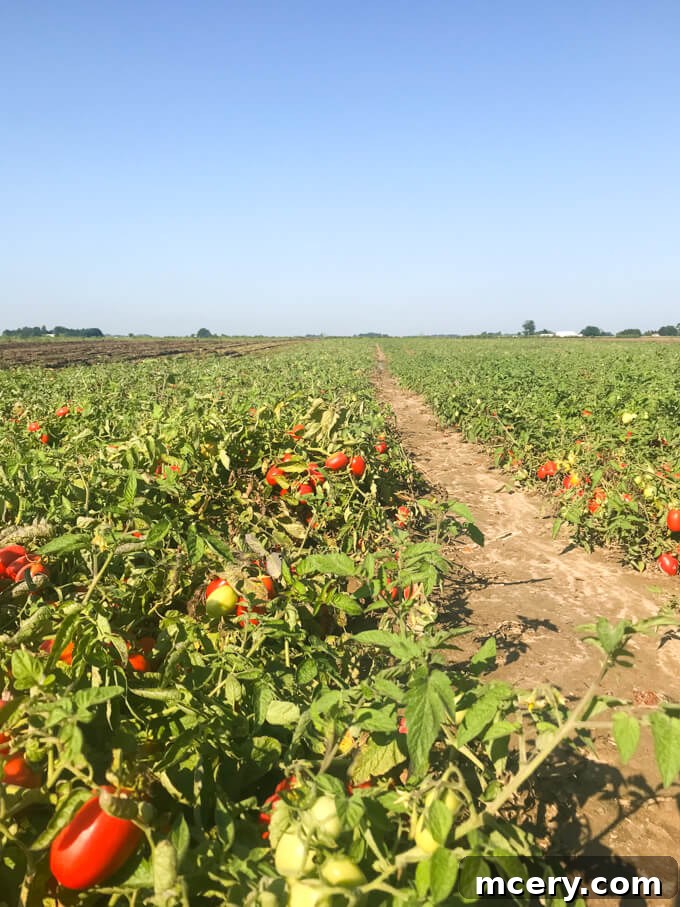
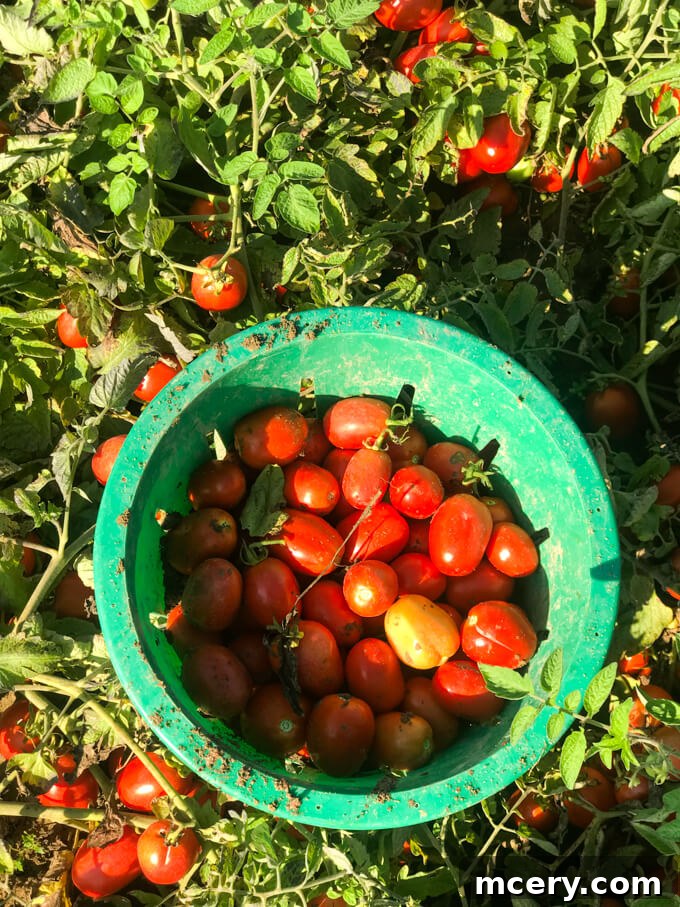
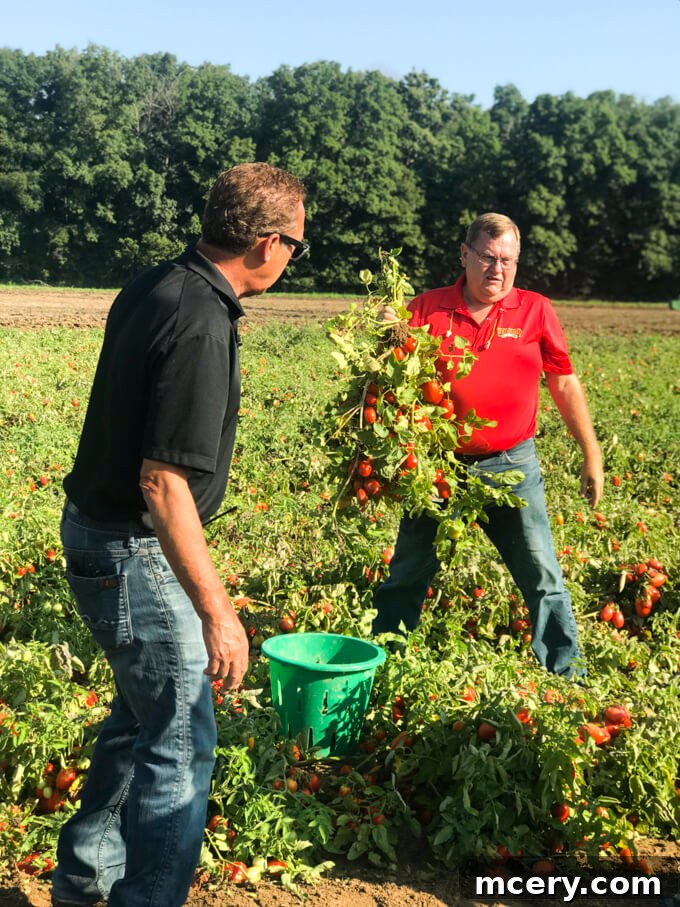
Our educational itinerary commenced at Triple S Farms, a testament to enduring agricultural heritage, operating as a fourth-generation family-owned farm. This impressive establishment dedicates a significant 60 acres to cultivating high-quality tomatoes, exclusively for Red Gold, which proudly stands as the largest family-owned tomato company in the United States. What truly impressed me was Triple S Farms’ unwavering commitment to responsible and sustainable agricultural practices. They conscientiously use non-GMO tomato seeds, ensuring the genetic integrity of their produce, and apply very minimal chemicals or protective agents, prioritizing both environmental stewardship and the delivery of a safe, nutritious tomato harvest. While the farm doesn’t carry an organic certification, they go above and beyond by performing random residue testing on their tomatoes, offering an additional layer of consumer assurance. The farm primarily specializes in growing robust Roma tomatoes, celebrated for their rich flavor and firm texture. These tomatoes are not just harvested; they are meticulously picked at the absolute peak of their ripeness and freshness. This precise timing is crucial for locking in maximum flavor and nutrient density. Immediately after harvest, the tomatoes are swiftly transported to a nearby canning facility, such as Red Gold, where the entire processing and canning operation can be completed in an astonishingly short timeframe—often as little as three hours from the field. This rapid “farm to can” process is fundamental to preserving the tomatoes’ inherent quality and goodness.
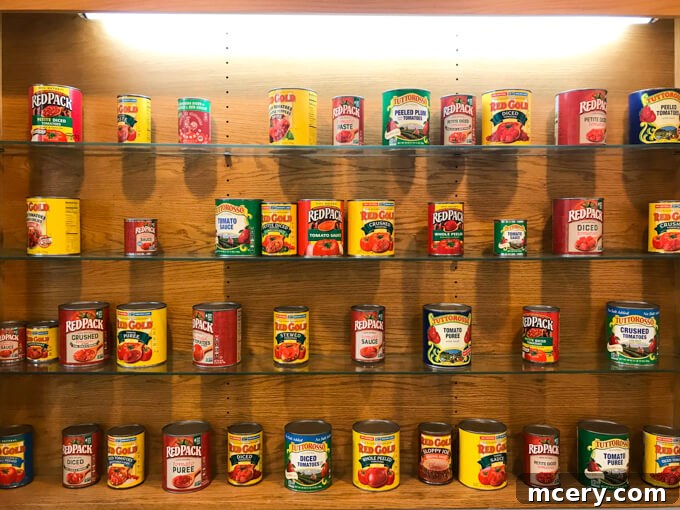
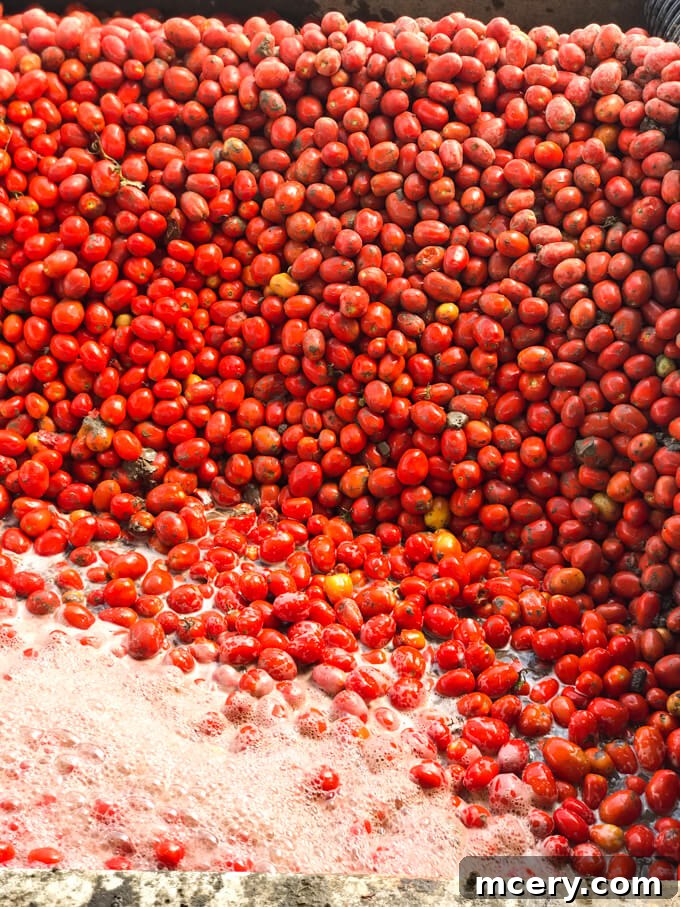
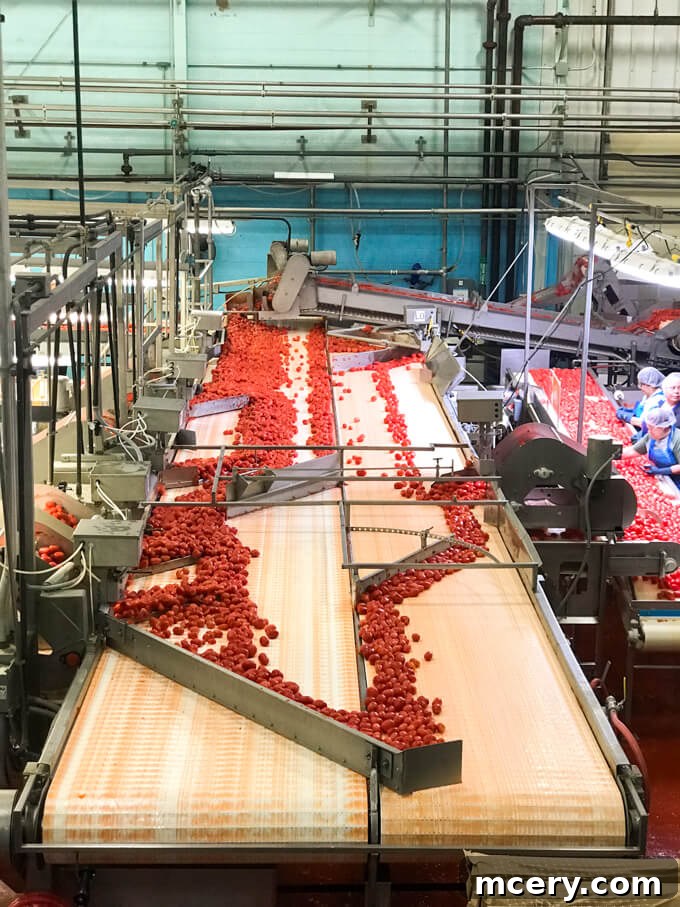
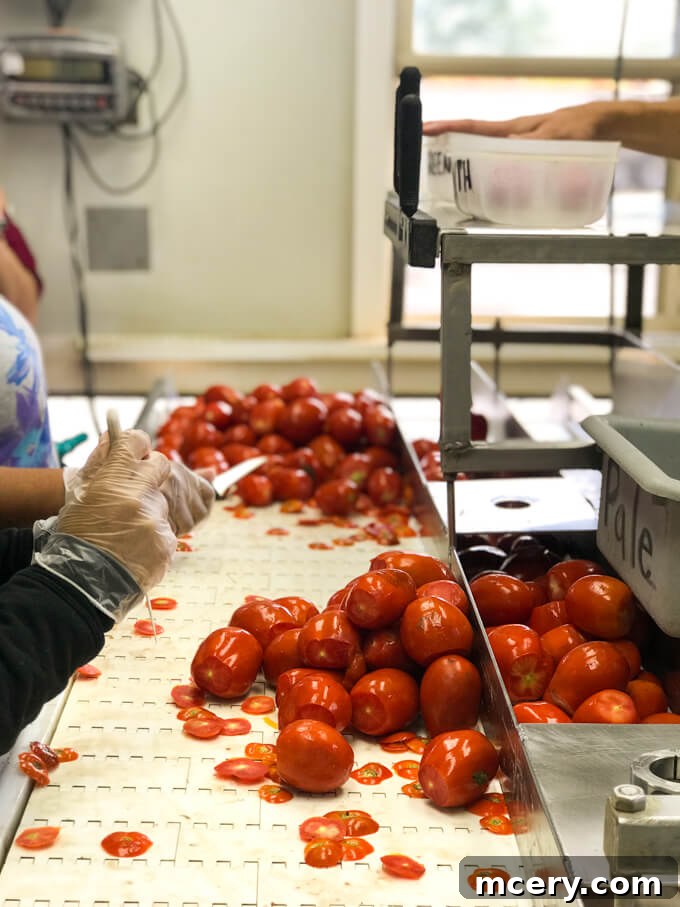
Following our enlightening farm visit, we transitioned to the Red Gold canning facility, an industrial marvel that epitomizes efficiency, precision, and rigorous quality control. The sheer scale of operations here was remarkable: a massive 22-ton truckload of pristine fresh tomatoes arrives and undergoes processing every six minutes. Crucially, all these tomatoes are sourced from within a tight 200-mile radius of the facility, a practice that significantly reduces transportation time and minimizes the carbon footprint, further underscoring their commitment to freshness and sustainability. Upon arrival at the plant, the tomatoes embark on a meticulous journey. First, they undergo multiple stages of washing to ensure absolute cleanliness. Next, they are individually inspected by trained personnel and precisely sorted by size and quality, ensuring that only the finest specimens proceed. The chosen tomatoes are then gently peeled using a steam process before being accurately placed into cans. These cans are immediately hermetically sealed, creating an airtight environment that is critical for preservation. Subsequently, they are sterilized at carefully controlled high temperatures, typically using steam, to eliminate any potential microorganisms and guarantee food safety and an extended shelf life without relying on artificial preservatives. As a final step, each can is precisely labeled and stamped with a unique date and time code, providing comprehensive traceability back to its exact origin field. Throughout this sophisticated and rapid process, the tomatoes are subjected to multiple, stringent inspections, ensuring unparalleled consistency, quality, and safety in every single can produced. The bulk of Red Gold’s tomato harvest and canning operations concentrates during an intensive 10-week period in the late summer, perfectly capturing the sun-ripened flavor of the tomatoes. A key takeaway was Red Gold’s exclusive use of steam for preserving their canned tomato products and their commitment to utilizing non-BPA lined cans, a vital consideration for consumer health and peace of mind.
Canned Foods: A Myth Debunked – The Truth About Preservatives
Perhaps the most significant misconception I, and countless others, harbored about canned vegetables was the firm belief that they were invariably packed with artificial preservatives to maintain their prolonged shelf life. This widely held notion, however, is largely unfounded, particularly when examining modern canning practices employed by reputable brands like Red Gold. Their descriptive phrase, “steam packed fresh,” is far more than just a marketing slogan; it’s an accurate portrayal of a highly effective and natural preservation method. The genius of modern canning lies not in chemical additives, but in the fundamental principles of food science: heat and an airtight seal. Once fresh food is placed into a can, the can is hermetically sealed, thereby creating an anaerobic, or oxygen-free, environment. This seal, in conjunction with a precise and brief high-temperature sterilization process (often utilizing steam), works synergistically to eliminate spoilage-causing bacteria and enzymes. It is this combination that locks in the food’s natural freshness and nutrients. Therefore, the contents of a can of plain tomatoes are simply tomatoes – often with just water, tomato juice, or a touch of salt added for flavor and texture, all clearly stated on the ingredient label. The absence of air within the sealed can prevents the growth of microorganisms, allowing the food to remain safe, delicious, and nutrient-rich for extended periods without the need for artificial preservatives. This revelation underscores the critical importance of actively reading food labels before making a purchase. By doing so, consumers can confidently verify the ingredients, ensuring their canned goods are free from any unwanted additives and truly align with their dietary preferences and health goals.
The Nutritional Powerhouse: Canned Foods Are Surprisingly Healthy
Another profound and often surprising discovery from my trip was the undeniable nutritional integrity of canned foods. Contrary to the widespread belief that canned produce is inferior to fresh, it often boasts an impressive nutrient profile. This is primarily because the canning process meticulously locks in nutrients at the absolute peak of ripeness. By harvesting produce at its prime and rapidly processing it, the amount of essential vitamins and minerals present in the food on the day it was canned remains remarkably consistent even a year, or often longer, from the canning date. This quick transition from field to can significantly minimizes nutrient degradation, which can unfortunately occur during the extended storage and transportation periods typically associated with fresh produce. What’s even more fascinating is that certain canned foods can, in specific nutritional aspects, outperform their fresh counterparts. Take, for instance, canned tomatoes. The heat involved in the canning process actually enhances the bioavailability of lycopene, a potent antioxidant. Lycopene is extensively studied for its powerful role in reducing the risk of various cancers, particularly prostate cancer, and supporting overall cardiovascular health. Furthermore, canned tomatoes often contain higher concentrations of certain B vitamins compared to fresh tomatoes, demonstrating a unique advantage in nutrient enhancement through processing. This phenomenon, where heat treatment can amplify the nutritional benefits of certain compounds, is a fascinating aspect of food science that often goes unrecognized. It directly challenges the common assumption that fresh is always nutritionally superior, highlighting the distinct benefits of properly canned produce. Beyond tomatoes, other staples like canned beans provide an excellent source of plant-based protein and dietary fiber, crucial for digestive health, while canned fish, such as tuna or salmon, offers essential omega-3 fatty acids vital for brain and heart health. These examples underscore how canned foods can be invaluable components of a balanced, accessible, and highly nutritious diet.
Dispelling the Myth: Canned Foods Can Taste Absolutely Delicious!
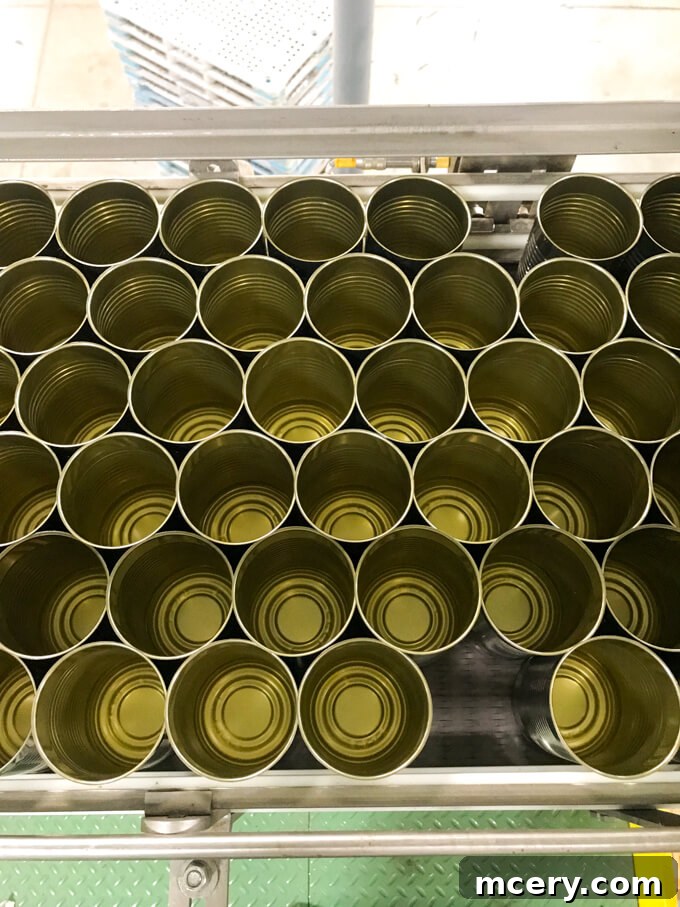
One of the most enduring and pervasive myths surrounding canned foods is that they possess an inherent “canned” or metallic taste, or simply lack the vibrancy of fresh produce. Before embarking on this enlightening farm and facility tour, I must admit I largely underestimated the critical significance of the can liner. However, it became abundantly clear that this component is not just important, but absolutely integral to the overall quality, taste, and safety of the final canned product. Modern can liners are engineered with sophisticated materials specifically designed to achieve several crucial functions. They meticulously maintain the structural integrity of the can itself, preventing any direct contact or metallic interaction between the food and the metal packaging. More importantly, these liners act as a robust protective barrier, effectively safeguarding the food from potential contamination and ensuring the highest standards of safety against foodborne pathogens. This advanced lining technology is a primary reason why the unpleasant “canned taste” that might have been associated with older canning methods is now largely a relic of the past.
Brands like Red Gold are at the vanguard of this technological advancement, employing state-of-the-art non-BPA can liners across all their products. When this superior lining is combined with their precise steam cooking method, the result is a product that flawlessly preserves the delicious, authentic, vine-ripened flavor of their tomatoes, which are, as previously noted, picked at the pinnacle of freshness. The remarkable speed of modern canning operations also plays an indispensable role in safeguarding taste and texture. Did you know that, on average, most canned food transitions from the field to the sealed can in an astonishingly short period – often just 4.5 hours? This incredibly rapid turnaround minimizes the window during which fruits and vegetables might lose their delicate flavors, desirable textures, or valuable nutrients. Because the specialized can lining effectively isolates the food from any metallic influence and actively helps to lock in the natural, vibrant flavors, consumers truly experience no undesirable “taste of a can” in modern canned foods. Instead, what you savor is the genuine, robust taste of produce that was expertly captured at its absolute best, offering a consistently flavorful, convenient, and reliable option for enriching any meal.
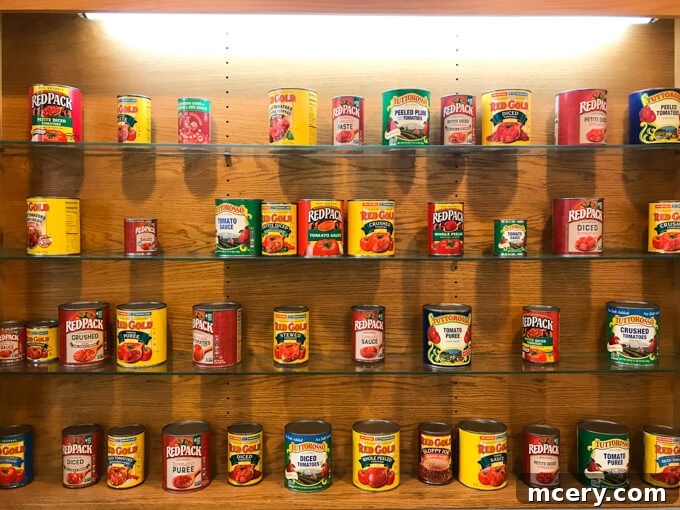
Understanding “Best By” Dates: Canned Foods Remain Good for Longer Than You Think
For a significant portion of my life, much like many consumers, I firmly believed that canned goods essentially “expired” and became unsafe to eat shortly after the “best by” or “use by” date printed on their labels. This widespread misconception often leads to unnecessary food waste in households across the globe. However, one of the most impactful and practical insights I gained during the Refreshingly Real challenge was a crystal-clear understanding that these dates have absolutely no bearing on food safety. Rather, “best by” or “use by” dates are merely indicators of food quality. They are suggestions from the manufacturer regarding when a product might begin to experience a slight decline in its peak taste or optimal texture, but not when it suddenly becomes unsafe to consume. In fact, properly stored canned goods – kept in a cool, dark, and dry place – can remain perfectly safe, palatable, and nutritious for several years beyond these printed dates. This incredible longevity is a direct testament to the efficacy of the canning process itself, which creates a sterile, oxygen-free environment that prevents spoilage. Furthermore, the dedication to quality assurance and transparency among leading brands is truly commendable. Red Gold, for instance, operates with an impressive and robust traceability system. They possess the capability to meticulously trace every single can of tomatoes back to the precise field where the tomatoes were cultivated, based on the specific date and time of production that is stamped onto each can. This remarkable level of granular detail and accountability is incredibly reassuring for consumers and speaks volumes about their unwavering commitment to product quality, safety, and fostering consumer confidence. It’s a pretty cool feature that genuinely adds an extra layer of trust and transparency to their products.
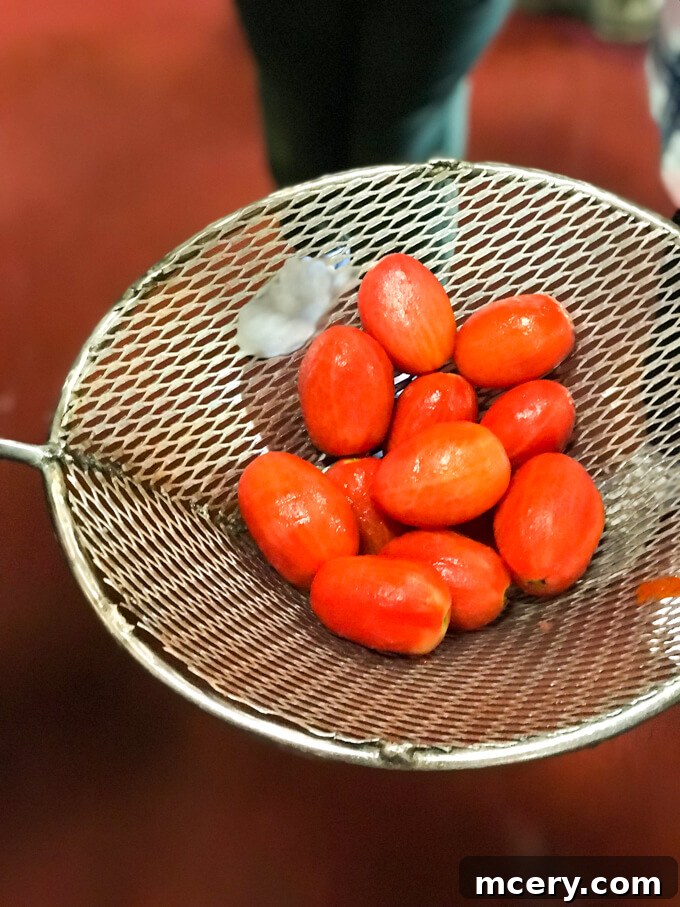
In conclusion, my journey with Refreshingly Real unequivocally confirmed that modern canned foods are an invaluable and often underestimated component of a balanced diet. They are not merely convenient, but are demonstrably equally nutritious, frequently surpassing fresh produce in certain nutrient profiles due to optimal harvesting and rapid processing. Far from being an inferior choice, canned goods offer a remarkably accessible and dependable source of fruits and vegetables throughout the entire year. They are inherently safe, incredibly shelf-stable, and provide an excellent, practical solution for everyday meal planning, particularly during busy weeks, and for essential emergency preparedness. Beyond their direct benefits to individual health and convenience, their environmental credentials are also highly noteworthy. Steel food cans, the primary packaging for many canned goods, are 100% recyclable, making them a highly sustainable packaging choice that actively contributes to reducing landfill waste and conserving precious natural resources. As with any food product, making informed choices is paramount. Simply taking the time to read the labels of canned goods is an effective and straightforward way to ensure that the ingredients align perfectly with your dietary preferences, confirming they are clean and free from any undesirable additives. Embrace the unparalleled convenience, robust nutrition, and undeniable sustainability that modern canned foods graciously offer, and rediscover their immense potential to simplify, enrich, and enhance your culinary life, all while supporting a more sustainable food system.
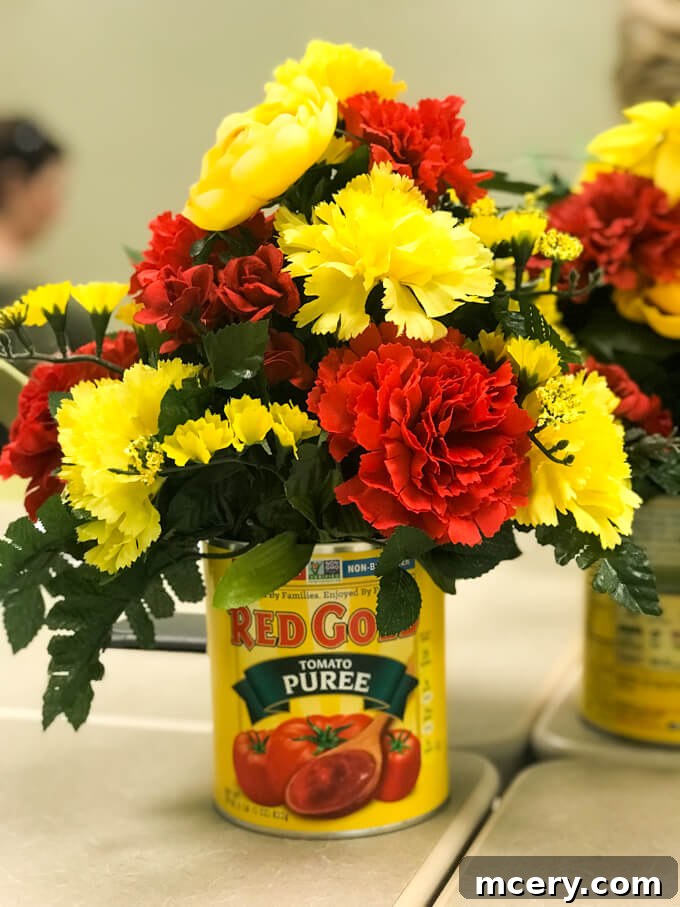
Incorporating canned goods into my daily cooking routine has become an absolute staple, thanks to their unparalleled versatility and readiness. Some of my absolute go-to canned pantry essentials include a wide variety of tomatoes – whether crushed, diced, or pureed – alongside different types of beans (black, kidney, cannellini), savory tuna, briny olives, mild diced green chiles, creamy pumpkin puree, sweet corn, and tender artichoke hearts. These convenient and shelf-stable ingredients form the robust foundation for countless quick, nutritious, and incredibly flavorful meals. My personal favorite way to utilize these invaluable components is undoubtedly in a comforting and hearty chili recipe, perfect for satisfying weeknight dinners, meal prepping for the week ahead, or cozy gatherings with family and friends. We frequently delight in preparing flavorful dishes such as the rich and satisfying Easy Creamy Chicken Chili, the wholesome and hearty Black Bean and Sweet Potato Chili, and the robust Lentil and Butternut Squash Chili. These recipes not only brilliantly highlight the fantastic taste and appealing texture of quality canned ingredients but also eloquently demonstrate how effortlessly they contribute to creating well-balanced, satisfying, and deeply delicious meals, proving that convenience doesn’t have to compromise on quality or flavor.
Sources: Can Manufacturers Institute