
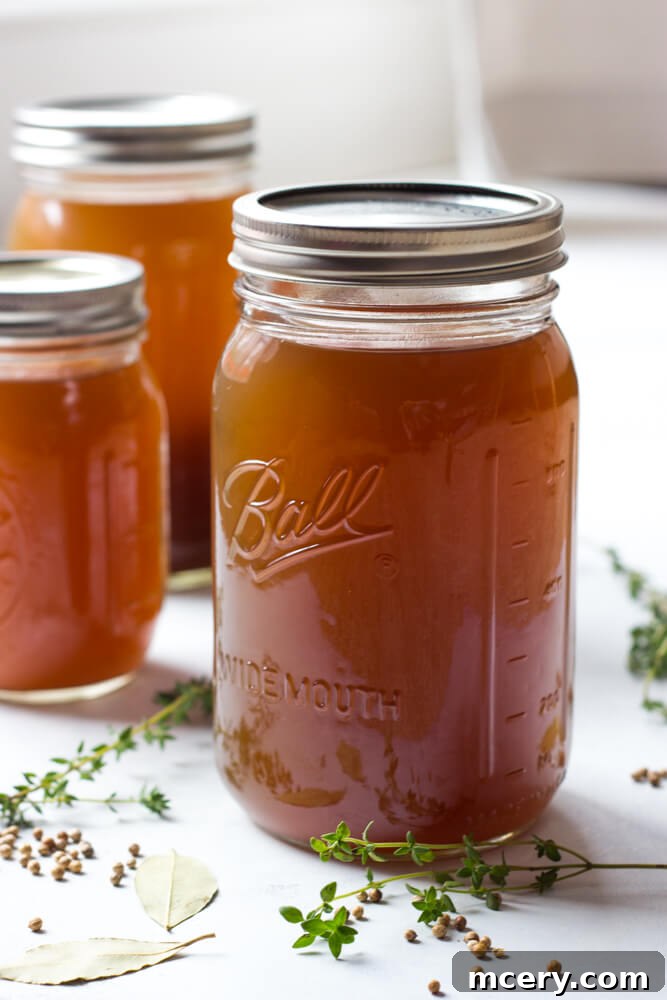
Unlock a world of flavor and sustainability right in your kitchen by learning how to make your own rich, aromatic vegetable broth from everyday kitchen scraps. This guide will show you how to transform discarded vegetable peelings, ends, and trimmings into a versatile homemade broth that rivals store-bought versions, all while minimizing food waste and saving money. Imagine having a ready supply of this liquid gold for your favorite recipes, from hearty Lentil and Butternut Squash Chili to a refreshing Summer Vegetable Chili, or any soup, stew, or grain dish you desire.
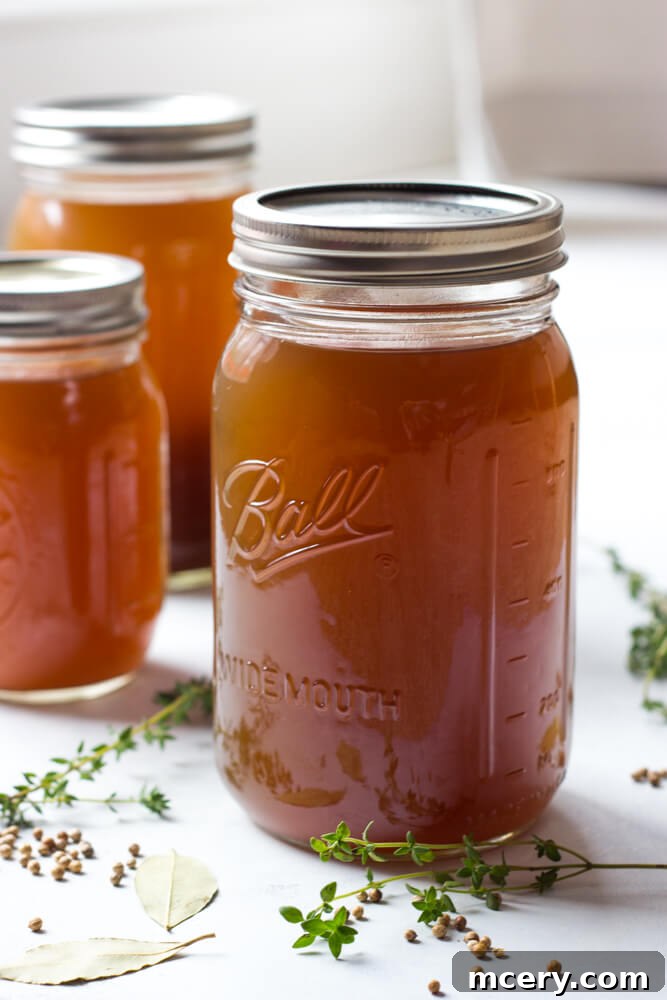
The Ultimate Guide: How to Make Vegetable Broth from Scraps
Embarking on the journey of making homemade vegetable broth from kitchen scraps is not just a culinary adventure; it’s a step towards a more sustainable and flavorful lifestyle. What started as a simple idea in our household quickly became an essential practice. Now, instead of tossing valuable vegetable remnants into the compost or trash, we meticulously save them, knowing that each piece contributes to a nourishing, homemade broth. This practice significantly reduces our food waste and ensures we always have a healthy, additive-free broth ready for countless recipes.
Why Make Your Own Vegetable Broth? Beyond Just Scraps
The benefits of crafting your own vegetable broth extend far beyond just using kitchen scraps. While waste reduction is a huge plus, homemade broth offers unparalleled advantages:
- Superior Flavor: Store-bought broths often taste bland or overly salty. Homemade broth boasts a depth and freshness that can elevate any dish. You control the ingredients, allowing you to tailor the flavor profile to your preference.
- Cost-Effective: You’re essentially turning “waste” into a valuable ingredient. This practice saves money that would otherwise be spent on pre-packaged broths.
- Reduced Waste & Eco-Friendly: This is the cornerstone of scrap broth. By repurposing vegetable trimmings, you contribute to a zero-waste kitchen, lessening your environmental footprint. It’s a small change with a big impact on sustainability.
- No Artificial Additives or Preservatives: Commercial broths can contain high levels of sodium, artificial flavors, and preservatives. Your homemade version is pure, natural, and free from any unwanted chemicals. You know exactly what goes into it.
- Healthier Choice: With fresh vegetables and no added nasties, homemade broth is a healthy base for various meals, offering vitamins, minerals, and hydration.
- Customizable: Want an Italian-inspired broth? Add more basil and oregano. Craving something earthy? Focus on mushroom stems. The possibilities are endless, allowing you to create unique flavor bases for your cooking.
What is Vegetable Broth? A Culinary Staple
At its heart, vegetable broth is a flavorful liquid crafted by simmering a medley of vegetables, herbs, and spices in water. It serves as a foundational element in countless culinary traditions, providing a rich, savory base that enhances the taste and texture of soups, stews, sauces, risottos, and grain dishes like quinoa or couscous. Unlike meat-based stocks, vegetable broth offers a lighter, plant-forward alternative, making it ideal for vegetarian, vegan, and flexitarian diets. It’s the secret ingredient that adds a layer of complexity and aroma without overpowering the main components of your meal, making it an indispensable asset in any home kitchen.
Selecting the Best Vegetables for Your Scrap Broth
The quality of your homemade vegetable broth largely depends on the scraps you choose. Before collecting, always ensure all vegetables are thoroughly washed. You’ll be saving the peelings, stalks, and leaves, so cleanliness is key. For the most balanced and aromatic broth, focus on these core ingredients:
- Onions: Both the skins and ends of yellow or white onions provide deep, sweet, and savory notes, contributing significantly to the broth’s base flavor and color.
- Carrots: Peelings and ends of carrots add natural sweetness and a beautiful golden hue to your broth. They are essential for a classic flavor profile.
- Celery: The leafy tops, tough outer stalks, and ends of celery impart a fresh, earthy aroma, crucial for a well-rounded broth.
- Garlic: Unpeeled cloves, skins, and ends of garlic add pungency and depth.
Beyond these foundational elements, a variety of other vegetable scraps can enhance the flavor profile:
- Bell Peppers: The cores, seeds, and even colorful strips can add a subtle sweetness and fruity undertone.
- Leeks & Green Onions: The green tops and root ends contribute a delicate, oniony sweetness.
- Mushrooms: Stems and any bruised or less-than-perfect caps offer a rich, umami depth that elevates the broth to another level. Consider using dried mushroom stems for an even more intense flavor.
- Parsnips, Celeriac, Fennel: These root vegetables and aromatic bulbs provide unique sweet and savory notes.
- Fresh Herbs: Don’t forget the power of fresh herbs! Stems from parsley, cilantro, thyme, and rosemary are perfect additions, infusing your broth with fragrant complexity.
The beauty of making broth from scraps lies in experimentation. Over time, you’ll discover your favorite combinations that yield the most satisfying results.
What to Avoid in Your Vegetable Broth for Optimal Flavor
Just as important as knowing what to include is understanding what to leave out. Certain vegetables can impart undesirable flavors or textures to your broth:
- Cruciferous Vegetables: Steer clear of scraps from cabbage, broccoli, cauliflower, and Brussels sprouts. When simmered for extended periods, these vegetables can release sulfurous compounds, leading to a bitter or overly pungent taste in your broth.
- Zucchini and Green Beans: While delicious on their own, these vegetables can also become bitter when cooked for too long in a broth.
- Starchy Vegetables: Potatoes and turnips, while adding flavor, contain starches that can make your broth cloudy and less appealing visually. If you desire a clear broth, it’s best to omit these.
- Beets: The vibrant color of beets is beautiful in many dishes, but it will overpower your broth, turning it a deep red and imparting a strong earthy flavor that might not be suitable for all recipes.
- Moldy or Spoiled Scraps: This is a non-negotiable rule. Always ensure your scraps are fresh and free from any mold or signs of spoilage. A single bad piece can ruin an entire batch of broth, so when in doubt, throw it out.
Always wash your vegetables thoroughly before peeling or chopping, even if you’re only using the scraps, to remove any dirt or residues.
Collecting and Storing Your Kitchen Scraps
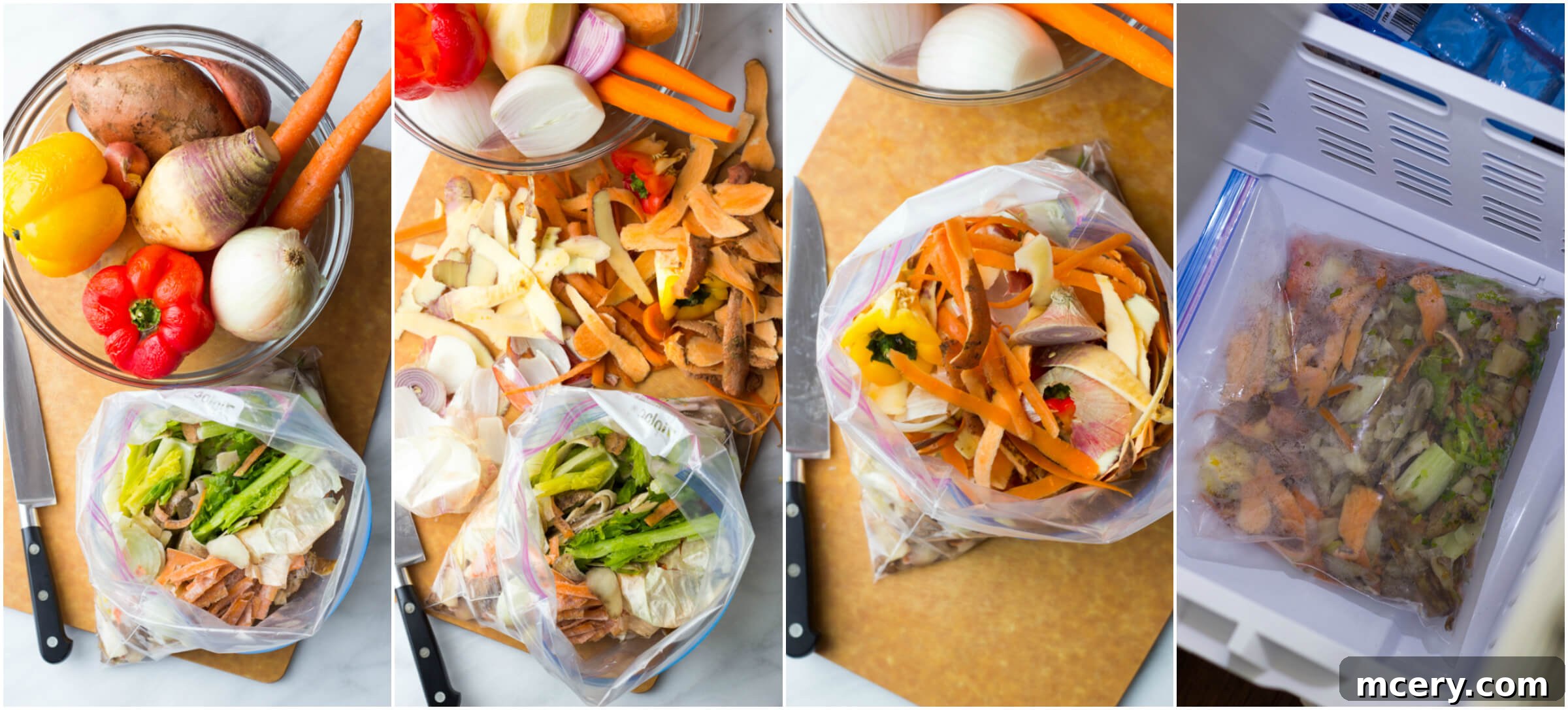
The beauty of making vegetable broth from scraps begins with efficient collection and storage. As you prepare meals, simply toss suitable vegetable trimmings into a designated container. A gallon-sized freezer-safe zip-top bag works perfectly for this purpose. Keep adding to the bag until it’s completely full, ensuring you press out as much air as possible before sealing to prevent freezer burn and maintain freshness. This method allows you to accumulate a substantial amount of flavorful scraps over time without them spoiling, making the broth-making process incredibly convenient and low-effort.
What You’ll Need for This Aromatic Vegetable Broth Recipe
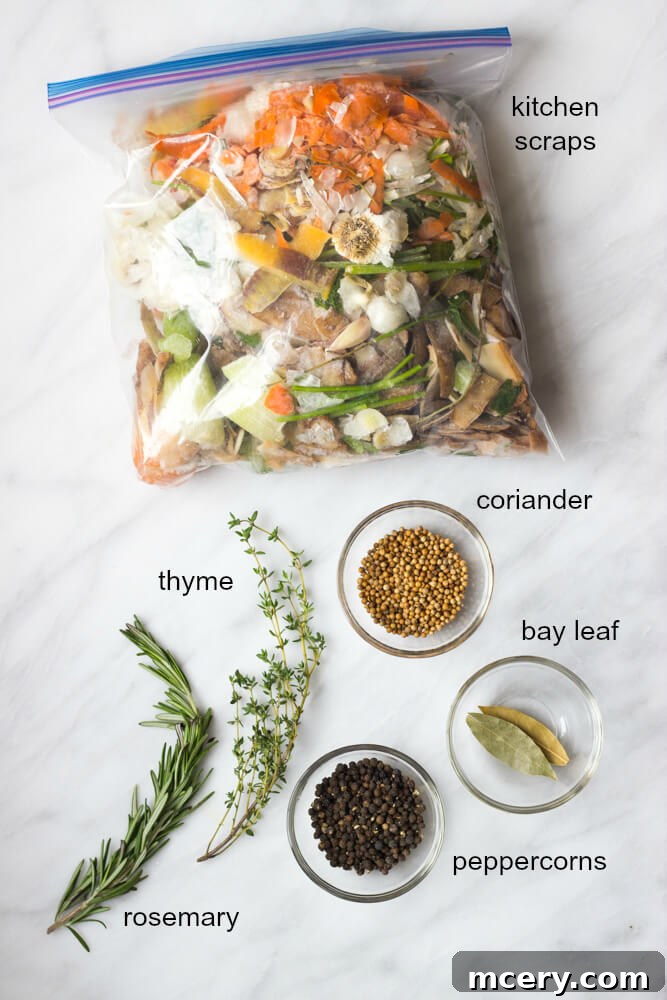
Once you’ve amassed a plentiful bag of frozen veggie scraps, you’re ready to transform them into liquid gold. The core ingredients for an incredibly flavorful broth are simple yet powerful. You’ll need:
- A gallon-size bagful of frozen vegetable scraps, packed densely for maximum flavor extraction.
- A generous amount of water, ideally filtered, to cover your scraps and extract their essence.
- Aromatic whole spices such as coriander seeds, whole black peppercorns, and bay leaves, which add a subtle warmth and complexity.
- Fresh herbs like rosemary and thyme sprigs, which infuse the broth with herbaceous notes.
Depending on the variety of scraps you’ve collected, you might also consider adding fresh aromatics if your frozen bag lacks them. For instance, if you’re short on celery or carrot scraps, don’t hesitate to add a fresh stalk or a whole carrot. Similarly, extra fresh garlic cloves or onion halves can significantly boost the overall depth of flavor.
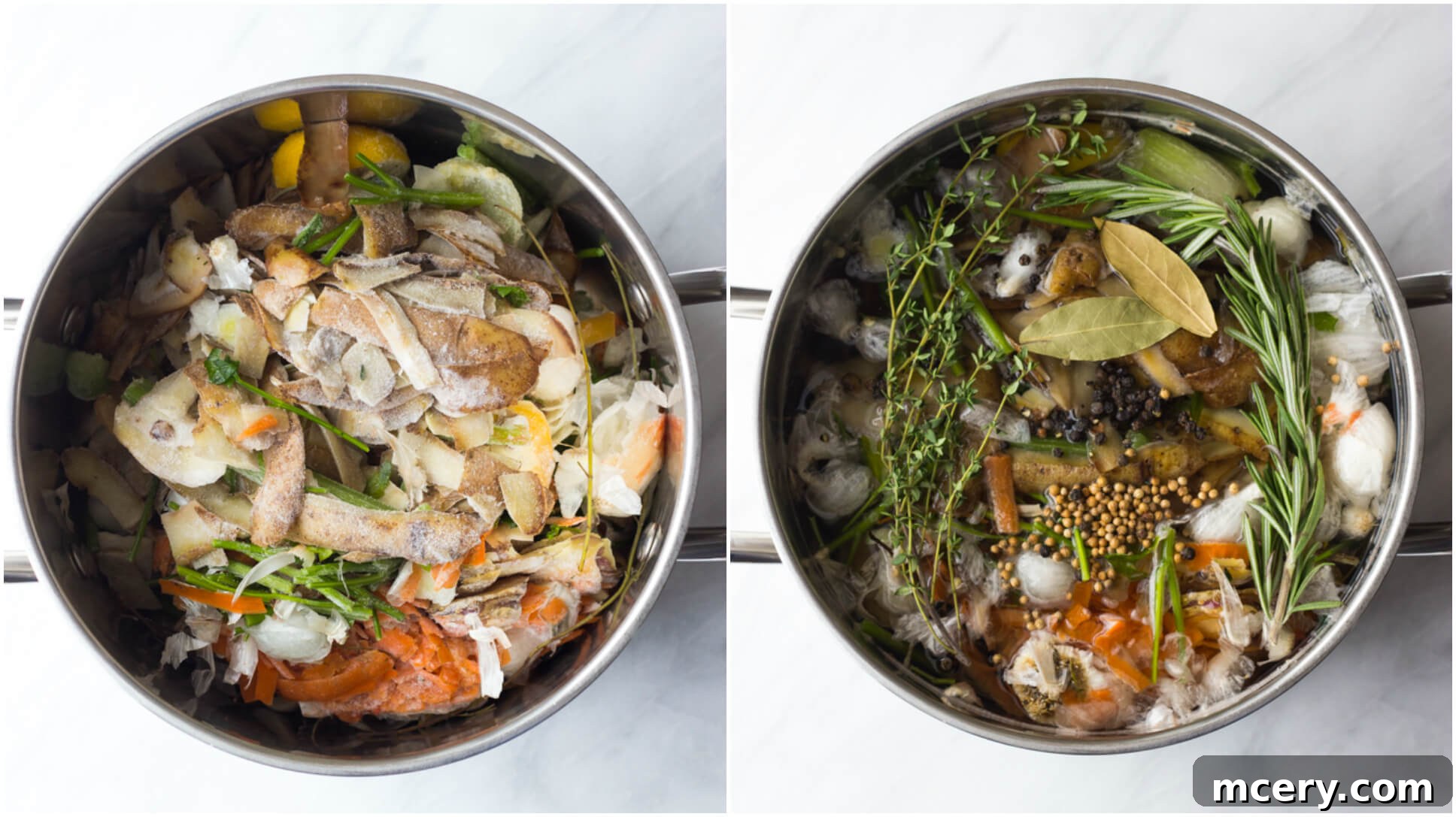
Step-by-Step: How to Make the Best Vegetable Broth
- Combine Ingredients: Begin by transferring your tightly packed gallon-sized bag of frozen veggie scraps into a large stock pot. A 6-quart pot is usually the minimum size needed to accommodate the volume of scraps and water. Add enough cold water to cover all the vegetables comfortably, ensuring there’s room to stir. Then, introduce your chosen aromatics: coriander seeds, whole peppercorns, bay leaves, and sprigs of fresh rosemary and thyme.
- Simmer to Perfection: Cover the pot and bring the mixture to a rolling boil over high heat. Once boiling, immediately reduce the heat to the lowest setting, allowing the broth to maintain a bare, gentle simmer. Remove the lid and let it cook for a full hour. This slow, uncovered simmer allows the flavors to meld and concentrate beautifully, while also allowing some water to evaporate, intensifying the broth. Stir occasionally to ensure all ingredients are evenly submerged and contributing their essence.
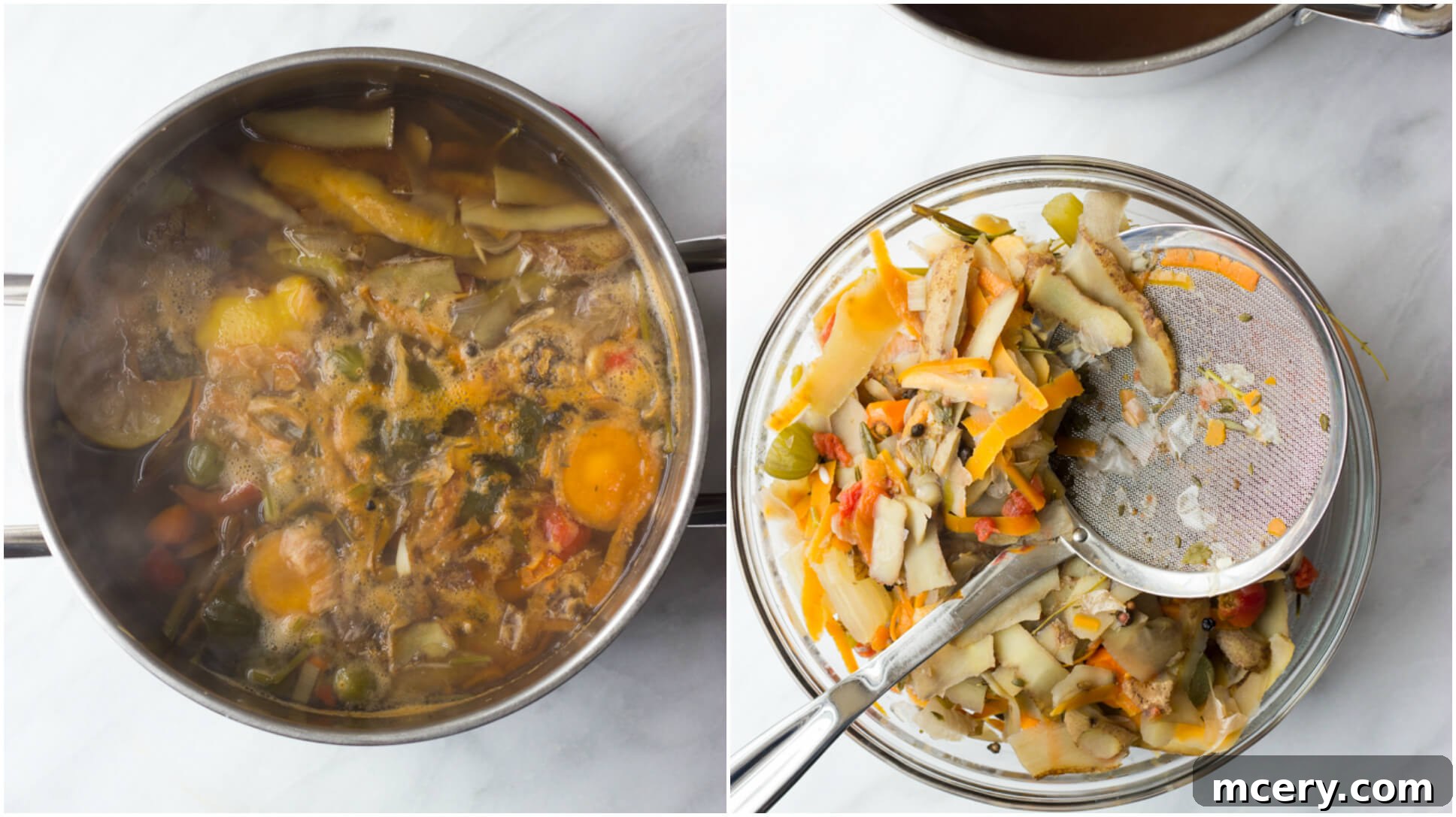 3. Remove Solids: After one hour of simmering, carefully remove the pot from the heat. Allow it to cool slightly, making it easier and safer to handle. Using a slotted spoon or a skimmer, carefully scoop out and discard all the cooked vegetable solids. At this stage, their flavor has been fully extracted, and you are left with just the fragrant liquid.
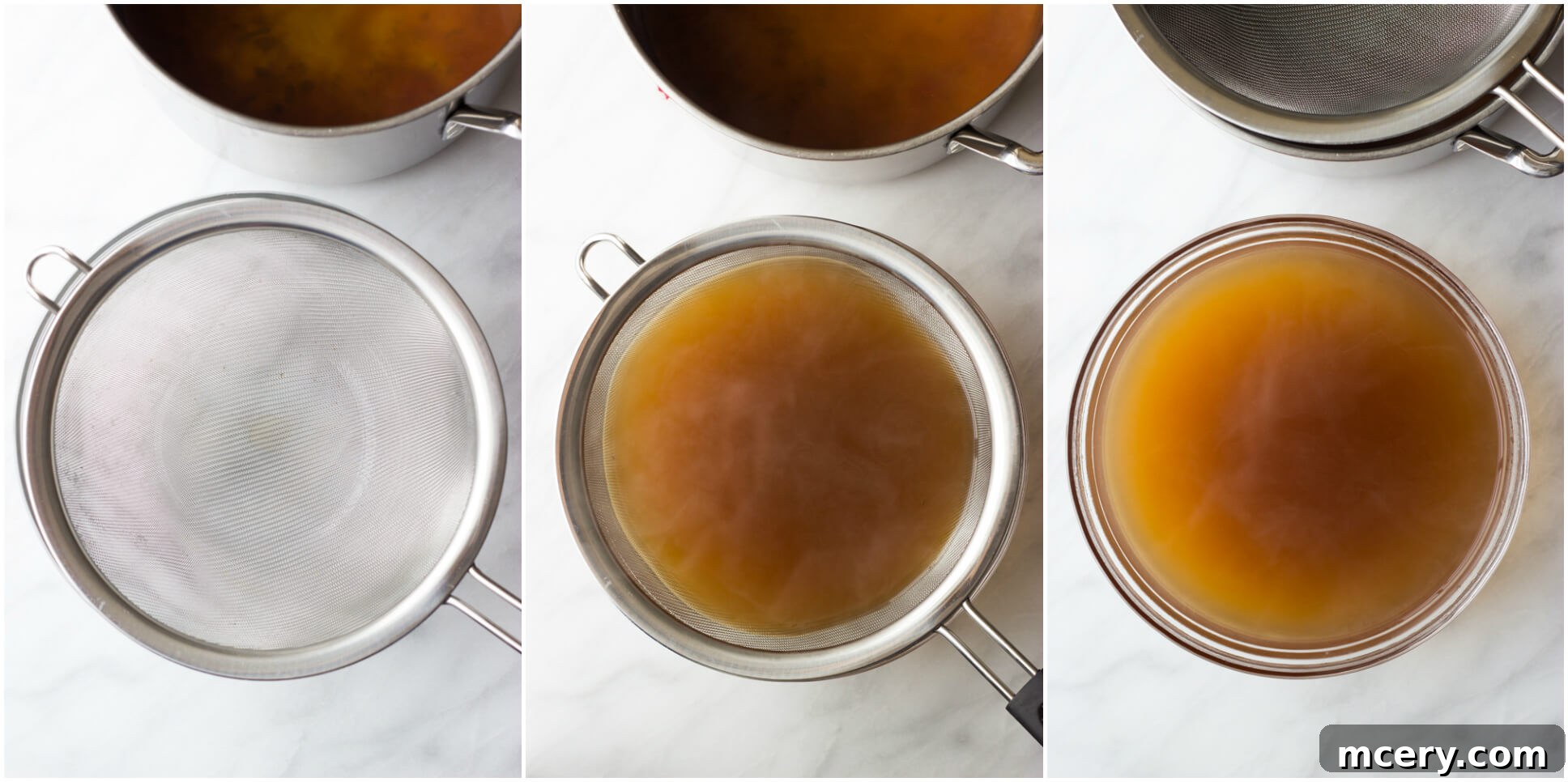 4. Strain for Clarity: For a perfectly clear and clean broth, place a fine-mesh strainer over a large, heatproof bowl. Slowly pour the broth through the strainer. For an even more pristine result, line your strainer with a piece of cheesecloth before pouring; this will catch any remaining fine particles, ensuring your broth is crystal clear and free of impurities. You want nothing but pure, unadulterated liquid remaining.
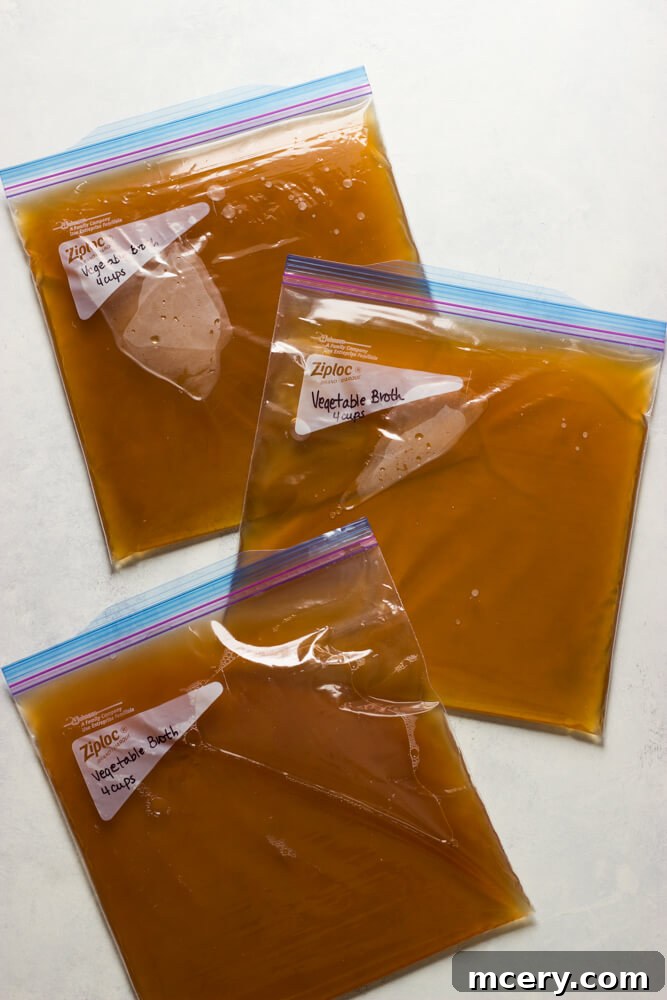
Storing Your Homemade Vegetable Stock for Future Use
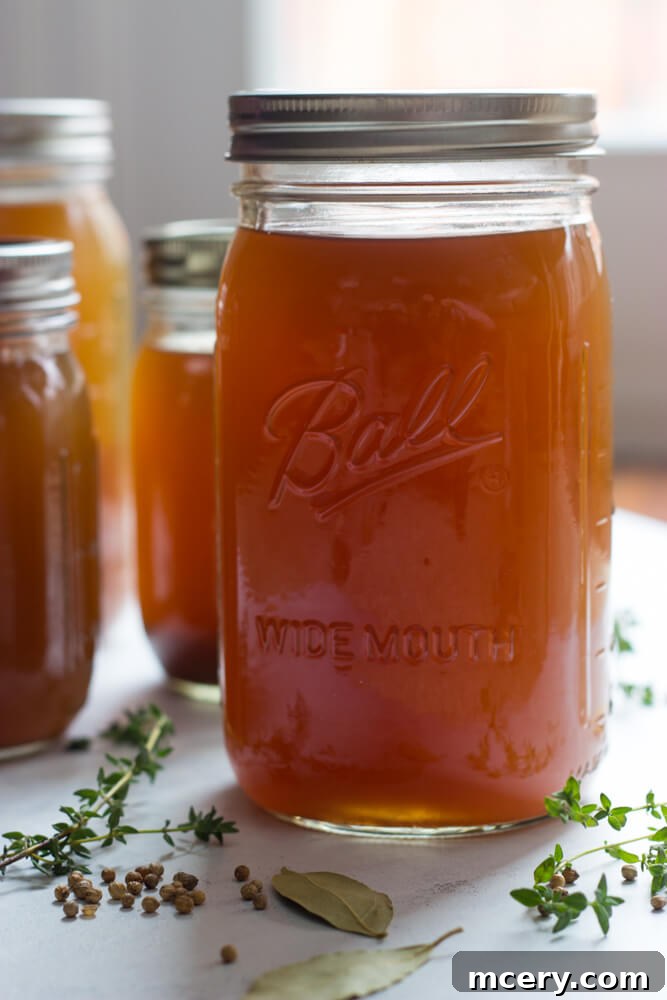
Proper storage is key to enjoying your homemade vegetable broth for weeks or months to come. First and foremost, allow the broth to cool completely to room temperature before transferring it to storage containers. This prevents condensation and the growth of bacteria, ensuring your broth remains fresh and safe.
You have a couple of excellent options for storage:
- Airtight Containers: Glass jars or plastic food storage containers are ideal for refrigerator storage. They are reusable and provide a good seal.
- Freezer Bags: My personal preference for long-term storage is freezer-safe zip-top bags. I typically measure out 4-cup portions into each bag, lay them flat on a baking sheet in the freezer until solid, then stack them. This method not only saves space but also allows the broth to thaw much more quickly than when frozen in solid blocks in containers.
Refrigerate fresh broth for up to 1 week. For longer preservation, freeze it for up to 3 months. Always label your containers or bags with the date to keep track of freshness.
4 Ways to Use This Homemade Vegetable Broth (and More!)
Once you have a batch of delicious homemade vegetable broth, the culinary possibilities are endless. It’s a foundational ingredient that can elevate almost any dish. Here are a few ways to put your liquid gold to good use:
- Pasta Primavera with Roasted Vegetables: Use it as the liquid base for a light sauce, adding depth to your pasta and veggies.
- Broccoli Cheddar Soup: The rich flavor of homemade broth forms the perfect foundation for creamy, comforting soups.
- Veggie Marsala: Incorporate it into savory sauces for a vegetarian twist on classic dishes.
- Lentil Chili: Enhance the body and flavor of hearty chilis and stews, making them more satisfying.
Beyond these specific recipes, consider using your homemade broth for:
- Cooking grains like rice, quinoa, couscous, or farro for added flavor instead of plain water.
- Braising vegetables or tofu, infusing them with savory notes.
- Creating flavorful gravies and pan sauces.
- Steaming vegetables for a delicate boost of taste.
- Making quick and easy ramen or noodle bowls.
A Note on Sustainability and Zero-Waste Cooking
Making vegetable broth from scraps is more than just a recipe; it’s a philosophy. It embodies the principles of sustainability and zero-waste cooking, transforming what would typically be discarded into a valuable culinary resource. By embracing this practice, you’re not only creating a delicious and healthy ingredient but also contributing to a more mindful and eco-conscious kitchen. It’s a simple yet powerful way to respect our resources and enhance our daily meals.
If you embark on this rewarding journey of making Vegetable Broth with scraps, don’t forget to leave feedback and a rating. Your experience inspires others!
Veggie Broth
Rating: 4.9 from 13 reviews
- Author: Katya
- Prep Time: 30 mins
- Cook Time: 1 hour
- Total Time: 1 hour 30 mins
- Yield: 8–9 cups
- Category: Soup
- Method: Simmer
- Cuisine: American
Description
Making homemade vegetable broth has never been easier! Now you can make your own vegetable broth using kitchen scraps. There’s little waste and you always have fresh broth on hand.
Ingredients
- 1 gallon bag of frozen veggie scraps, completely full
- 13–15 cups water
- 1 tsp. coriander seeds
- 1 tsp. whole peppercorns
- 2 bay leafs
- 1–2 sprigs each: fresh thyme, rosemary
- Optional extras: garlic, onions, parsley
Equipment
- Stock pot
- Slotted spoon or skimmer
- Strainer
- Storage containers
Instructions
- Add frozen vegetable scraps to a 6-quart stock pot. Add water and the remaining ingredients. You should have enough water in the pot where you can easily stir the vegetables.
- Cover and bring to a boil. Reduce heat to a bare simmer, and cook, uncovered, for 1 hour, stirring occasionally.
- Take the pot off the stove and remove all the vegetables with a slotted spoon or a skimmer.
- Set your strainer over a large bowl and pour the broth through. Broth should be clean and clear without any impurities. You can also run the broth through a cheesecloth.
- Cool completely at room temperature and then divide into storage containers or gallon size freezer bags. Store in the refrigerator for up to one week or freeze for up to 3 months.
Notes
- See recipe post for a list of vegetables that make the best veggie scrap broth and also vegetables that should be avoided.
Nutrition
- Serving Size: 1 cup
- Calories: 54
- Sugar: 3.1 g
- Sodium: 28.8 mg
- Fat: 0.2 g
- Carbohydrates: 12.5 g
- Protein: 1.4 g
- Cholesterol: 0 mg
This post may contain affiliate links.
Recipe updated February 2020 with rewritten post and additional information. No change to the recipe.